

Introduction to the Pneumatic Conveying of Desulfurization and Denitrification Agents, and the Worki
Efficient and reliable material handling is crucial in industrial processes, particularly when dealing with desulfurization and denitrification agents used in environmental protection applications. Pneumatic conveying systems have emerged as a sophisticated solution for transporting these agents, offering advantages such as minimal contamination, high throughput, and operational flexibility. This article provides an overview of pneumatic conveying systems, focusing on their application in the transport of desulfurization and denitrification agents, and explains the fundamental principles behind their operation.
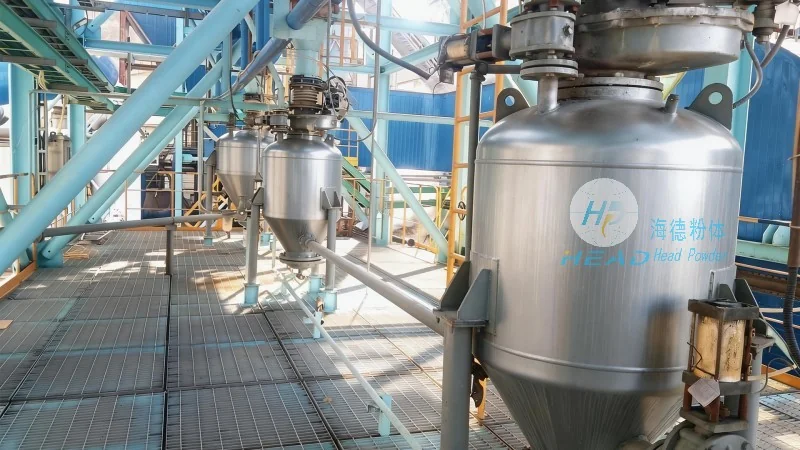
Understanding Pneumatic Conveying Systems
Pneumatic conveying systems utilize air or other gases to transport bulk materials, including powders and granules, through a network of pipes. These systems are widely used in various industries, from chemical processing to food production, due to their ability to handle delicate materials without damage and to maintain a clean, controlled environment. In the context of desulfurization and denitrification agents, which are often fine powders or liquids that require precise handling, pneumatic conveying offers a superior method compared to traditional methods like belt conveyors or bucket elevators.
The Working Principle of Pneumatic Conveying
The core of a pneumatic conveying system lies in its ability to generate airflow that propels the material through the system. There are two primary types of pneumatic conveying: positive pressure and negative pressure systems. Positive pressure systems operate by blowing air into the conveying line, creating a pressure higher than the ambient air, which forces the material to move. Negative pressure systems, on the other hand, create a vacuum in the line, drawing the material in from the source. For desulfurization and denitrification agents, positive pressure systems are often preferred as they provide better control over the material flow and can handle more abrasive or corrosive materials.
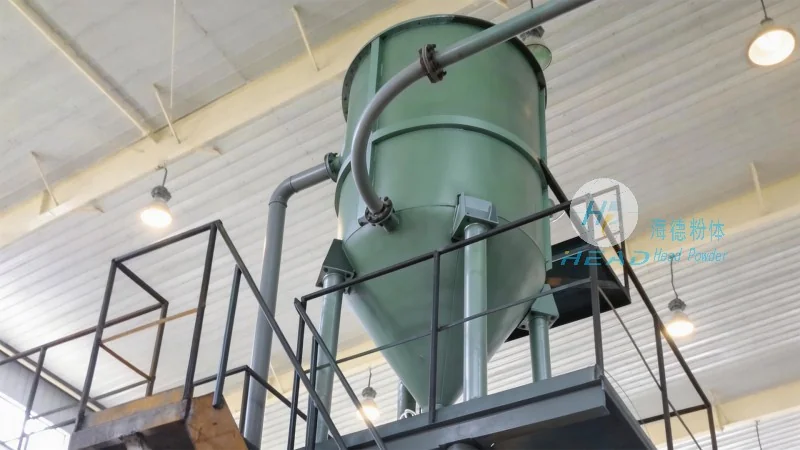
Key components of a pneumatic conveying system include the material feed hopper, the conveying line (typically made of stainless steel or other corrosion-resistant materials), the air compressor or vacuum pump, and the discharge device. The feed hopper ensures a consistent supply of material, while the conveying line transports it to the destination. The air compressor generates the necessary pressure or vacuum, and the discharge device, such as a rotary valve or a cyclone separator, collects the material at the end of the line. In systems handling desulfurization and denitrification agents, these components are often designed with special features to prevent material buildup and to ensure thorough cleaning, as these agents can be reactive or have specific handling requirements.
Advantages of Pneumatic Conveying for Desulfurization and Denitrification Agents
When transporting desulfurization and denitrification agents, pneumatic conveying systems offer several key advantages. First, they minimize the risk of material contamination, which is critical for agents used in environmental applications where purity is essential. The enclosed system prevents exposure to external contaminants, such as dust or moisture, which could alter the agent's effectiveness. Second, pneumatic conveying systems can achieve high throughput rates, allowing for efficient processing in industrial plants. This is particularly important in power generation facilities where large quantities of desulfurization agents are required to treat flue gas. Third, the systems are highly flexible, allowing for changes in the material flow path or destination without significant modifications to the infrastructure. This adaptability is valuable in dynamic industrial environments where production needs may change.
Application in Industrial Settings
Pneumatic conveying systems are commonly employed in power plants, chemical manufacturing facilities, and other industrial sites where desulfurization and denitrification agents are used to reduce emissions. For example, in a coal-fired power plant, the desulfurization agent (often limestone or a similar calcium-based compound) is transported via a pneumatic system from storage silos to the scrubber unit. The system ensures that the agent is delivered in a controlled manner, maintaining the optimal concentration for effective sulfur removal. Similarly, denitrification agents, such as ammonia or urea, are conveyed to the selective catalytic reduction (SCR) system to reduce nitrogen oxide emissions. The reliability of pneumatic conveying in these applications is vital, as any disruption in the supply of these agents can lead to increased emissions and operational inefficiencies.
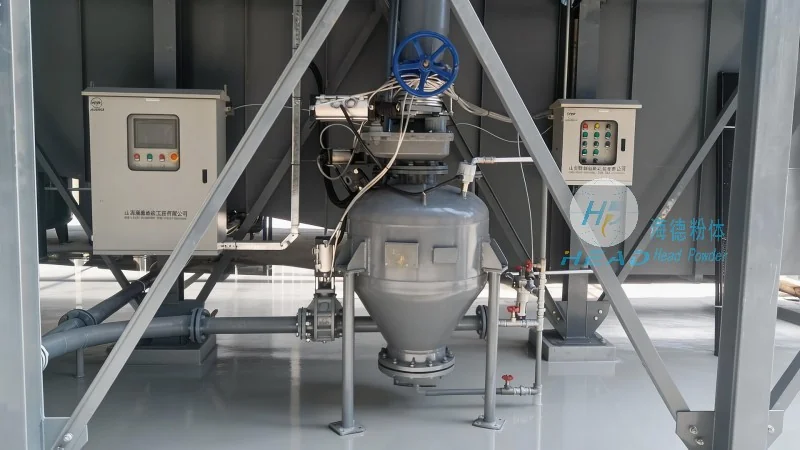
Company Profile: Shandong HeadPowder Engineering Co., Ltd.
HeadPowder, or Shandong HeadPowder Engineering Co., Ltd., is a leading provider of advanced material handling solutions, including pneumatic conveying systems tailored for the transportation of desulfurization and denitrification agents. With operations based in Shandong, China, the company specializes in designing, manufacturing, and installing customized conveying systems that meet the specific needs of industrial clients. HeadPowder's expertise lies in understanding the unique challenges of handling reactive and fine powders, ensuring that their systems are robust, efficient, and compliant with industry standards. The company's commitment to quality and innovation has made it a trusted partner for businesses seeking reliable solutions for their material transport needs.
Conclusion
Pneumatic conveying systems represent a sophisticated and effective method for transporting desulfurization and denitrification agents, offering numerous benefits over traditional material handling techniques. By leveraging the principles of air movement and enclosed transport, these systems ensure the safe, efficient, and clean handling of critical environmental agents. As industries continue to prioritize environmental compliance and operational efficiency, the demand for advanced pneumatic conveying solutions is expected to grow. Companies like Shandong HeadPowder Engineering Co., Ltd. play a vital role in meeting this demand by providing tailored systems that enhance the performance and reliability of industrial processes.