

Introduction to Pneumatic Conveying of Lithium-Ion Battery Anode Materials and Explanation of Pneuma
HeadPowder, a leading engineering firm based in Shandong, China, specializes in the design and implementation of advanced material handling solutions. This article provides an overview of pneumatic conveying systems, specifically focusing on their application in the handling of lithium-ion battery anode materials. The following sections will explain the fundamental principles of pneumatic conveying, the key components involved, and the operational mechanisms that enable efficient material transport.
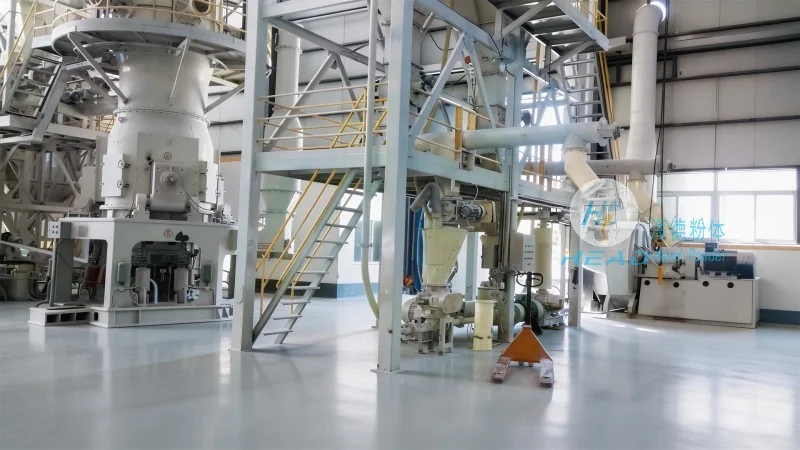
Understanding Pneumatic Conveying Systems
Pneumatic conveying is a method of transporting bulk materials through a pipeline using a gas, typically air, as the conveying medium. This technology offers several advantages over traditional mechanical conveying methods, such as reduced equipment wear, lower maintenance requirements, and the ability to handle a wide range of materials, including those that are dusty, abrasive, or sensitive to moisture. For lithium-ion battery anode materials, which often consist of powders like graphite or silicon, pneumatic conveying is particularly well-suited due to its ability to handle fine particles and maintain material integrity during transport.
Key Components of a Pneumatic Conveying System
A typical pneumatic conveying system consists of several essential components that work together to achieve efficient material transport. These components include a material feed hopper, a conveying line (pipeline), a gas source (usually a blower or compressor), and a control system. The material feed hopper is designed to store and meter the anode material, ensuring a consistent flow into the system. The conveying line is made of materials that are resistant to corrosion and wear, such as stainless steel or special alloys, to accommodate the abrasive nature of battery anode powders. The gas source provides the necessary pressure and flow rate to move the material through the pipeline. Finally, the control system monitors and regulates the operation of the system, ensuring optimal performance and safety.
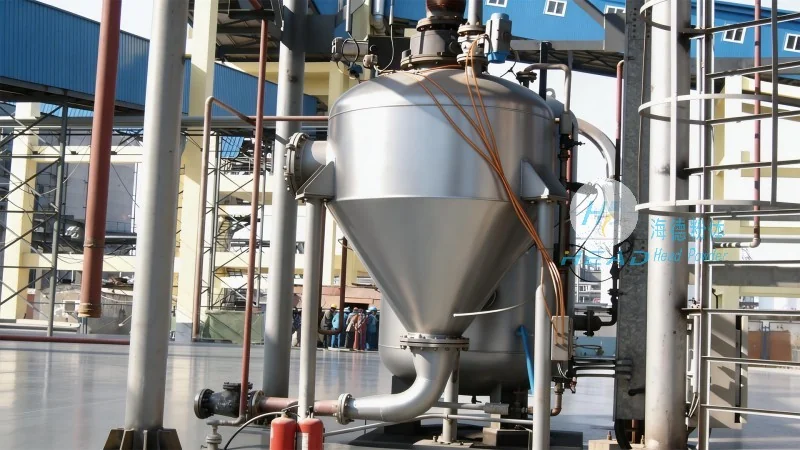
Working Principles of Pneumatic Conveying
The operation of a pneumatic conveying system involves several key steps. First, the anode material is fed into the material hopper. The control system then activates the gas source, which generates a flow of air or other gas through the conveying line. As the gas flows, it creates a pressure differential that draws the material particles into the pipeline. The material is then carried along the pipeline by the moving gas stream, with the velocity of the gas being sufficient to keep the particles suspended and prevent settling. At the discharge end of the system, the material is collected in a receiving hopper or storage bin. The gas, now carrying only residual dust, is typically filtered and vented to the atmosphere, ensuring that the material is separated from the conveying medium.
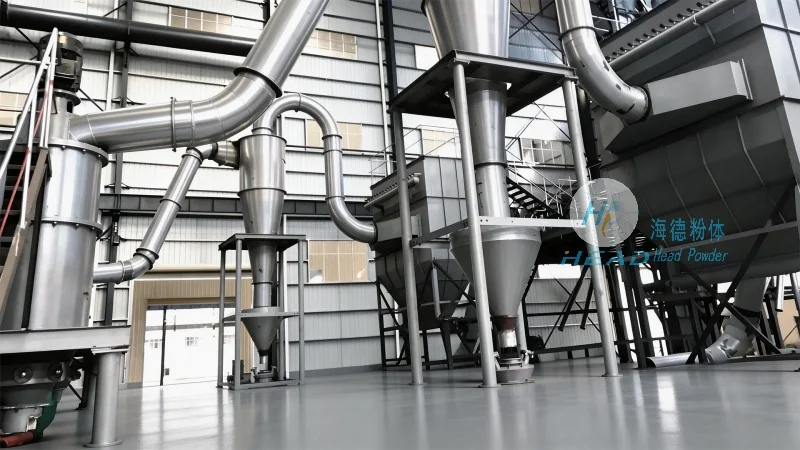
Advantages of Pneumatic Conveying for Lithium-Ion Battery Anode Materials
When applied to the handling of lithium-ion battery anode materials, pneumatic conveying systems offer several key advantages. First, they provide a dust-free and enclosed transport environment, which is critical for maintaining the quality and purity of the anode material. This is particularly important for materials like graphite, which can be easily contaminated by external particles or moisture. Second, the system can handle fine powders with high efficiency, ensuring that the material is transported without segregation or loss. Third, the enclosed design reduces the risk of material exposure to the environment, which is beneficial for both worker safety and product quality. Additionally, pneumatic conveying systems can be designed to operate at low or high pressure, depending on the specific requirements of the application, providing flexibility in material handling.
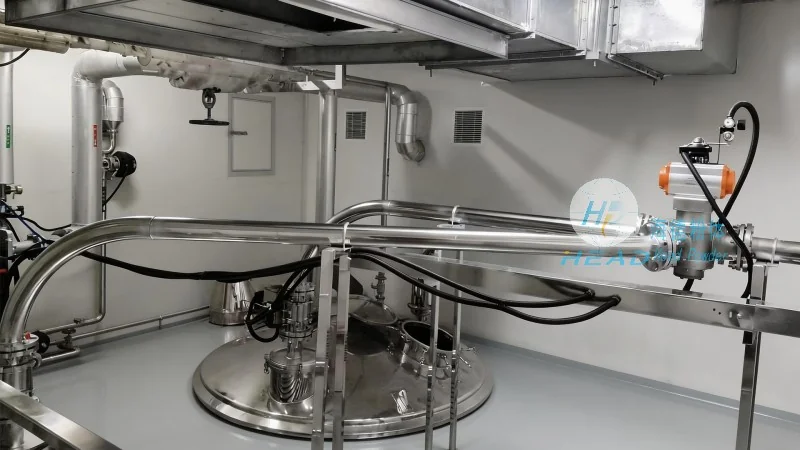
Applications in Lithium-Ion Battery Manufacturing
Pneumatic conveying systems are widely used in the lithium-ion battery manufacturing process, particularly in the handling of anode materials. These systems are commonly employed in the production of battery cells, where anode powders need to be transported from storage to mixing and coating lines. The efficiency and reliability of pneumatic conveying make it an ideal choice for high-volume production environments, where consistent material flow is essential for maintaining production rates. Additionally, the ability to integrate multiple conveying lines into a single system allows for the transport of different materials or batches simultaneously, enhancing overall production flexibility.
Conclusion
HeadPowder's expertise in pneumatic conveying systems ensures that lithium-ion battery manufacturers can benefit from advanced material handling solutions. By understanding the working principles and key components of these systems, manufacturers can optimize their material transport processes, improve product quality, and enhance operational efficiency. The use of pneumatic conveying for anode materials represents a significant advancement in the battery manufacturing industry, and companies like HeadPowder play a crucial role in providing the engineering solutions needed to support this growth.