

Classification and Composition of Gypsum Fly Ash Pneumatic Conveying Systems
For industrial applications involving the handling of gypsum and fly ash, efficient material transport is crucial. The pneumatic conveying system designed by Shandong HeadPowder Engineering Co., Ltd. (headpowder), a leading manufacturer based in Shandong, China, offers a reliable solution that addresses the unique challenges associated with these materials. This article provides an overview of the classification and key components of the gypsum fly ash pneumatic conveying system, highlighting its design principles and operational advantages.
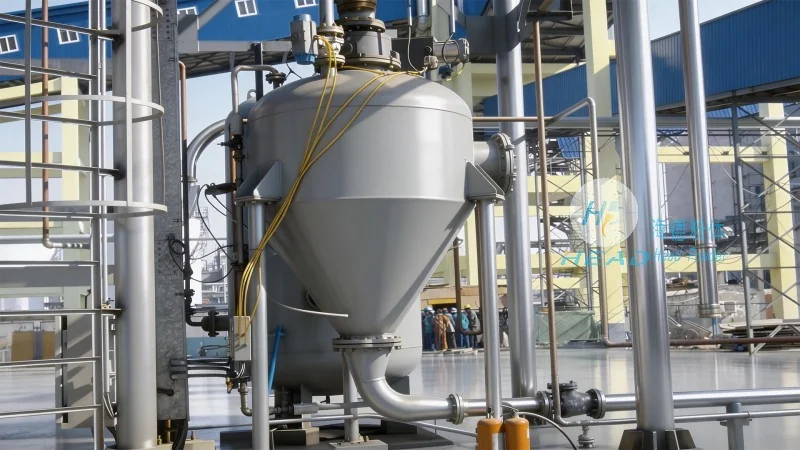
Overview of Gypsum and Fly Ash Handling Requirements
Gypsum, a common industrial material used in construction and manufacturing, often requires precise handling to maintain its quality and prevent degradation. Fly ash, a byproduct of coal combustion, presents additional challenges due to its fine particle size and potential for dust generation. The pneumatic conveying system developed by headpowder is engineered to meet these specific requirements, ensuring safe and efficient transport of both materials. The system’s design incorporates advanced technology to handle the varying properties of gypsum and fly ash, making it suitable for a wide range of industrial applications.
Classification of Pneumatic Conveying Systems
Pneumatic conveying systems are typically classified based on the pressure used to move materials. The two primary categories are pressure and vacuum systems. Pressure systems use positive pressure to push materials through the conveying line, while vacuum systems use negative pressure to pull materials. For gypsum and fly ash applications, headpowder’s system often employs a combination of both, or a specialized pressure system, to optimize material transport efficiency. The classification of the system depends on factors such as the distance to be covered, the volume of material to be transported, and the specific characteristics of the material being handled.
Key Components of the Gypsum Fly Ash Pneumatic Conveying System
The gypsum fly ash pneumatic conveying system consists of several critical components that work together to ensure smooth and efficient operation. These components include the material feed hopper, the air compressor, the conveying line, the dust collection system, and the discharge unit. Each component plays a vital role in the overall performance of the system.
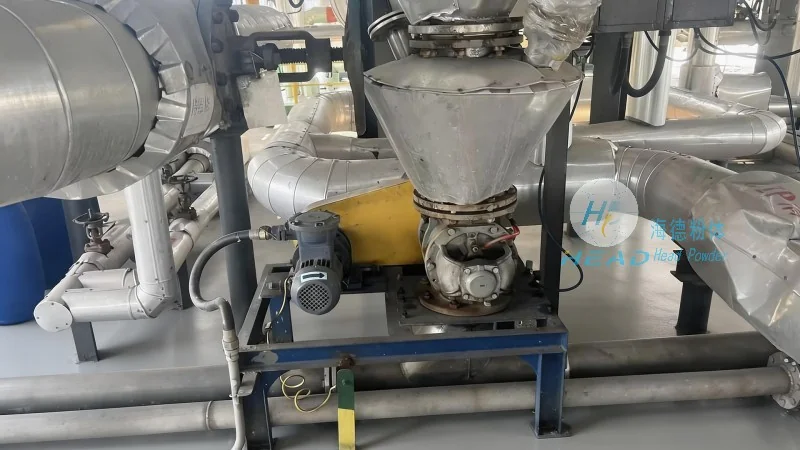
The material feed hopper is responsible for storing and feeding the gypsum or fly ash into the system. It is designed to handle bulk materials and ensure a consistent flow rate. The hopper is equipped with a feeding mechanism that can be adjusted to control the amount of material entering the conveying line. This helps maintain stable operation and prevents overloading or underloading of the system.
The air compressor is the heart of the pneumatic conveying system, providing the necessary pressure to move the materials through the line. The compressor is selected based on the specific requirements of the application, including the material type, conveying distance, and volume. High-efficiency compressors are used to minimize energy consumption and operating costs. The compressor is also equipped with safety features to prevent overpressure and ensure reliable operation.
The conveying line is a flexible or rigid tube that transports the materials from the feed hopper to the discharge point. The material is carried by the air stream, which is generated by the compressor. The line is typically made of materials such as stainless steel or plastic, which are resistant to corrosion and wear. The diameter and length of the line are determined based on the material characteristics and the distance to be covered. Proper line design is crucial to maintain the material’s integrity and prevent blockages.
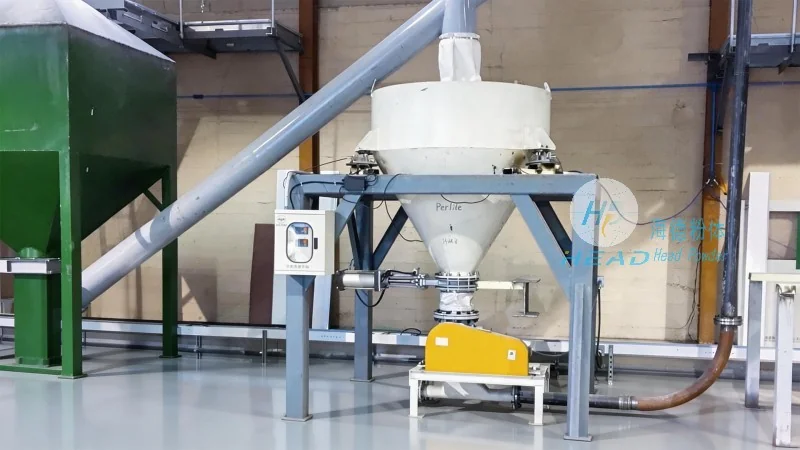
The dust collection system is an essential component for handling fly ash, as it helps to control dust emissions and maintain a clean working environment. The system typically includes a filter or cyclone separator that captures the fine particles from the air stream. The collected dust is then discharged into a container or returned to the feed hopper. This helps to prevent dust from escaping into the workplace and ensures compliance with environmental regulations.
The discharge unit is the final component of the system, where the material is released from the conveying line. It is designed to handle the material’s characteristics and ensure a smooth discharge. The unit may include a valve or a hopper to control the flow rate and prevent material spillage. The discharge unit is typically located at the end of the conveying line, where the material is needed for processing or storage.
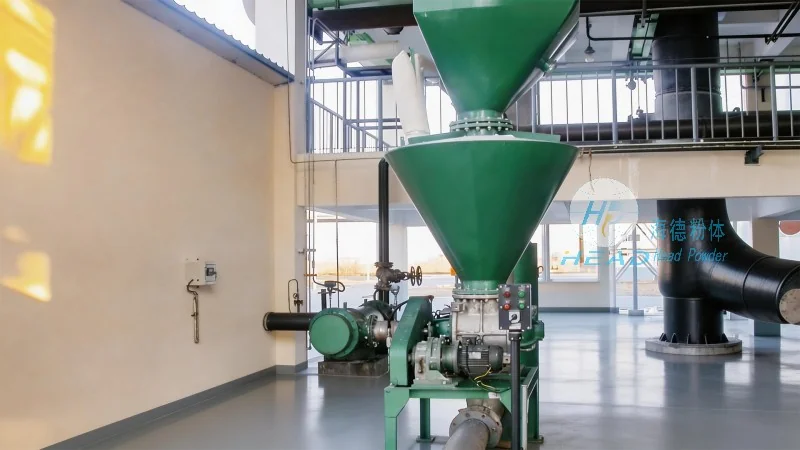
Operational Advantages of the System
The gypsum fly ash pneumatic conveying system developed by headpowder offers several operational advantages over traditional methods of material transport. One of the key advantages is the ability to handle both gypsum and fly ash in a single system, reducing the need for separate handling equipment. This increases efficiency and reduces operational costs. The system also provides a dust-free environment, which is important for maintaining the quality of the materials and ensuring a safe working environment.
Another advantage is the flexibility of the system, which allows it to be adapted to different applications and requirements. The system can be customized to handle varying material volumes and conveying distances, making it suitable for a wide range of industrial settings. The use of advanced technology in the system also ensures high reliability and low maintenance costs, which contributes to its overall efficiency.
Conclusion
The gypsum fly ash pneumatic conveying system from Shandong HeadPowder Engineering Co., Ltd. is a reliable and efficient solution for handling gypsum and fly ash in industrial applications. The system’s classification and key components are designed to meet the specific requirements of these materials, ensuring safe and effective transport. With its operational advantages, the system offers a cost-effective and environmentally friendly solution for material handling. As a leading manufacturer in the industry, headpowder continues to innovate and improve its systems to meet the evolving needs of its customers.