

Introduction to Limestone Powder Pneumatic Conveying: An Overview of Pneumatic Conveying System Prin
Shandong HeadPowder Engineering Co., Ltd., commonly known as HeadPowder, is a professional manufacturer and supplier based in Shandong, China. The company specializes in the design, development, and production of advanced pneumatic conveying systems, particularly those tailored for limestone powder and other fine particulate materials.
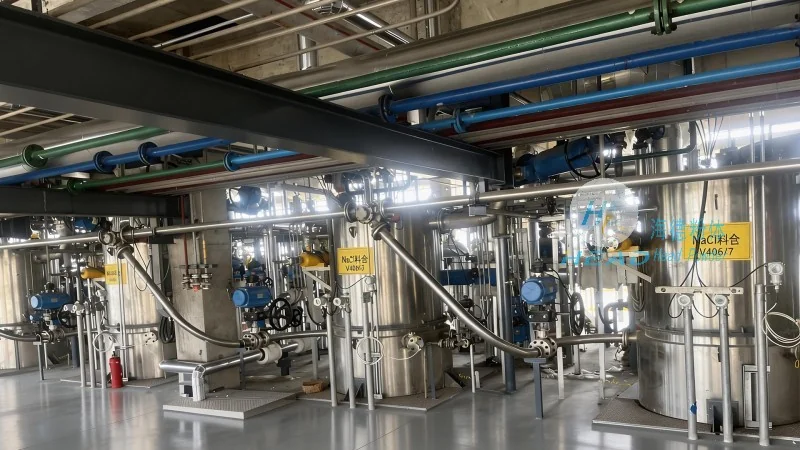
Pneumatic Conveying Systems: A Brief Overview
Pneumatic conveying is a widely used method for transporting bulk materials, such as limestone powder, over short to medium distances. Unlike traditional mechanical conveying systems, which rely on belts, screws, or buckets, pneumatic systems utilize compressed air to move materials through a pipeline network. This technology offers several advantages, including high efficiency, low maintenance, and the ability to handle materials that are difficult to transport with conventional methods.
The Working Principle of Pneumatic Conveying Systems
The core of a pneumatic conveying system involves the use of a blower or compressor to generate a high-pressure air stream. This air stream is then directed into a hopper or storage silo, where the limestone powder is introduced. As the air flows through the pipeline, it entrains the powder particles, forming a dense or dilute phase flow. The mixture of air and powder is then transported to the destination point, such as a processing plant or storage facility. At the receiving end, a separator or cyclone separates the powder from the air, allowing the powder to be discharged while the air is either recirculated or vented to the atmosphere.
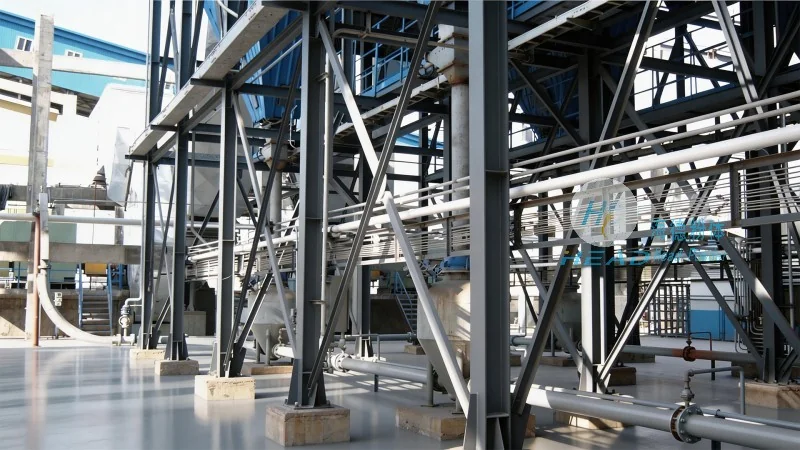
Key Components of a Pneumatic Conveying System
Several critical components are essential for the proper operation of a pneumatic conveying system. These include the air compressor or blower, which provides the necessary pressure; the hopper or feeder, which controls the material flow; the pipeline system, which transports the material; and the separator or filter, which removes the powder from the air stream. Additionally, control valves and sensors are used to regulate the flow rate and pressure, ensuring optimal performance and preventing system overload.
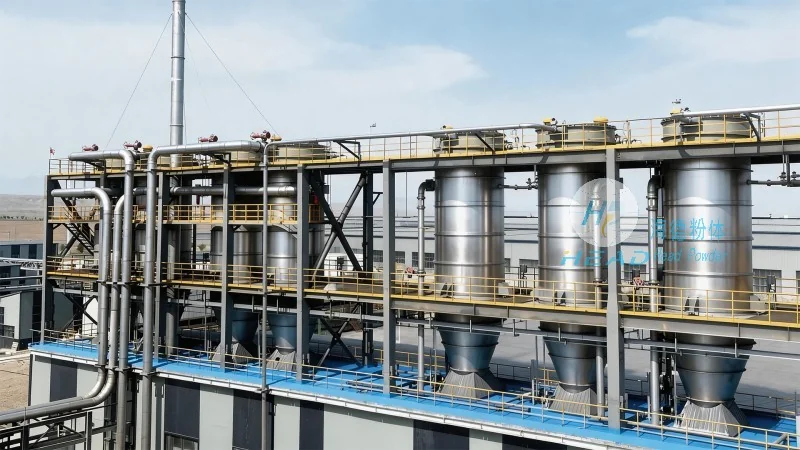
Applications of Limestone Powder Pneumatic Conveying
Limestone powder is commonly used in various industries, including construction, cement production, and chemical manufacturing. The pneumatic conveying system is particularly suitable for transporting limestone powder due to its fine particle size and the need for a dust-free environment. By using a pneumatic system, companies can efficiently move limestone powder from storage silos to processing equipment, minimizing dust generation and improving workplace safety.
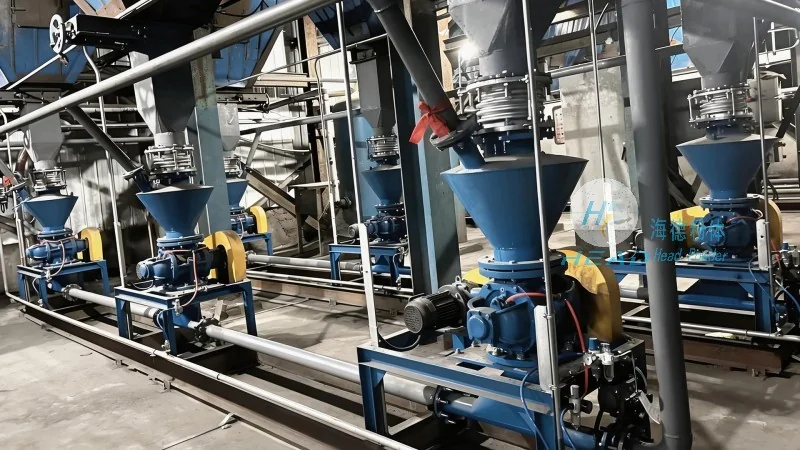
Advantages of Pneumatic Conveying for Limestone Powder
Compared to other conveying methods, pneumatic conveying offers several benefits for limestone powder transportation. First, it provides a clean and dust-free operation, which is crucial for maintaining a safe working environment. Second, the system is highly flexible, allowing for changes in material flow rates and destinations without significant modifications. Third, it reduces material handling costs by eliminating the need for manual handling or additional equipment. Finally, the system is compact and can be installed in confined spaces, making it suitable for various industrial settings.
Maintenance and Operational Considerations
To ensure the long-term reliability and efficiency of a pneumatic conveying system, regular maintenance is essential. This includes checking the air compressor for proper operation, cleaning the pipeline and separator to prevent clogging, and inspecting the feeder and hopper for wear and tear. Additionally, monitoring the system's pressure and flow rates can help identify potential issues before they become major problems. By following proper maintenance procedures, companies can extend the lifespan of their equipment and minimize downtime.