

Introduction to Coking Coal and Limestone Powder Pneumatic Conveying, Explanation of Pneumatic Conve
Coking coal and limestone powder are critical raw materials in the steel and cement industries, requiring efficient and reliable transportation methods to maintain smooth production workflows. Pneumatic conveying systems have emerged as a sophisticated solution for handling these powders, offering advantages such as dust-free operation, reduced material degradation, and enhanced workplace safety. This article provides an overview of pneumatic conveying technology, focusing on its application in transporting coking coal and limestone powder, while detailing the fundamental principles behind its operation.
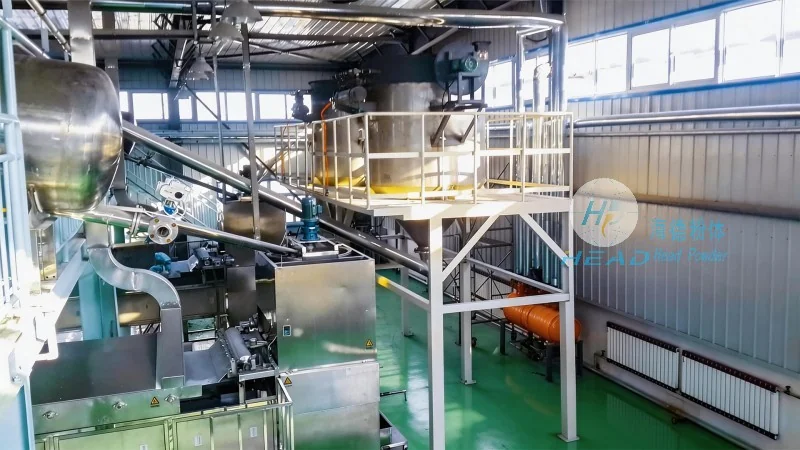
Company Profile: Shandong HeadPowder Engineering Co., Ltd.
HeadPowder, the professional engineering company behind this technology, specializes in the design, manufacturing, and installation of advanced pneumatic conveying systems. With a strong commitment to innovation and quality, HeadPowder has established itself as a leading provider in the industry. The company’s headquarters is located in Shandong, China, where it leverages local expertise and resources to deliver tailored solutions for diverse industrial needs. By combining years of experience with cutting-edge engineering, HeadPowder ensures that its systems meet the highest standards of performance and reliability.
Pneumatic Conveying System for Coking Coal and Limestone Powder
The pneumatic conveying system designed for coking coal and limestone powder involves the use of air to transport bulk materials through a network of pipes. This system is particularly effective for handling fine powders like limestone, which are prone to caking and degradation when handled by traditional methods. The system typically includes a hopper for material storage, a blower or compressor to generate the air flow, and a series of pipelines to direct the material to its destination. Key components such as rotary valves, filters, and cyclones are integrated to ensure efficient material transfer and air filtration. The design of the system is optimized to handle the specific properties of coking coal and limestone, including their particle size, density, and moisture content, ensuring minimal loss and maximum throughput.
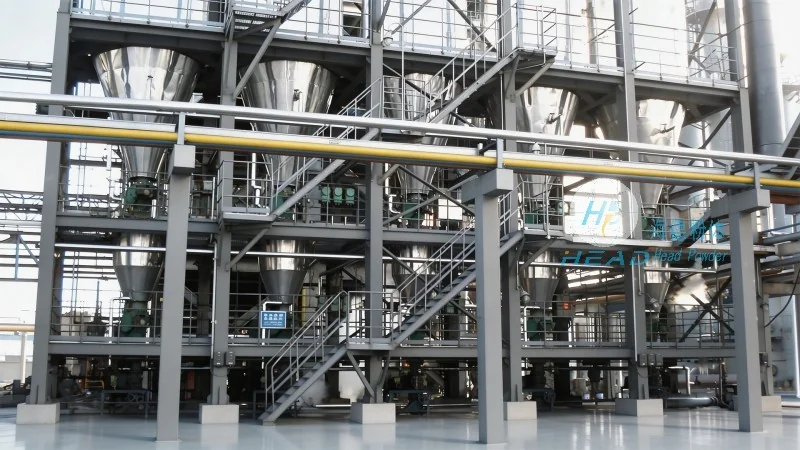
Working Principles of the Pneumatic Conveying System
The core principle of pneumatic conveying is the use of air to create a flow that transports the material particles. In a positive pressure system, a blower pushes air through the pipeline, carrying the material along with it. The air velocity is carefully controlled to maintain a stable flow, preventing material deposition or blockages. The system operates by creating a pressure differential between the inlet and outlet, which drives the material forward. For coking coal and limestone powder, the system may employ a combination of positive and negative pressure stages to achieve the desired transport efficiency. The material is introduced into the system at the inlet, where it is mixed with the air stream. As the mixture travels through the pipeline, it passes through various components, including filters that remove any residual dust and cyclones that separate the material from the air. The final stage of the system typically involves a discharge hopper, where the material is collected and prepared for further processing. This process ensures that the material is transported safely and efficiently, with minimal environmental impact.
Advantages of Pneumatic Conveying for Coking Coal and Limestone Powder
Pneumatic conveying offers several advantages over traditional methods like belt conveyors or bucket elevators. One of the primary benefits is the ability to handle fine powders without the risk of caking or material degradation. The enclosed system prevents dust from escaping into the environment, reducing the risk of respiratory hazards and contamination. Additionally, pneumatic conveying systems are more flexible in terms of layout, as they can be installed in various configurations to suit the space constraints of a facility. The system also provides better control over material flow, allowing for precise dosing and regulation of the material being transported. For coking coal and limestone powder, these advantages translate into improved product quality, reduced maintenance costs, and enhanced operational safety. The use of advanced materials and engineering in the system design further enhances its durability and longevity, ensuring long-term performance.
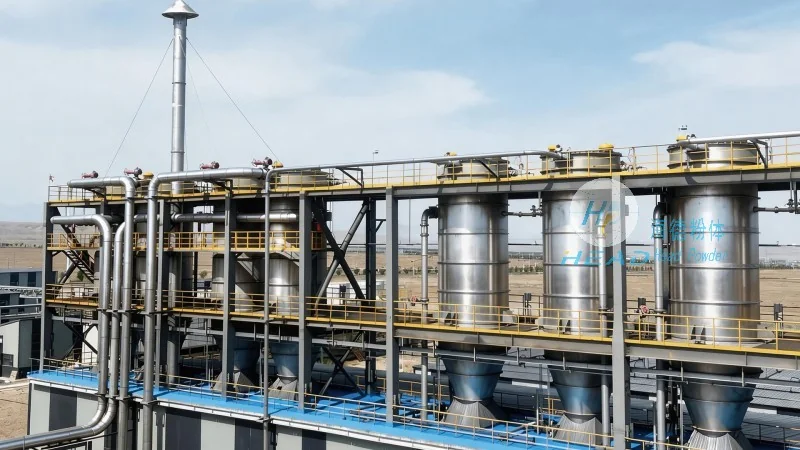
Application Scenarios in Industrial Settings
The pneumatic conveying system for coking coal and limestone powder is widely used in various industrial applications. In steel mills, for example, coking coal is used as a fuel in the coking process, and limestone is added as a flux to reduce the melting point of the ore. The system efficiently transports these materials from storage silos to the coking ovens, ensuring a consistent supply of raw materials. Similarly, in cement plants, limestone is a key ingredient in the production of clinker, and coking coal is used as a fuel in the kilns. The pneumatic conveying system allows for the seamless transfer of these materials, reducing downtime and improving overall plant efficiency. Other applications include the handling of limestone in chemical plants or the transportation of coking coal in power generation facilities. In each case, the system’s ability to handle fine powders and maintain a dust-free environment makes it an ideal choice for industries that require high standards of material quality and operational safety.
Conclusion
In conclusion, the pneumatic conveying system for coking coal and limestone powder represents a sophisticated and efficient solution for industrial material handling. By leveraging the principles of air flow and pressure differential, this system ensures the safe and reliable transport of essential raw materials. HeadPowder’s expertise in designing and implementing such systems has contributed significantly to the advancement of industrial processes, particularly in the steel and cement sectors. As industries continue to demand higher efficiency and environmental compliance, pneumatic conveying technology will remain a critical component in the handling of fine powders like coking coal and limestone. The continued innovation and refinement of these systems will further enhance their performance, making them an indispensable part of modern industrial operations.