

Main Poultry Pepper Pneumatic Conveying Structures: What Are the Key Components?
For businesses in the poultry processing and spice handling industries, understanding the core components of pneumatic conveying systems is crucial for efficient operation and product integrity. Pneumatic conveying, particularly in the context of poultry pepper handling, involves the use of air to transport granular or powdered materials like pepper from one location to another. The effectiveness of these systems depends heavily on the structural design and integration of various components. This article explores the main pneumatic conveying structures used in poultry pepper applications, highlighting their functions and importance in industrial settings. The information provided is based on the expertise of Shandong HeadPowder Engineering Co., Ltd., a leading manufacturer of pneumatic conveying systems for the food and spice industry.
1. Inlet and Material Hopper
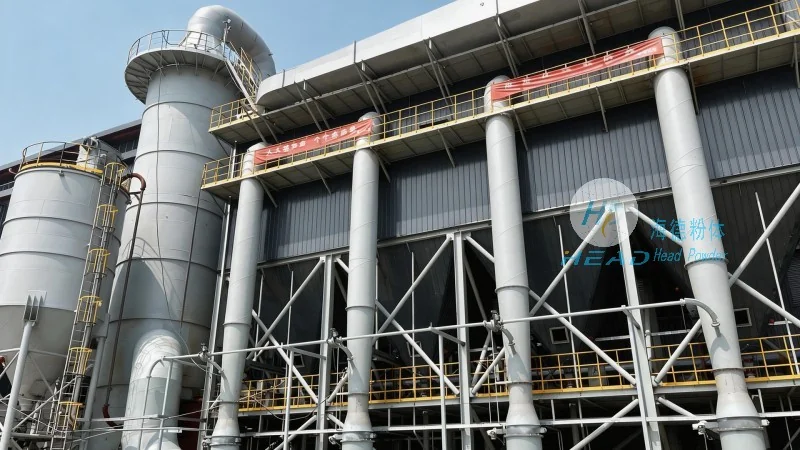
The process begins with the inlet and material hopper, which serves as the initial collection point for the poultry pepper. This component is designed to hold the raw material and feed it into the conveying system. The hopper is typically made of durable materials such as stainless steel to withstand the abrasive nature of pepper particles and to maintain hygiene standards. The design of the hopper, including its shape and size, is critical for ensuring a consistent flow of material into the system. A properly sized hopper prevents blockages and ensures that the material is fed at a controlled rate, which is essential for maintaining the efficiency of the entire pneumatic conveying process. The inlet also includes a feeder mechanism, often a rotary valve or a screw feeder, that regulates the material flow into the conveying line. This component ensures that the material is introduced into the system in a controlled manner, preventing overloading and maintaining a steady flow rate.
2. Conveying Pipeline and Air Supply System
The heart of the pneumatic conveying system is the conveying pipeline, which transports the pepper and air mixture from the inlet to the discharge point. The pipeline is usually made of stainless steel or plastic, chosen based on the material being conveyed and the operating conditions. The diameter of the pipeline is carefully selected to balance the air velocity and material flow, ensuring that the pepper particles are suspended effectively by the air. The air supply system, which includes a blower or a compressor, generates the necessary pressure to move the material through the pipeline. The air supply is typically filtered to remove contaminants that could damage the equipment or affect the quality of the pepper. The pressure and flow rate of the air are critical parameters that must be optimized to achieve efficient conveying. A well-designed air supply system ensures that the pepper is transported without excessive pressure drops or material degradation.
3. Dust Collection and Filtration Unit
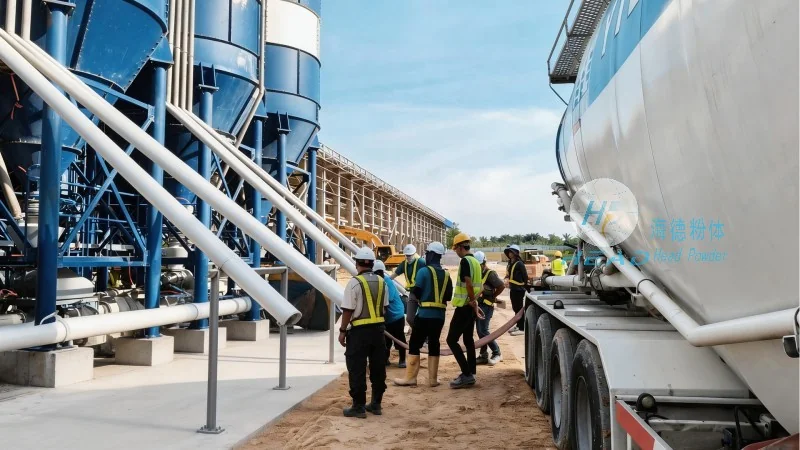
As the pepper is conveyed through the pipeline, fine particles may be released into the air, creating a dust environment. To maintain a clean and safe working environment, a dust collection and filtration unit is essential. This component captures the airborne pepper particles and returns them to the conveying system, preventing loss of product and ensuring compliance with environmental regulations. The filtration unit typically consists of a cyclone separator and a bag filter or cartridge filter. The cyclone uses centrifugal force to separate larger particles from the air, while the filter captures finer particles. The collected pepper is then returned to the hopper or a storage bin, ensuring that no material is lost during the conveying process. This unit also helps to maintain the air quality in the facility, reducing the risk of respiratory issues for workers and preventing dust accumulation on equipment.
4. Discharge and Material Diverter
The final component of the pneumatic conveying system is the discharge and material diverter. This unit is responsible for directing the pepper from the pipeline to its final destination, such as a storage silo, a processing line, or a packaging area. The discharge point is designed to minimize pressure loss and ensure that the pepper is discharged smoothly without creating a dust cloud. The diverter mechanism allows for the redirection of the material flow to different destinations, providing flexibility in the system's operation. This component is often equipped with a valve or a gate that can be controlled to regulate the flow of material to the desired location. The design of the discharge unit is critical for preventing material buildup and ensuring that the pepper is delivered to the correct destination without any blockages or spills.
5. Control and Monitoring Systems
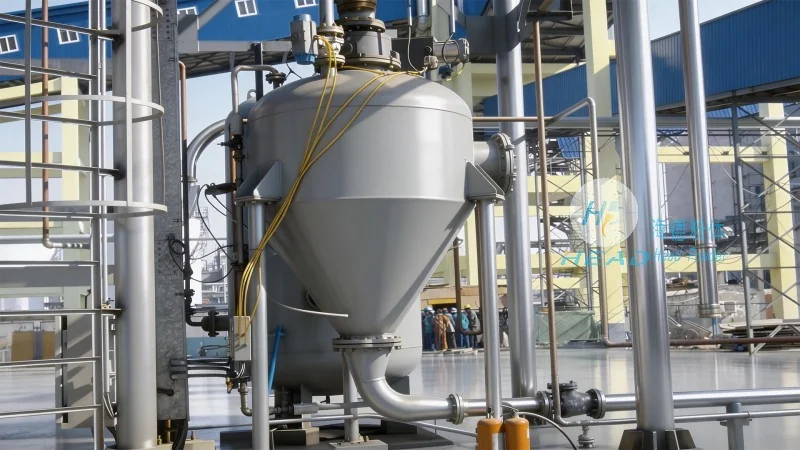
Modern pneumatic conveying systems for poultry pepper applications are equipped with advanced control and monitoring systems to ensure optimal performance and safety. These systems include sensors and controllers that monitor parameters such as pressure, flow rate, and temperature. The sensors provide real-time data on the system's operation, allowing operators to detect and address any issues promptly. The control system can adjust the air pressure and flow rate automatically to maintain the desired conveying conditions. This automation helps to improve efficiency and reduce the risk of equipment failure or material loss. Additionally, the monitoring systems can provide alerts in case of abnormal conditions, such as high pressure or low material levels, ensuring that the system operates within safe and efficient parameters. The control and monitoring systems are essential for maintaining the reliability and longevity of the pneumatic conveying equipment.
6. Material Handling and Storage Integration
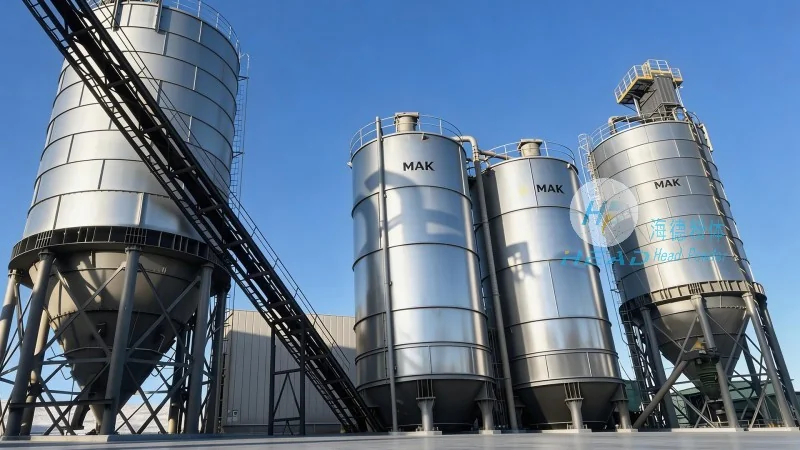
The pneumatic conveying system is often integrated with other material handling and storage equipment to form a complete processing line. This integration ensures that the pepper is transported from the hopper to the storage silo or processing equipment without any manual handling. The storage silo is designed to hold the pepper in bulk, providing a buffer for the processing line and ensuring a steady supply of material. The integration of the conveying system with the storage and processing equipment allows for a seamless flow of material, reducing downtime and improving overall productivity. The design of the integration must consider factors such as the height of the silo, the distance between components, and the flow rates to ensure that the system operates efficiently. A well-integrated system minimizes the need for manual intervention and reduces the risk of material contamination or loss.
7. Maintenance and Safety Considerations
Maintaining the pneumatic conveying system for poultry pepper applications requires regular inspection and maintenance to ensure its longevity and performance. Regular cleaning of the hopper, pipeline, and filtration unit is necessary to prevent material buildup and ensure efficient operation. The blower or compressor should be checked regularly for wear and tear, and the air filters should be replaced as needed to maintain air quality. Safety considerations are also critical in the operation of these systems. The system should be equipped with safety valves and pressure relief devices to prevent overpressure situations. Additionally, proper ventilation and dust extraction systems should be in place to maintain a safe working environment. Regular training for operators on the safe operation of the system is essential to prevent accidents and ensure compliance with safety regulations. By following proper maintenance and safety procedures, the pneumatic conveying system can operate efficiently and safely for an extended period.