

[Maintain the original title translation as is, no changes needed for the title part]
When discussing the air-driven latex powder conveying systems, several key structural components are essential for efficient operation. These systems are designed to handle the transportation of latex powder through pneumatic means, ensuring reliable and consistent material movement. The main structures typically include the feeding unit, the conveying pipeline, the separation equipment, and the receiving container. Each component plays a critical role in the overall performance of the system.
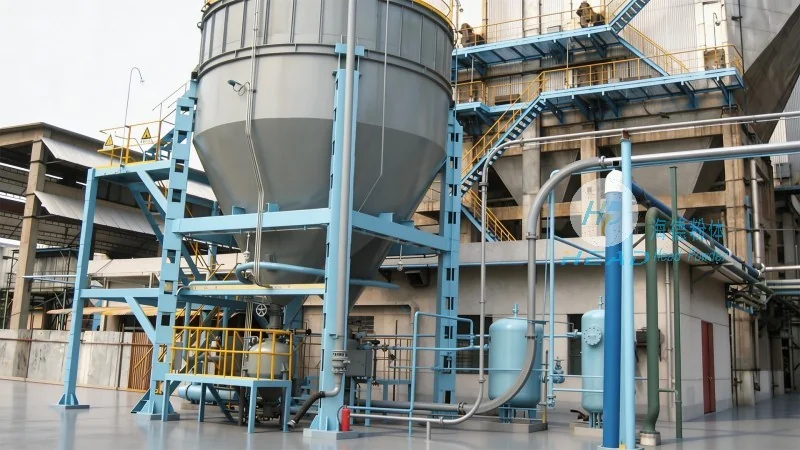
Feeding Unit: The Initial Stage of Conveying
The feeding unit is the first critical structure in an air-driven latex powder conveying system. It is responsible for introducing the latex powder into the system and preparing it for transport. This unit often includes a hopper or a bin that holds the raw latex powder, ensuring a steady supply. A feeder, such as a rotary valve or a screw feeder, is then used to regulate the flow of powder into the conveying line. The design of the feeding unit is crucial as it must prevent material bridging or clogging, which can disrupt the entire conveying process. The feeding mechanism must also be compatible with the specific characteristics of latex powder, such as its density and flowability. By effectively controlling the initial input of powder, the feeding unit sets the foundation for smooth and continuous operation throughout the system.
Conveying Pipeline: The Core Transport Path
The conveying pipeline is the central structure that carries the latex powder from the feeding unit to the separation or receiving point. This pipeline is typically made of materials like stainless steel or plastic, chosen for their resistance to corrosion and wear from the latex powder. The pipeline design includes bends, elbows, and straight sections, which must be carefully engineered to minimize pressure losses and maintain the velocity of the air-powder mixture. The diameter and length of the pipeline are critical factors that affect the conveying efficiency. Properly sized and positioned pipeline components ensure that the powder is transported at the optimal velocity, preventing particle segregation or deposition. The pipeline also incorporates features like check valves or flow control devices to manage the air flow and maintain system stability. These elements work together to create a reliable transport path that supports the efficient movement of latex powder.
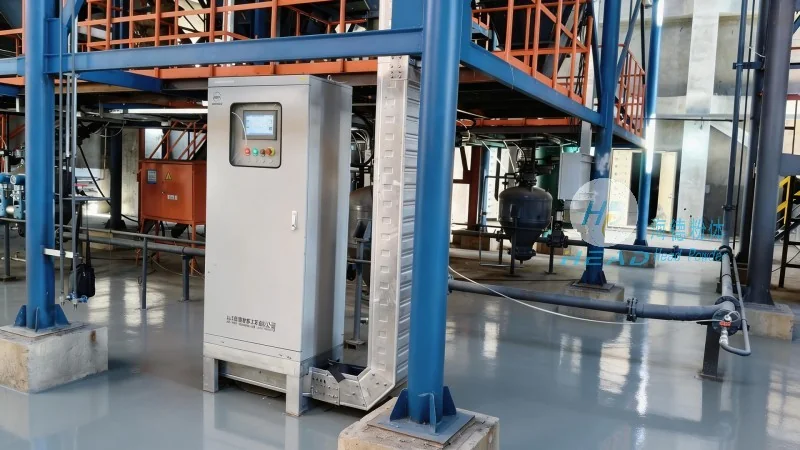
Separation Equipment: Ensuring Clean Delivery
After the latex powder travels through the conveying pipeline, it reaches the separation equipment. This structure is designed to separate the powder from the air stream, allowing the powder to be collected in a receiving container while the air is either recirculated or discharged. Common separation methods include cyclone separators, bag filters, or electrostatic precipitators. The choice of separation equipment depends on the specific properties of the latex powder, such as its particle size and moisture content. Cyclone separators, for example, use centrifugal force to separate the heavier powder particles from the air, directing them into a collection hopper. Bag filters, on the other hand, trap the powder particles on filter bags, with the clean air passing through to be recycled. The separation equipment must be efficient enough to capture a high percentage of the powder while minimizing air loss. Proper maintenance of these components is essential to ensure consistent performance and prevent dust emissions. The separation structure is a vital part of the system, as it ensures that the delivered latex powder is clean and free from contaminants, which is crucial for downstream processing applications.
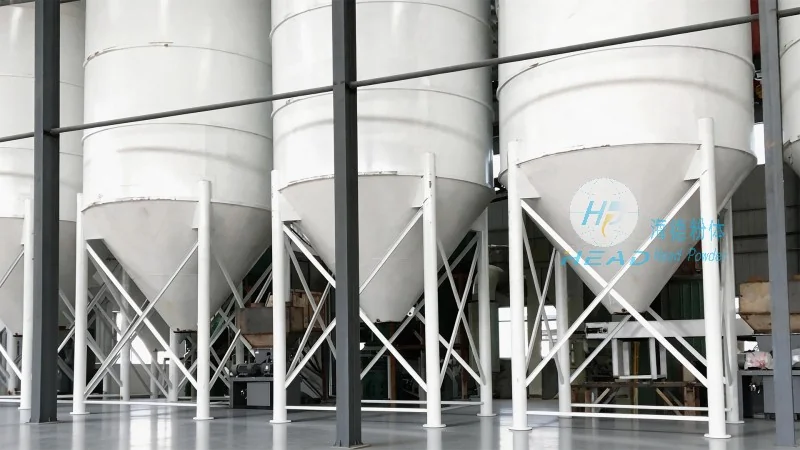
Receiving Container: The Final Destination
The receiving container is the final structure in the air-driven latex powder conveying system. It is responsible for collecting the separated latex powder and storing it until it is ready for use. This container is typically a hopper or a bin with a discharge mechanism, such as a rotary valve or a gate valve, to control the release of the powder. The design of the receiving container must consider the material's flow characteristics to prevent issues like arching or rat-holing. The container is often equipped with level indicators or sensors to monitor the powder level, ensuring that the system operates within safe and efficient limits. The receiving structure is connected to the separation equipment via a short pipeline, allowing the powder to be transferred smoothly. The container's capacity and material (usually stainless steel or food-grade plastic) are chosen to match the production requirements and the handling needs of the latex powder. By providing a secure and controlled storage solution, the receiving container completes the conveying process, ensuring that the latex powder is delivered in a ready-to-use state.
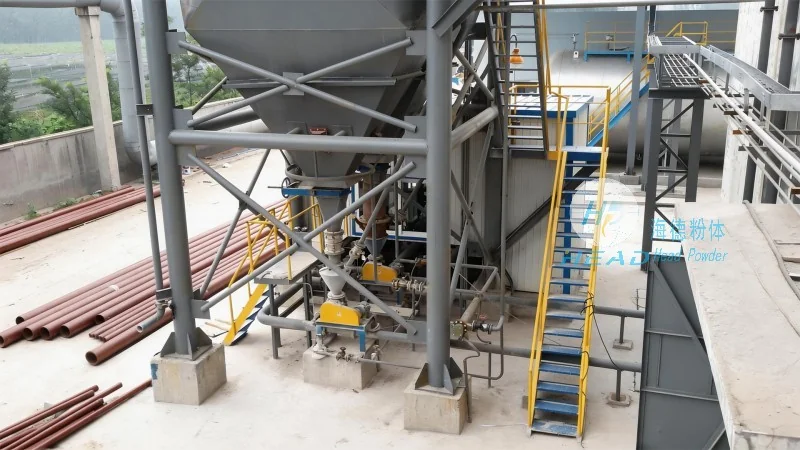
Control and Monitoring Systems: Ensuring System Reliability
In addition to the primary structural components, air-driven latex powder conveying systems also include control and monitoring structures that enhance system reliability and performance. These systems typically consist of pressure sensors, flow meters, and control valves that regulate the air pressure and flow rate. The control unit, often a programmable logic controller (PLC), monitors the system parameters and adjusts the operation as needed. For example, if the pressure in the pipeline drops, the control system can increase the air supply to maintain the conveying velocity. The monitoring system also includes alarms and indicators that alert operators to any issues, such as blockages or excessive pressure. These control and monitoring structures are critical for preventing system failures and ensuring consistent operation. By integrating these components, the overall system becomes more robust and adaptable to varying production demands. The control and monitoring structures work in conjunction with the other components to create a cohesive and efficient conveying solution for latex powder.
Conclusion: The Importance of Comprehensive Structures
In summary, the main structures of air-driven latex powder conveying systems are integral to their performance and reliability. Each component, from the feeding unit to the receiving container, plays a vital role in the efficient transportation of latex powder. The design and integration of these structures must consider the specific properties of the material, such as its flowability and particle size, to ensure optimal operation. By understanding and maintaining these key structures, manufacturers can achieve consistent and reliable latex powder delivery, supporting their production processes effectively. The combination of these components, along with proper control and monitoring, forms a robust system that meets the demands of modern latex powder handling. As a leading provider in this field, Shandong HeadPowder Engineering Co., Ltd. specializes in designing and manufacturing such air-driven conveying systems, ensuring that clients receive high-quality solutions tailored to their specific needs.