

Main Structures of Micron Silica Powder Pneumatic Conveying Systems?
Micron silica powder, a fine particulate material widely used in various industrial applications, requires specialized handling systems to ensure efficient and safe transportation. The primary structures of pneumatic conveying systems for such powders are designed to address the unique properties of micron silica, including its fine particle size, low bulk density, and potential for dust generation. These systems are engineered to maintain the integrity of the powder while minimizing material loss and ensuring consistent flow rates.
Key Components of Micron Silica Powder Pneumatic Conveying Systems
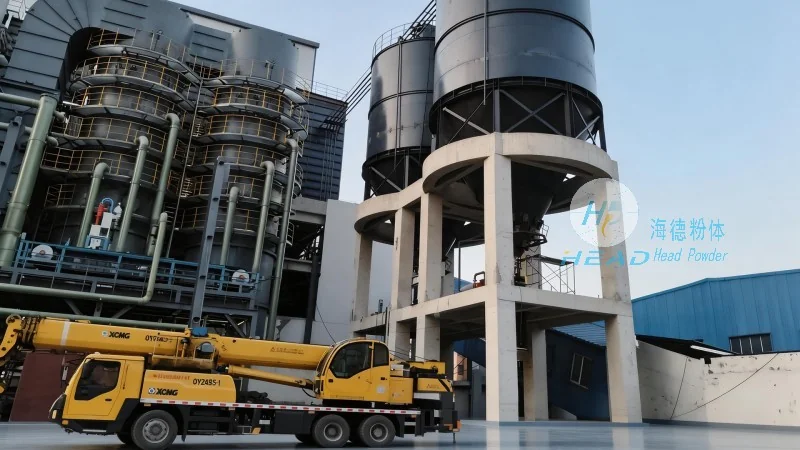
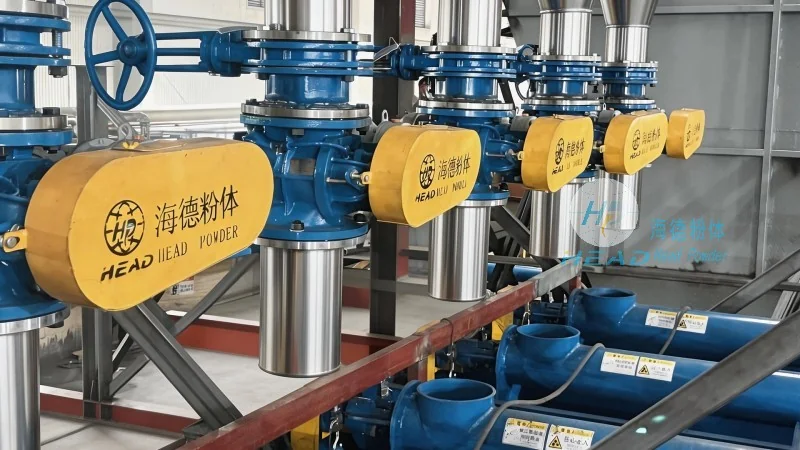
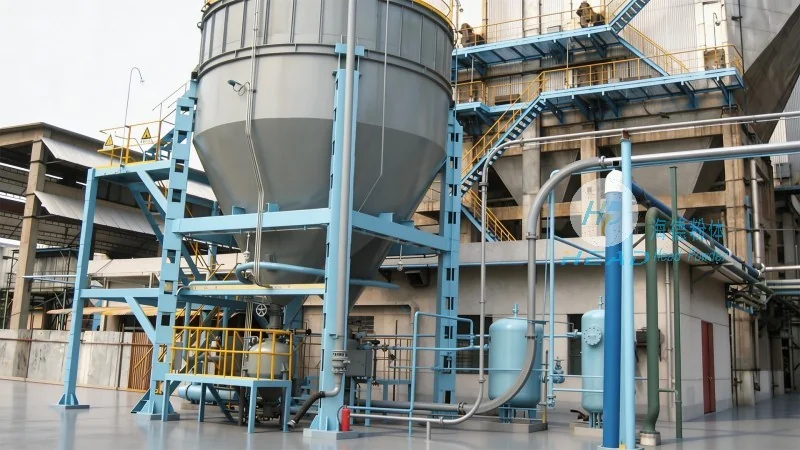
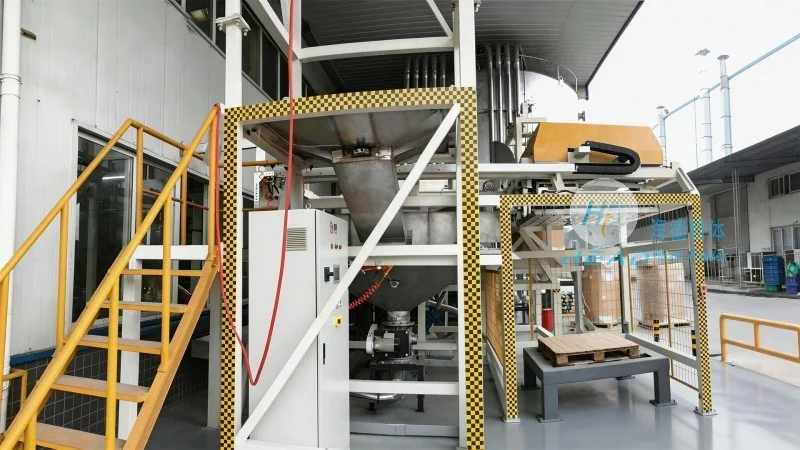
The core components of a pneumatic conveying system for micron silica powder typically include a material feed hopper, a conveying pipeline, a dust collection system, and a control unit. The feed hopper is responsible for storing and feeding the powder into the system, often equipped with a rotary valve or a screw feeder to regulate the flow. The conveying pipeline, usually made of stainless steel or other corrosion-resistant materials, is designed to handle the fine particles without causing blockages or abrasion. A dust collection system, such as a cyclone separator or a baghouse filter, is integrated to capture any airborne particles and prevent environmental contamination. The control unit monitors and adjusts the system parameters, such as air pressure and flow rate, to optimize performance.
Types of Pneumatic Conveying Structures for Micron Silica Powder
There are several types of pneumatic conveying structures commonly used for micron silica powder, each with specific applications and advantages. The most common types include dilute phase and dense phase systems. Dilute phase systems operate at higher air velocities, transporting the powder in a suspended state, which is suitable for long-distance and high-volume applications. Dense phase systems, on the other hand, use lower air velocities and higher material concentrations, providing a more controlled and gentle transport, ideal for sensitive materials or applications requiring minimal pressure drop. Another type is the vacuum conveying system, which uses a vacuum to draw the powder from the source to the destination, suitable for applications where the powder needs to be moved from a lower to a higher elevation or from a remote location.
Design Considerations for Micron Silica Powder Pneumatic Conveying Structures
When designing a pneumatic conveying system for micron silica powder, several factors must be considered to ensure optimal performance and longevity. Material selection is critical, as the components must be resistant to corrosion and abrasion caused by the fine particles. The system's pressure and flow rates must be carefully calculated to prevent clogging and ensure consistent material transport. Additionally, the design should incorporate features to minimize dust emissions and maintain the purity of the powder, such as proper sealing and filtration. The control system should be equipped with sensors and alarms to detect any abnormalities, such as pressure drops or blockages, and trigger appropriate responses to prevent system failures.
Applications of Micron Silica Powder Pneumatic Conveying Systems
Micron silica powder is used in a wide range of industries, including construction, electronics, and pharmaceuticals. The pneumatic conveying systems designed for this material are used to transport the powder from storage silos to processing equipment, such as mixers, extruders, and spray dryers. In the construction industry, micron silica is used as a filler in concrete and mortar, and the conveying systems ensure that the powder is delivered to the mixing plants without any loss or contamination. In the electronics industry, micron silica is used as a filler in silicone rubber and other materials, and the systems help in delivering the powder to the manufacturing lines efficiently. In the pharmaceutical industry, micron silica is used as an excipient in drug formulations, and the conveying systems ensure that the powder is handled in a sterile and controlled environment.
Conclusion and Company Information
Efficient and reliable pneumatic conveying systems are essential for the handling of micron silica powder, ensuring that the material is transported safely and effectively. The structures of these systems are carefully designed to address the unique properties of the powder, with components selected for their durability and performance. As a leading provider of engineering solutions for material handling, Shandong HeadPowder Engineering Co., Ltd. specializes in designing and manufacturing pneumatic conveying systems tailored to the specific needs of micron silica powder applications. With a focus on quality and customer satisfaction, the company offers comprehensive solutions that meet the highest industry standards. Based in Shandong, China, Shandong HeadPowder Engineering Co., Ltd. serves clients worldwide, providing expert advice and support to ensure the successful implementation of pneumatic conveying systems for micron silica powder.