

Main Structures of Hot Dry Ash Pneumatic Conveying Systems
Hot dry ash pneumatic conveying systems are critical in modern industrial processes, particularly in power plants and waste management facilities. These systems efficiently transport hot ash from boilers or incinerators to storage or disposal areas. Understanding the main structural components is essential for optimizing performance, ensuring safety, and maintaining operational efficiency. This article explores the core structures that constitute a typical hot dry ash pneumatic conveying system, highlighting their functions and importance.
1. Ash Collection Hoppers and Feeders
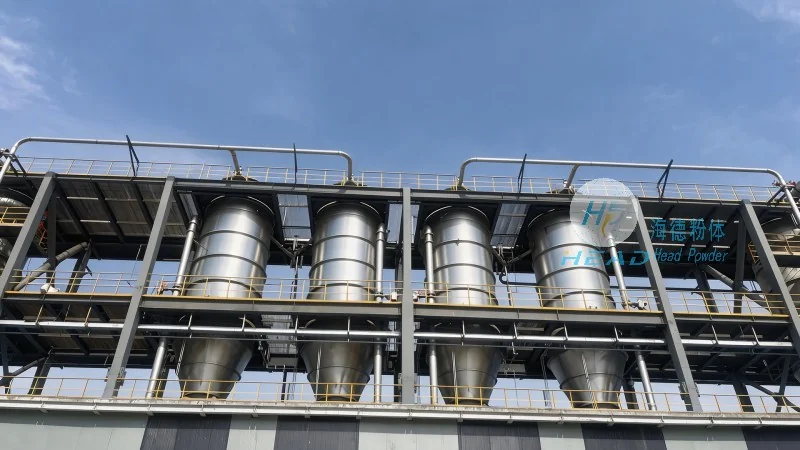
The process begins with the ash collection hopper, which is designed to collect and temporarily store the hot ash generated from combustion processes. The hopper is typically made of high-temperature resistant materials, such as stainless steel or refractory-lined steel, to withstand the high temperatures and abrasive nature of the ash. A rotary valve or a screw feeder is often integrated into the hopper to control the flow of ash into the conveying line. This component ensures a consistent and controlled feed of ash, preventing blockages and maintaining steady system operation. The design of the hopper and feeder is crucial as it directly impacts the system's ability to handle the volume and temperature of the ash, which can vary significantly based on the source and combustion conditions.
2. Pneumatic Conveying Lines and Tubing
The heart of the hot dry ash pneumatic conveying system is the conveying line, which transports the ash particles through a network of pipes. The tubing is usually made of corrosion-resistant materials like stainless steel or high-temperature plastic, depending on the system's operating conditions. The line's diameter and length are carefully selected to match the ash's particle size, flow rate, and temperature. To prevent ash buildup and ensure smooth flow, the line may include bends, elbows, and expansion joints. These components are designed to minimize pressure losses and maintain the ash's velocity, which is essential for preventing clogging and ensuring efficient transport. The conveying line's material selection and design are critical factors in the system's longevity and performance, as they are constantly exposed to high temperatures and abrasive particles.
3. Air Supply and Blower Units
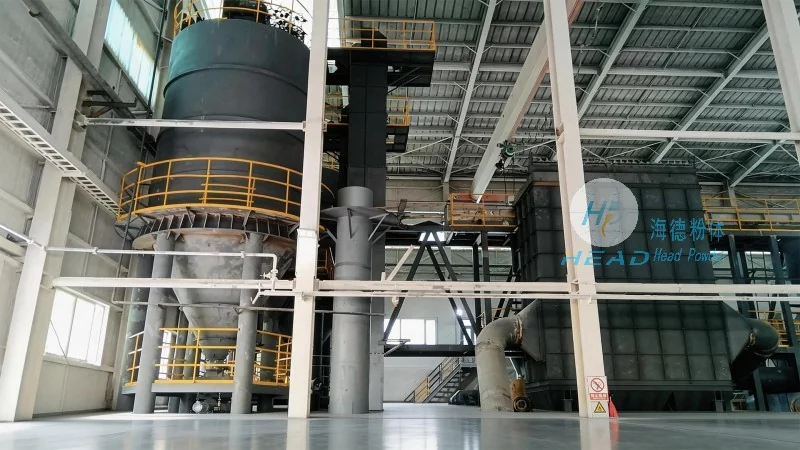
Air supply is provided by a blower or a fan, which generates the necessary pressure and airflow to move the ash particles through the conveying line. The blower unit is typically located at the inlet of the system and is designed to handle the high temperatures and dust content of the air. It may include features such as temperature control, dust filtration, and pressure regulation to ensure optimal performance. The blower's capacity and pressure are matched to the system's requirements, taking into account the ash's density, particle size, and the length of the conveying line. The air supply unit is a critical component as it directly affects the system's conveying efficiency and energy consumption. Proper maintenance and monitoring of the blower are essential to prevent failures and ensure consistent operation.
4. Dust Collection and Filtration Systems
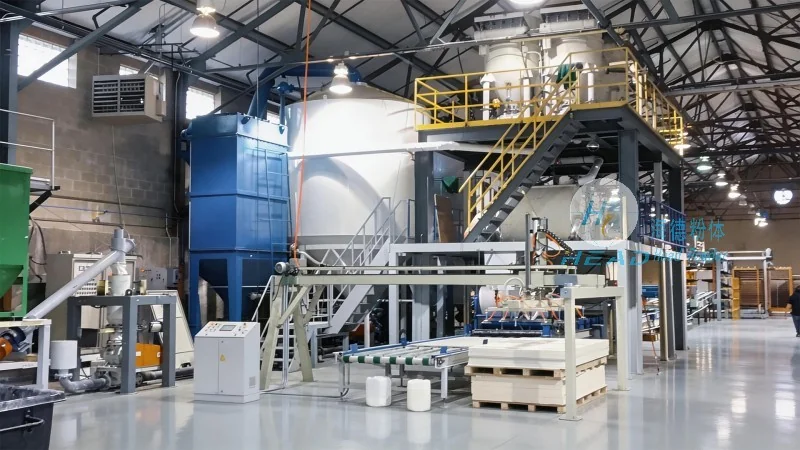
As the ash is conveyed through the system, fine particles may be released into the air, posing a health and safety risk. Therefore, a dust collection system is integrated into the design to capture and remove these particles. The system typically includes a cyclone separator or a baghouse filter, which are designed to remove the dust from the air before it is released into the environment. The dust collection unit is usually located at the outlet of the conveying line and is connected to a venting system that discharges the clean air. The filtration efficiency and capacity of the system are crucial to comply with environmental regulations and maintain a safe working environment. Regular maintenance and cleaning of the filter are necessary to ensure the system's effectiveness and prevent blockages.
5. Control and Monitoring Systems
Modern hot dry ash pneumatic conveying systems are equipped with advanced control and monitoring systems to ensure optimal operation and safety. These systems include sensors, controllers, and alarms that monitor key parameters such as pressure, temperature, flow rate, and ash level. The control system adjusts the blower speed, feeder speed, and other components to maintain the desired operating conditions. It also provides real-time data and alerts in case of any abnormalities or failures, allowing for quick response and maintenance. The monitoring system helps in optimizing the system's performance, reducing energy consumption, and extending the equipment's lifespan. Integration of these systems enhances the overall efficiency and reliability of the hot dry ash pneumatic conveying system, making it a critical component in industrial operations.