

What is an Activated Carbon Powder Conveying System Equipment? What Are Its Design Principles?
Activated carbon powder conveying systems are specialized industrial equipment designed to handle, transport, and manage activated carbon powder efficiently. These systems are integral to various processes, particularly in industries that rely on activated carbon for filtration, adsorption, or other material processing applications. The equipment is engineered to address the unique challenges associated with activated carbon powder, such as its fine particle size, tendency to generate dust, and the need for precise control over material flow and handling. By understanding the design principles and functionality of these systems, users can better appreciate their importance in maintaining operational efficiency and safety.
About Shandong HeadPowder Engineering Co., Ltd.
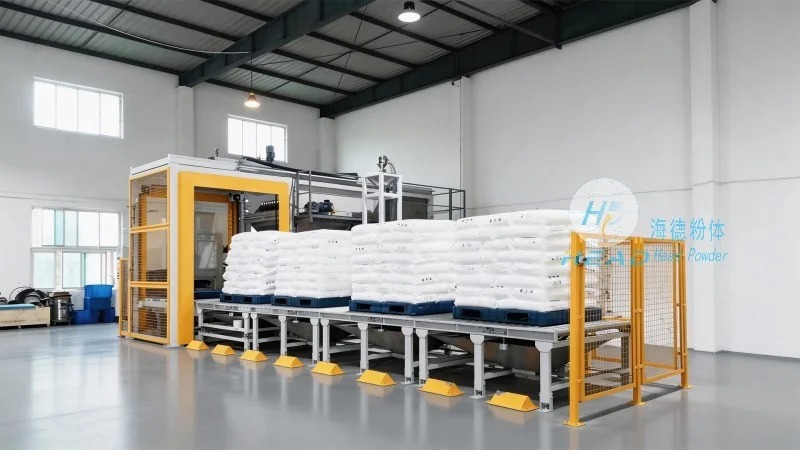
Shandong HeadPowder Engineering Co., Ltd., commonly referred to as headpowder, is a prominent manufacturer and supplier of advanced powder handling solutions. Headpowder specializes in the design, development, and production of equipment tailored for the transportation and processing of various powders, including activated carbon. With a strong commitment to innovation and quality, the company has built a reputation for delivering reliable and efficient systems that meet the diverse needs of clients across different industries. Headpowder's headquarters is located in Shandong, China, where the company leverages its extensive experience and technical expertise to create cutting-edge solutions for powder handling challenges.
Design Principles of Activated Carbon Powder Conveying Systems
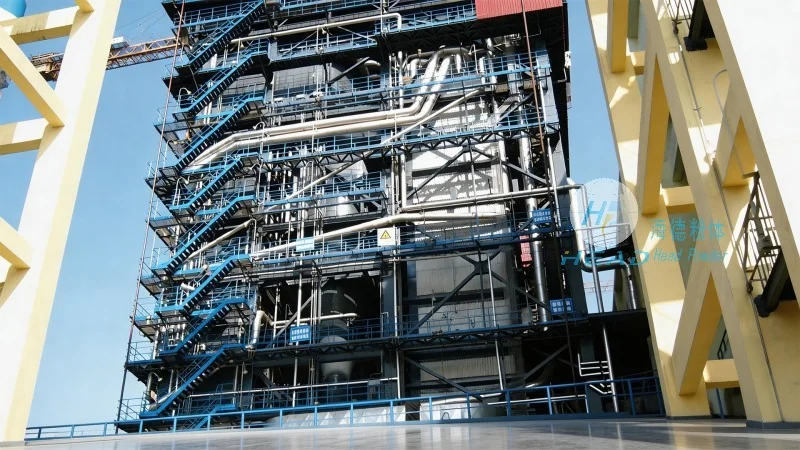
The design of activated carbon powder conveying systems is guided by several fundamental principles to ensure optimal performance, safety, and reliability. One of the primary design considerations is the minimization of dust generation and the maintenance of a clean working environment. This is achieved through the use of enclosed systems, such as pneumatic conveying lines or mechanical screw conveyors, which prevent the release of fine particles into the air. The systems are also designed with components like airlocks and rotary valves that control the flow of powder, reducing the risk of dust exposure and ensuring a controlled discharge process. Another critical principle is the control of material flow and pressure, which is essential for consistent and efficient operation. The design incorporates pressure vessels and flow meters to monitor and regulate the movement of activated carbon powder, preventing blockages and ensuring smooth transport from the storage hopper to the processing equipment.
Key Components and Their Functions in the System
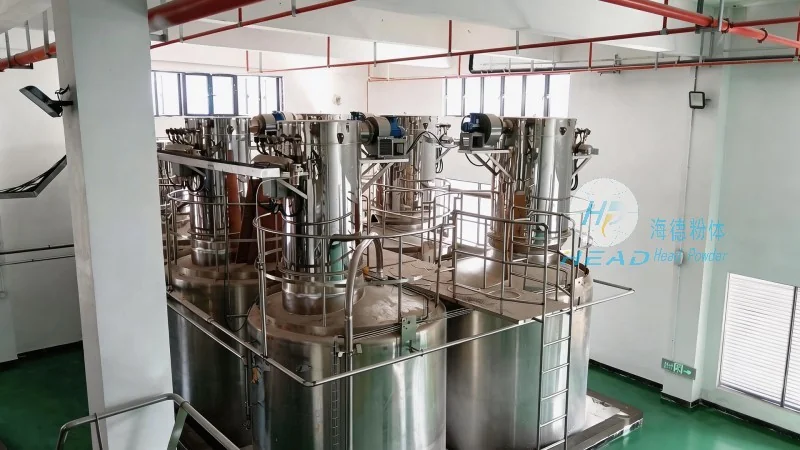
Activated carbon powder conveying systems typically consist of several key components, each playing a vital role in the overall operation. The storage hopper serves as the primary container for the activated carbon powder, providing a large capacity to store the material and maintain a consistent supply. The hopper is equipped with a discharge valve, such as a rotary airlock or a gate valve, which regulates the flow of powder into the conveying line. The conveying line itself can be either pneumatic or mechanical, depending on the specific application requirements. Pneumatic systems utilize compressed air to transport the powder through pipes, while mechanical systems rely on screws or belts to move the material. The system also includes a dust collection system, which captures any particles that may escape during the conveying process and returns them to the hopper, minimizing material loss and maintaining a clean environment. Additionally, the system may include filters and separators to ensure that the activated carbon powder remains free of contaminants and is delivered in a consistent quality.
Operational Considerations and Maintenance
Proper operation and regular maintenance are essential for the longevity and efficiency of activated carbon powder conveying systems. The systems require regular cleaning to prevent the buildup of powder residue, which can affect performance and cause blockages. Maintenance activities include checking the condition of components like rotary valves, airlocks, and conveyor belts, ensuring they are in good working order. Additionally, monitoring the system's pressure and flow rates is crucial to detect any issues early and prevent system failures. Headpowder recommends following a regular maintenance schedule to ensure the system operates at peak performance and meets the required safety standards. By adhering to these operational guidelines, users can maximize the lifespan of their equipment and maintain consistent production output.
Conclusion
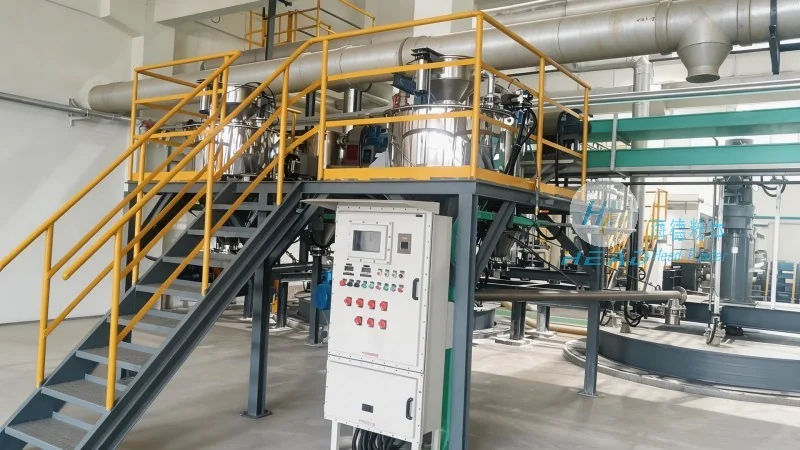
Activated carbon powder conveying systems are sophisticated equipment designed to handle the unique challenges of activated carbon powder transportation. The design principles and components of these systems are tailored to ensure efficient, safe, and reliable operation. With the expertise of manufacturers like Shandong HeadPowder Engineering Co., Ltd., clients can access high-quality equipment that meets their specific needs. By understanding the design and operational aspects of these systems, users can make informed decisions and optimize their industrial processes for better performance and productivity.