

What is a PVC Powder Conveying Machine? What are its Design Principles?
For industrial applications involving the handling of PVC (polyvinyl chloride) powders, efficient and reliable conveying systems are essential. A PVC powder conveying machine, also known as a PVC powder conveyor, is a specialized piece of equipment designed to transport PVC powder from one location to another within a production facility. These machines are crucial in processes such as PVC resin handling, compounding, and processing, where consistent and controlled movement of the powder is required to maintain product quality and operational efficiency.
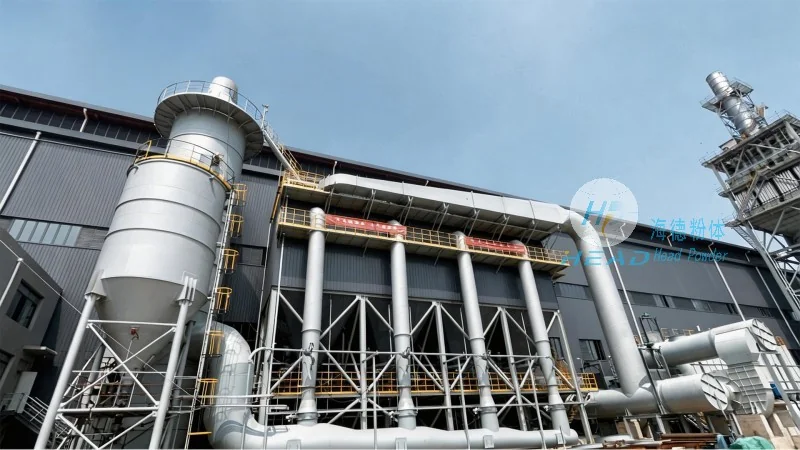
Key Components and Design Principles of PVC Powder Conveying Machines
The design of a PVC powder conveying machine is built around several key components that work together to ensure effective powder transport. The primary components include a hopper for material storage, a conveyor mechanism (such as a screw conveyor, pneumatic conveyor, or belt conveyor), and control systems for regulating flow and speed. The choice of component depends on the specific characteristics of the PVC powder, including its density, flowability, and potential for caking or bridging.
One of the most critical design principles is the prevention of material degradation and contamination. PVC powders are sensitive to moisture and heat, which can affect their polymerization and processing properties. Therefore, conveying machines are often equipped with features like airtight seals, temperature-controlled environments, and material handling components made from non-reactive materials to minimize exposure to external factors. Additionally, the design must address the risk of powder accumulation and blockages, which can lead to system inefficiencies or equipment damage. Solutions such as vibration systems, agitators, and self-cleaning mechanisms are integrated into the design to mitigate these issues.
How PVC Powder Conveying Machines Function
The operation of a PVC powder conveying machine typically involves the following steps: First, the PVC powder is fed into the hopper from a storage silo or batch container. The hopper is designed to hold a sufficient quantity of material to ensure continuous operation without frequent refilling. Next, the conveyor mechanism is activated, either by gravity, mechanical force, or pneumatic pressure, to move the powder through the system. In screw conveyors, for example, a rotating screw inside a tube pushes the powder forward, while in pneumatic conveyors, compressed air is used to create a flow of powder through a pipeline.
During the conveying process, the machine may include intermediate stations for mixing, blending, or processing the powder. These stations can be equipped with additional components like mixers or agitators to ensure uniformity in the material. The final stage involves discharging the powder into the next stage of the production process, such as a compounding machine or a molding equipment. The control system plays a vital role in monitoring and adjusting the conveying rate, ensuring that the flow remains consistent and within the desired parameters.
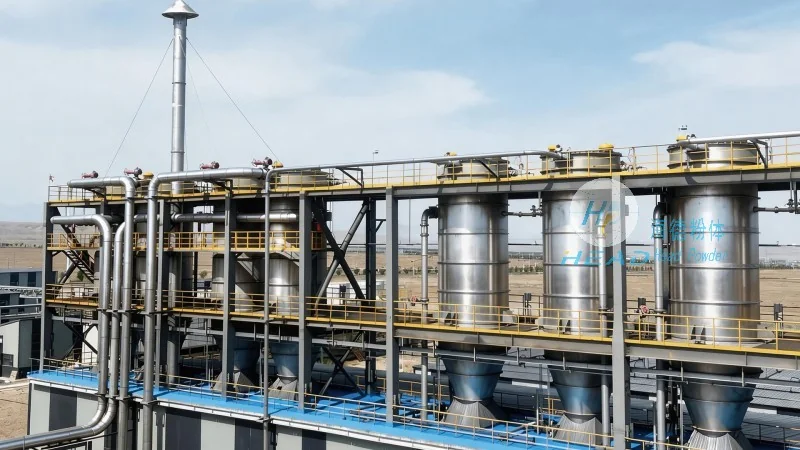
Benefits of Using PVC Powder Conveying Machines
Implementing a PVC powder conveying machine offers several advantages for industrial operations. Firstly, it enhances operational efficiency by automating the material handling process, reducing the need for manual labor and minimizing the risk of human error. This leads to increased production throughput and reduced downtime. Secondly, the controlled environment of the conveying system helps maintain the quality of the PVC powder, preventing contamination and degradation that could affect the final product's properties. This is particularly important in applications where the powder is used in high-value products, such as automotive parts or medical devices.
Thirdly, the design of these machines allows for flexibility in handling different types of PVC powders, including various grades and additives. This adaptability makes them suitable for a wide range of applications, from small-scale compounding to large-scale manufacturing. Additionally, the use of automated control systems enables precise monitoring and adjustment of the conveying process, ensuring that the material is transported at the optimal rate and under the right conditions.
Applications of PVC Powder Conveying Machines
PVC powder conveying machines are widely used in various industries that rely on PVC resin processing. In the PVC compounding industry, these machines are essential for transporting raw PVC powder to the compounding equipment, where it is mixed with additives like plasticizers, stabilizers, and fillers. This process is critical for creating PVC compounds with specific properties, such as flexibility, durability, and resistance to chemicals. In the PVC manufacturing industry, the conveying machines are used to move the compounded PVC to extrusion or molding machines, where it is converted into final products like pipes, sheets, and profiles.
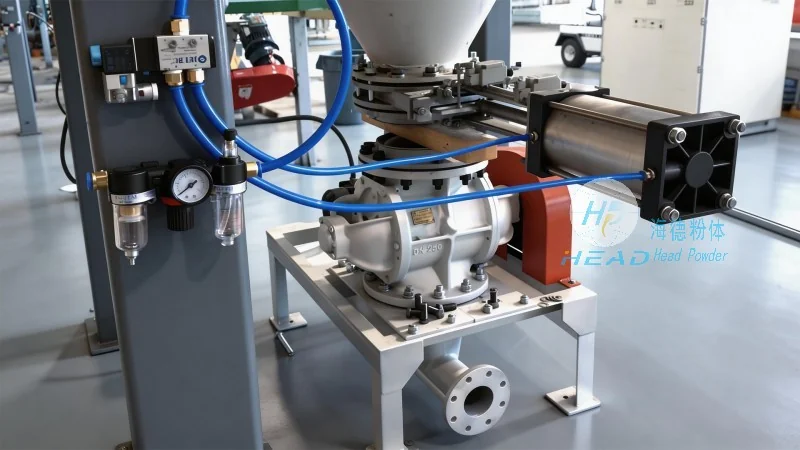
In addition to compounding and manufacturing, PVC powder conveying machines are also used in recycling applications. As the demand for sustainable practices increases, the recycling of PVC waste is becoming more common. These machines help in the efficient handling of recycled PVC powders, ensuring that the material is processed correctly and without contamination. This contributes to the circular economy by reducing the need for virgin PVC and minimizing environmental impact.
Choosing the Right PVC Powder Conveying Machine
When selecting a PVC powder conveying machine, several factors must be considered to ensure it meets the specific needs of the operation. The first consideration is the type of PVC powder being handled, including its particle size, moisture content, and flow characteristics. Different conveying systems are better suited for different powder types—for example, a screw conveyor may be ideal for free-flowing powders, while a pneumatic conveyor is more suitable for powders with higher moisture content or those prone to caking.
Another important factor is the capacity and throughput requirements of the operation. The machine must be able to handle the desired volume of material without causing bottlenecks or overloading. This involves evaluating the conveyor speed, hopper size, and discharge rate to ensure they align with the production schedule. Additionally, the material of construction is a critical factor, as the conveying components must be resistant to the chemical properties of PVC and any additives used in the process. Stainless steel or specialized plastics are often used to prevent corrosion and ensure longevity.
Finally, the integration with existing production systems is a key consideration. The conveying machine should be compatible with the control systems and other equipment in the facility to ensure seamless operation. This includes evaluating the electrical requirements, communication protocols, and maintenance needs of the machine. By carefully considering these factors, manufacturers can select a PVC powder conveying machine that optimizes performance, efficiency, and cost-effectiveness.