

What is a High-Temperature Fly Ash Powder Conveying System Equipment? What are its Design Principles
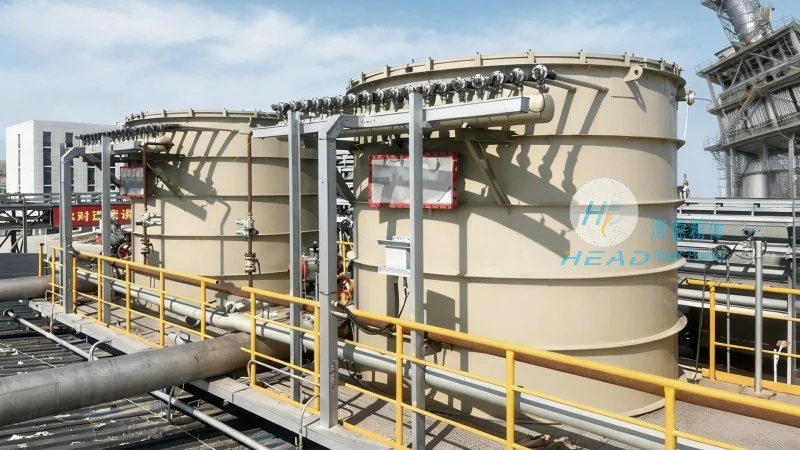
High-temperature fly ash powder conveying systems are specialized industrial equipment designed to handle and transport high-temperature, fine particulate materials like fly ash from power plants or other industrial processes. These systems are crucial for efficient material handling, ensuring safe and reliable transport of the powder under challenging thermal and mechanical conditions.
Introduction to High-Temperature Fly Ash Powder Conveying Systems
High-temperature fly ash powder conveying systems are specialized industrial equipment designed to handle and transport high-temperature, fine particulate materials like fly ash from power plants or other industrial processes. These systems are crucial for efficient material handling, ensuring safe and reliable transport of the powder under challenging thermal and mechanical conditions.
Key Components and Design Considerations
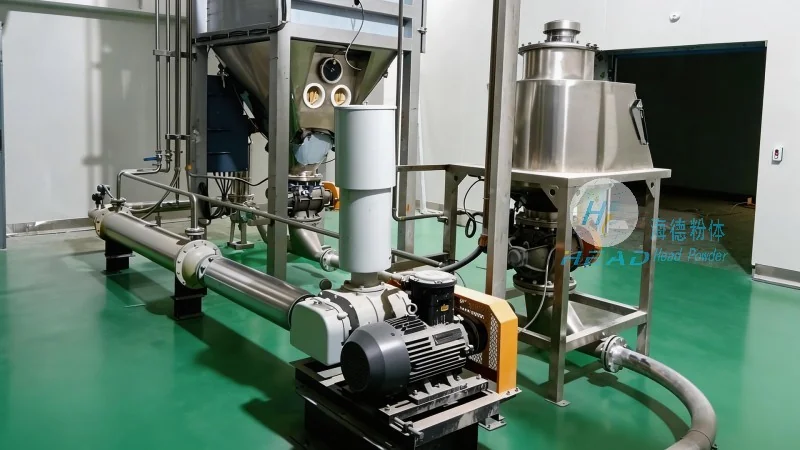
The design of a high-temperature fly ash powder conveying system involves several critical components, each engineered to withstand extreme temperatures and maintain operational efficiency. Key components include high-temperature resistant ducts, specialized pumps or airlocks, and temperature control mechanisms. The ductwork is typically made from materials such as stainless steel or heat-resistant alloys to prevent corrosion and maintain structural integrity at elevated temperatures. The pumping or airlock systems are designed to handle the abrasive nature of fly ash, ensuring consistent flow rates and minimizing material degradation.
Working Principle of the Conveying Process
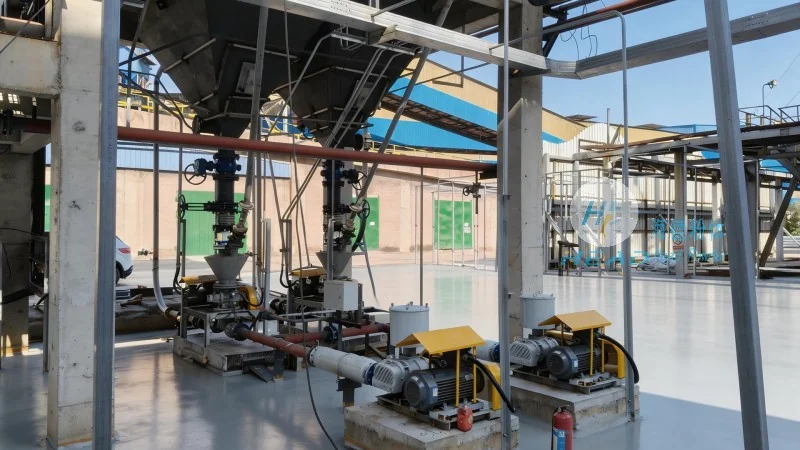
The operation of a high-temperature fly ash powder conveying system is based on the principle of pneumatic or mechanical transport. In pneumatic systems, compressed air is used to create a flow that carries the fly ash particles through the ducts. The system includes a hopper for material storage, a feeder to control the flow rate, and a receiver to collect the transported material. Mechanical systems, such as screw conveyors or belt conveyors, use rotating components to move the material. Both systems are designed to handle temperatures up to several hundred degrees Celsius, with additional cooling or insulation features to protect the equipment from thermal stress.
Advantages of Using High-Temperature Fly Ash Powder Conveying Systems
Implementing a high-temperature fly ash powder conveying system offers several advantages for industrial operations. These systems enhance material handling efficiency by reducing the need for manual labor and minimizing material loss during transport. They also improve safety by containing the high-temperature material within a sealed system, preventing dust emissions and thermal hazards. Additionally, the systems are designed for durability and long-term reliability, with components that can withstand continuous operation in harsh environments.
Company Profile: Shandong HeadPowder Engineering Co., Ltd.
Shandong HeadPowder Engineering Co., Ltd., commonly known as HeadPowder, is a leading manufacturer specializing in the design and production of high-temperature fly ash powder conveying systems. With a focus on engineering excellence and customer satisfaction, HeadPowder has established itself as a trusted partner in the industrial material handling sector. The company is headquartered in Shandong, China, and leverages advanced technology and rigorous quality control to deliver innovative solutions tailored to the specific needs of clients.
Application Scenarios and Industry Impact
High-temperature fly ash powder conveying systems are widely used in power generation, cement production, and other industrial sectors where fly ash is a byproduct. These systems facilitate the efficient utilization of fly ash, which can be used as a raw material in cement production or as a supplementary cementitious material (SCM) to improve concrete properties. By enabling the safe and efficient transport of fly ash, these systems contribute to sustainable industrial practices and resource optimization.