

What is a Negative Electrode Material Powder Conveying System Equipment? And What Are Its Design Pri
For clients in the battery material industry, understanding the negative electrode material powder conveying system equipment is crucial for optimizing production processes and ensuring material handling efficiency. This article will introduce the key aspects of such equipment, including its functions, design principles, and the role it plays in the battery manufacturing workflow.
Introduction to Negative Electrode Material Powder Conveying System Equipment
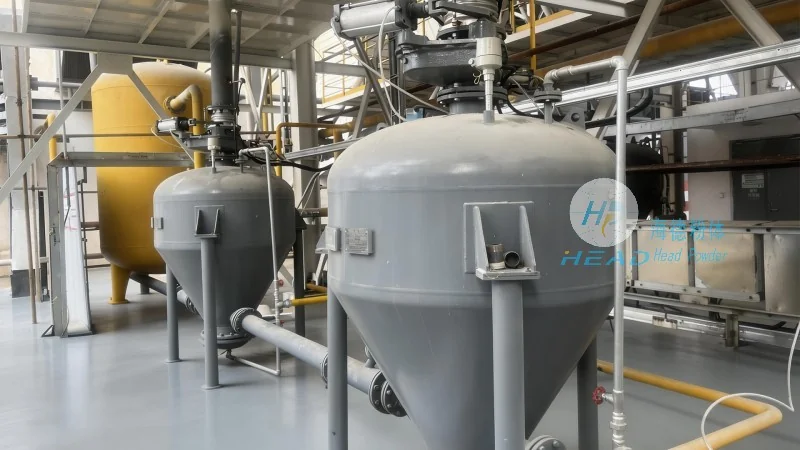
The negative electrode material powder conveying system equipment is a specialized device used to transport and handle fine powders, typically used in the production of lithium-ion battery negative electrodes. These materials, such as graphite, silicon, or other carbon-based compounds, require precise handling to maintain their particle size distribution and avoid agglomeration or contamination. The conveying system ensures that these powders are moved safely and efficiently from storage to processing units, such as mixing, coating, or pressing stations.
Key Components and Functions of the Conveying System
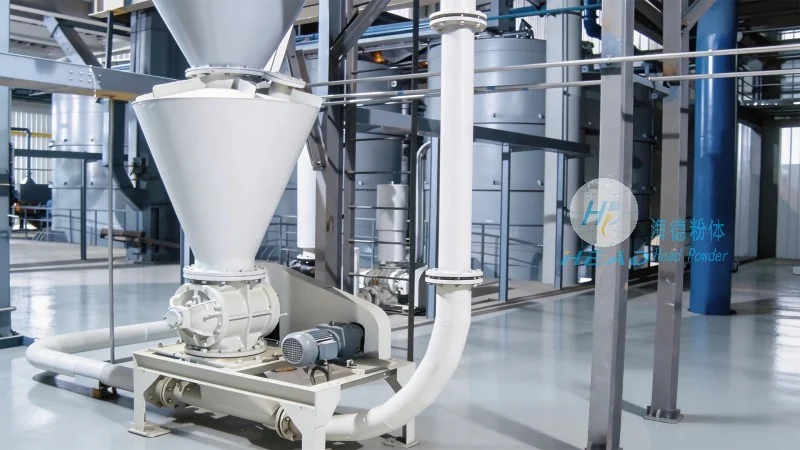
The negative electrode material powder conveying system typically consists of several key components, each designed to perform specific functions in the material handling process. These components include hoppers for material storage, feeding mechanisms to control the flow rate, conveying lines (either pneumatic or mechanical), and control systems to monitor and regulate the operation. The system is engineered to handle the unique properties of battery negative electrode powders, which often have high specific surface areas and can be prone to static electricity, requiring special measures to prevent dust explosions and ensure material integrity.
Design Principles for Efficient Powder Conveying
The design of a negative electrode material powder conveying system is based on several critical principles to ensure optimal performance. First, the system must consider the physical and chemical properties of the powder, such as particle size, density, and moisture content, to select the appropriate conveying method. For example, pneumatic conveying systems are often used for fine powders due to their ability to handle high volumes and maintain particle integrity, while mechanical systems like screw conveyors may be used for bulkier materials or in environments where air quality is a concern.

Second, the design emphasizes safety and compliance with industry standards. Battery material handling involves hazardous materials, and the system must incorporate features like explosion-proof designs, dust collection systems, and grounding to prevent static buildup. Additionally, the system is designed for easy maintenance and cleaning to minimize downtime and ensure consistent product quality.
Application in Battery Manufacturing Workflow
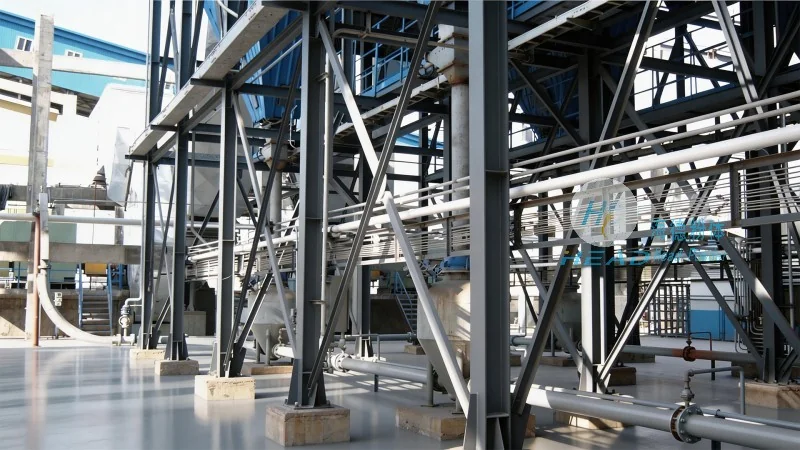
The negative electrode material powder conveying system is an integral part of the battery manufacturing process, working in tandem with other equipment to ensure a smooth production line. From raw material storage to the final coating stage, the system ensures that negative electrode powders are delivered to the right location at the right time, with minimal loss or degradation. This integration helps manufacturers achieve higher production throughput, reduce material waste, and maintain consistent product specifications.
Conclusion
In summary, the negative electrode material powder conveying system equipment is a sophisticated solution designed to handle the unique challenges of battery material processing. By understanding its components, design principles, and applications, manufacturers can optimize their production processes and improve overall efficiency. As the demand for lithium-ion batteries continues to grow, the importance of reliable and efficient powder conveying systems becomes increasingly critical in meeting industry standards and customer expectations.