

What is a Dry Sand Powder Conveying System Equipment? What are its Design Principles?
Understanding the dry sand powder conveying system equipment and its design principles is crucial for industries that rely on efficient material handling. This equipment is specifically engineered to transport dry sand and other fine powders in a controlled and reliable manner, ensuring minimal loss and optimal performance. The system combines advanced engineering with practical application to meet the demands of various industrial processes.
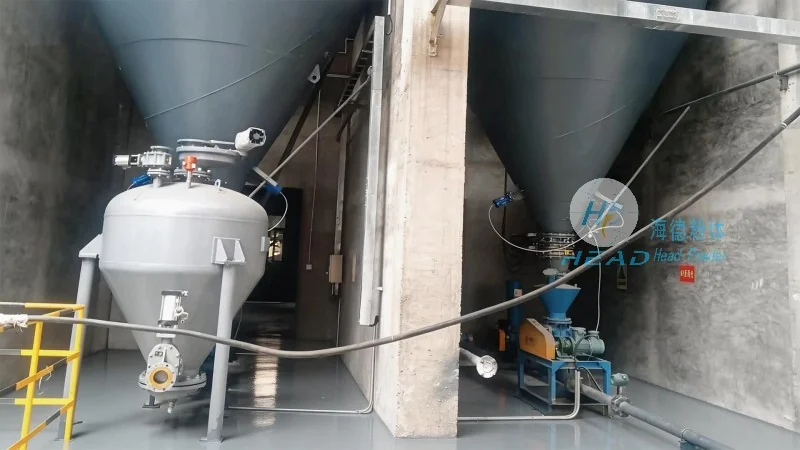
Introduction to Dry Sand Powder Conveying Systems
A dry sand powder conveying system is a specialized piece of industrial equipment designed to move dry sand and other fine powders from one location to another. Unlike traditional liquid or bulk material handling methods, this system operates by using air or mechanical forces to transport the material through a pipeline or duct. The primary goal is to achieve efficient, low-cost, and low-damage transportation of dry powders, which is essential in sectors such as construction, mining, and manufacturing.
Key Components of the Conveying System
The dry sand powder conveying system typically consists of several key components that work in tandem to ensure smooth operation. These components include a material feed hopper, a conveying mechanism (such as a screw conveyor or pneumatic duct), a control system, and a discharge outlet. The feed hopper is responsible for storing and feeding the dry sand into the system, while the conveying mechanism transports the material through the pipeline. The control system manages the flow rate and pressure, ensuring consistent performance. The discharge outlet then releases the material at the desired location.
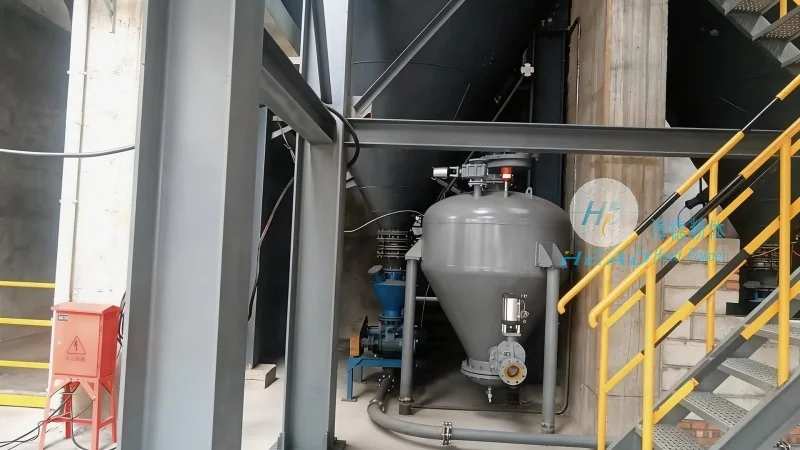
Design Principles Behind the System
The design principles of a dry sand powder conveying system are centered on efficiency, reliability, and minimal material degradation. Engineers focus on optimizing the system to handle the specific properties of dry sand, such as its particle size, density, and flow characteristics. The system is designed to minimize dust generation and prevent material buildup, which can lead to blockages or equipment failure. Additionally, the design considers energy efficiency, aiming to reduce operational costs while maintaining high throughput rates.
How the System Works in Practice
In practice, the dry sand powder conveying system operates by first loading the dry sand into the feed hopper. The material is then fed into the conveying mechanism, which uses air pressure or mechanical force to move the sand through the pipeline. The control system monitors the flow rate and adjusts the pressure as needed to maintain consistent performance. The system is designed to handle varying loads and material types, making it versatile for different industrial applications. The discharge outlet then delivers the dry sand to the target location, completing the transportation process.
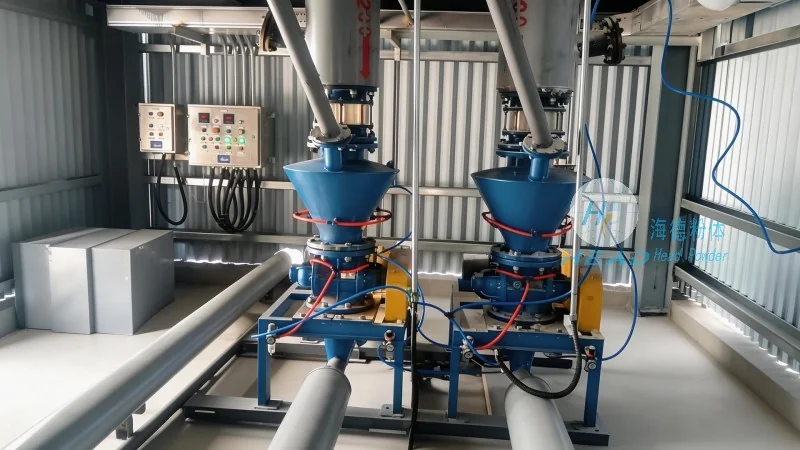
Benefits of Using a Dry Sand Powder Conveying System
Implementing a dry sand powder conveying system offers several advantages for industrial operations. One of the key benefits is the reduction in material loss and contamination, as the system minimizes exposure to the environment. Additionally, the system improves safety by reducing the need for manual handling of dry powders, which can be hazardous. The efficiency of the system also leads to lower operational costs and increased productivity, as it can handle large volumes of material with minimal downtime. Furthermore, the system is designed to be durable and long-lasting, providing reliable service over an extended period.
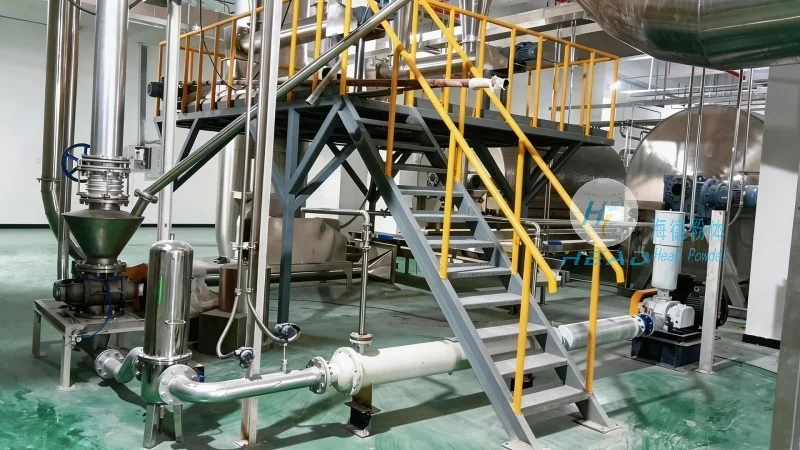
Applications in Different Industries
Dry sand powder conveying systems are widely used across various industries due to their versatility and effectiveness. In the construction industry, they are used to transport sand for concrete production and other building materials. In the mining sector, they help in transporting fine powders from processing plants to storage facilities. The manufacturing industry also benefits from these systems, as they are used to handle powders in production lines, such as in the production of ceramics or pharmaceuticals. Each application leverages the system's ability to handle dry powders efficiently and reliably, ensuring smooth operations and consistent quality.
Conclusion
In conclusion, the dry sand powder conveying system equipment is a vital component in modern industrial operations, designed to efficiently transport dry sand and other fine powders. Its design principles focus on optimizing performance, reliability, and energy efficiency, making it an essential tool for industries that rely on material handling. By understanding the components and principles behind this system, businesses can make informed decisions about implementing such equipment to enhance their operational efficiency and productivity.