

What is a Small Bean Powder Handling System Equipment? What Are Its Design Principles?
For industries dealing with small bean powders, efficient and reliable handling systems are crucial. The Small Bean Powder Handling System Equipment, developed by Shandong HeadPowder Engineering Co., Ltd., addresses the challenges of transporting and managing these fine particles. This equipment is designed to ensure smooth operation, minimize material loss, and enhance overall production efficiency.
Company Overview: Shandong HeadPowder Engineering Co., Ltd.
Headpowder, the professional manufacturer behind this advanced system, is based in Shandong, China. With years of experience in powder handling technology, the company specializes in providing customized solutions for various industrial applications. The company's commitment to quality and innovation has made it a trusted name in the industry, offering equipment that meets international standards and customer-specific requirements.
Design Principles of the Small Bean Powder Handling System
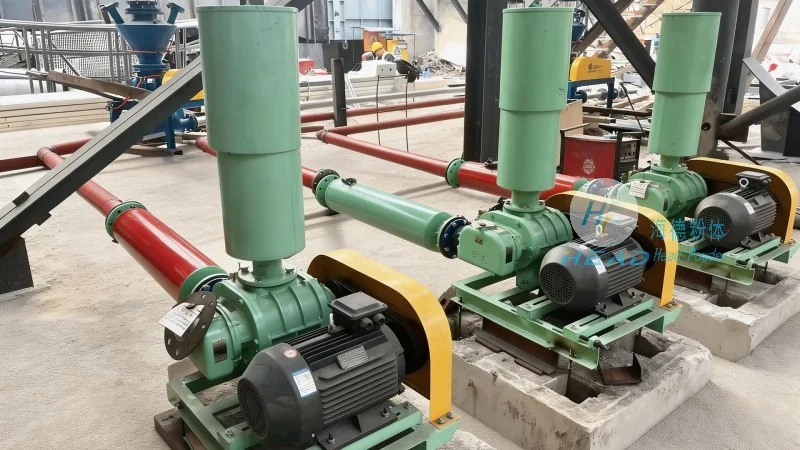
The design of the Small Bean Powder Handling System Equipment is based on several key principles to ensure optimal performance. First, the system utilizes a combination of pneumatic and mechanical components to handle the delicate nature of small bean powders. The pneumatic conveying section is engineered to maintain consistent air pressure and flow, preventing particle agglomeration and ensuring uniform distribution. Mechanical components, such as rotary valves and feeders, are designed with precision to control the flow rate and prevent blockages.
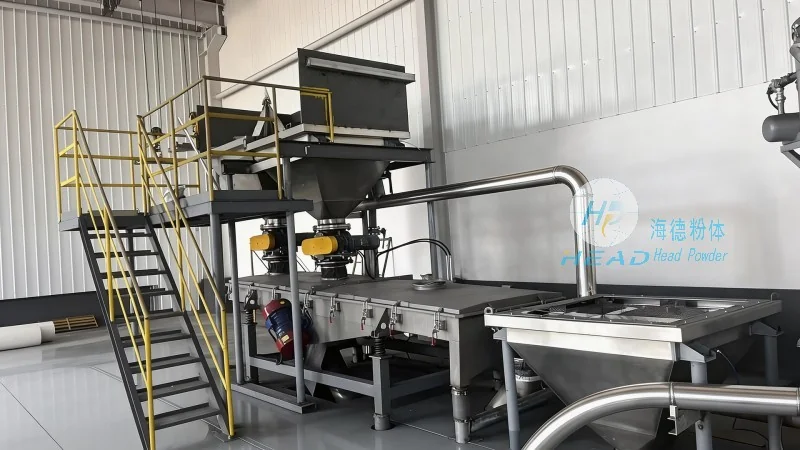
Second, the system incorporates advanced control systems that allow for real-time monitoring and adjustment. This feature enables operators to adjust parameters like air pressure, flow rate, and particle size distribution on the fly, ensuring that the system operates at peak efficiency. The control panel is user-friendly, with clear indicators and intuitive controls, making it easy for operators to manage the system without extensive training.
Key Features and Benefits
The Small Bean Powder Handling System Equipment offers several advantages that make it ideal for industrial use. One of the primary benefits is its ability to handle fine powders without causing degradation or loss. The system's design minimizes friction and impact, preserving the quality of the small bean powder. Additionally, the equipment is highly efficient in terms of energy consumption, reducing operational costs for the user.
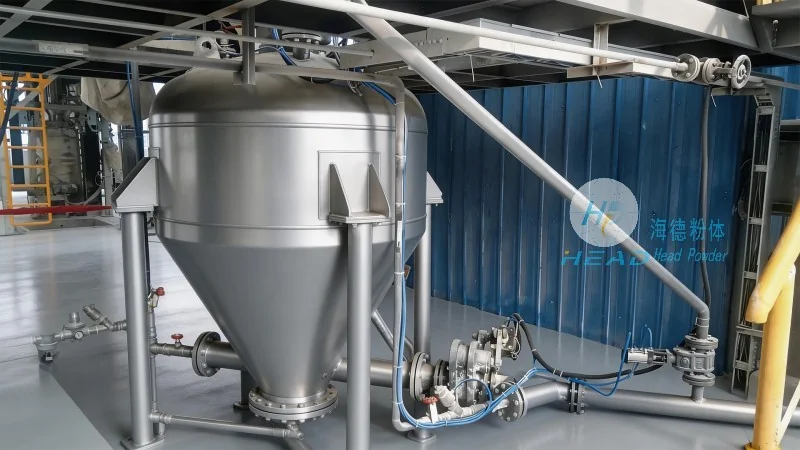
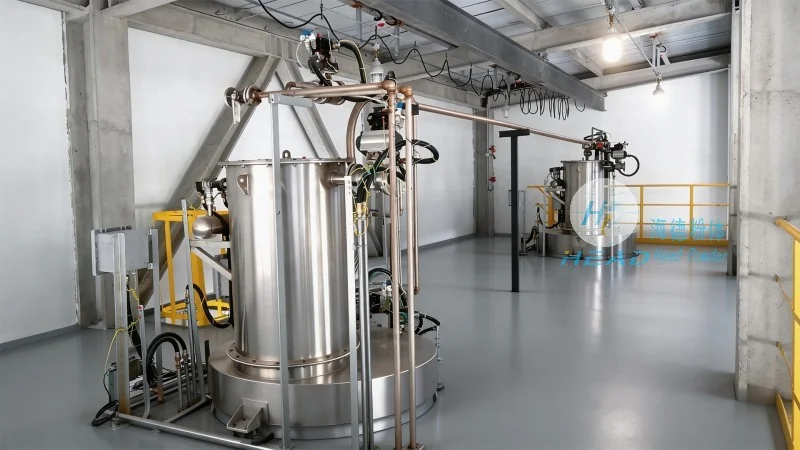
Another significant benefit is the system's adaptability. It can be customized to handle different types of small bean powders, including those with varying moisture content or particle sizes. The modular design allows for easy integration with existing production lines, minimizing downtime during installation. The system also features robust construction, ensuring long-term durability and low maintenance costs.
Applications and Industries
The Small Bean Powder Handling System Equipment is widely used in various industries that require the handling of small bean powders. These include food processing, pharmaceuticals, and chemical manufacturing. In the food industry, the system is used to transport ingredients like cocoa powder, coffee powder, and other fine food additives. In pharmaceuticals, it is used to handle active pharmaceutical ingredients (APIs) and excipients, ensuring precise dosing and uniformity. In chemical manufacturing, the system is used to transport raw materials and intermediates, improving production throughput.
Conclusion
Shandong HeadPowder Engineering Co., Ltd.'s Small Bean Powder Handling System Equipment is a reliable and efficient solution for industries dealing with small bean powders. The system's design, based on advanced principles and robust construction, ensures optimal performance and minimal maintenance. With its adaptability and user-friendly controls, the equipment is suitable for a wide range of applications, making it an essential component for modern industrial operations. By choosing this system, businesses can enhance their production efficiency, reduce costs, and maintain the quality of their products.