

Regenerated Sand Powder Conveying System Equipment: Exploring Its Function and Design Principles
Regenerated sand powder conveying systems represent a critical component in modern industrial processes, particularly in foundries and casting operations where efficient material handling is paramount. These systems are engineered to transport sand, a key raw material in the production of metal castings, with precision and reliability. The equipment plays a vital role in optimizing the workflow, reducing material waste, and enhancing overall production efficiency.
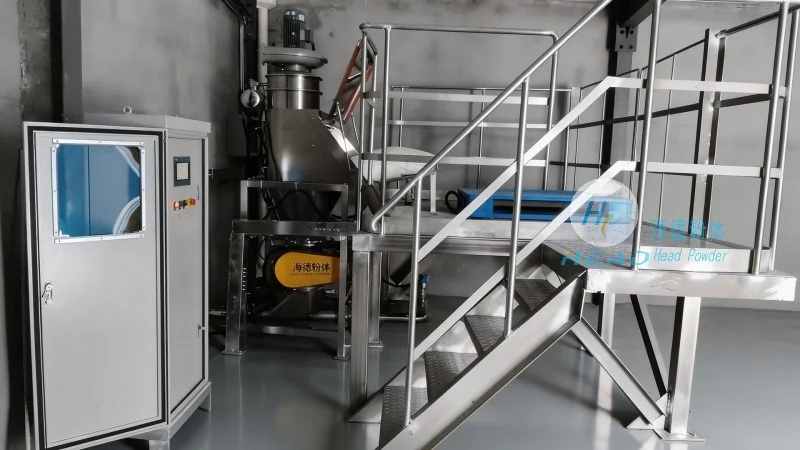
Understanding the Core Components of a Regenerated Sand Powder Conveying System
The regenerated sand powder conveying system typically consists of several interconnected components that work in harmony to achieve efficient material transport. At the heart of the system is the conveyor itself, which may be a screw conveyor, pneumatic conveyor, or a combination of both, depending on the specific application requirements. The screw conveyor utilizes rotating screws to move sand particles through a tube or trough, while pneumatic conveyors use air pressure to propel the material. Additionally, the system may include a hopper for material storage, a feeder to control the flow rate, and a control panel to monitor and adjust the operation. Each component is designed to ensure smooth and consistent movement of the sand, minimizing the risk of clogging or material degradation.
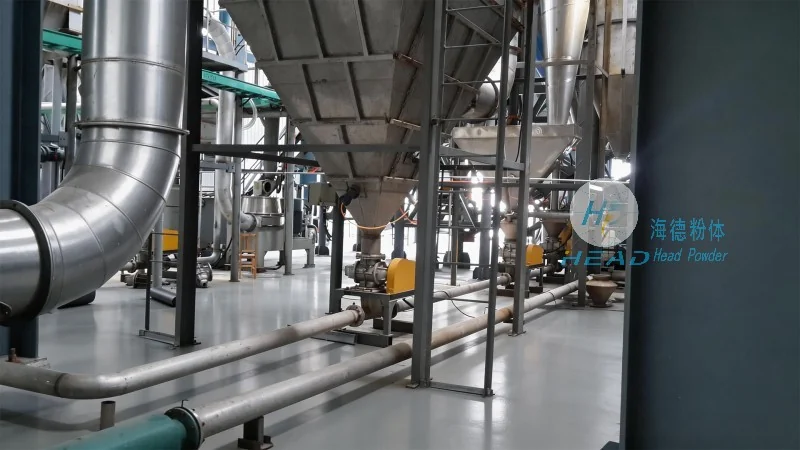
Design Principles Underpinning the System's Operation
The design of a regenerated sand powder conveying system is guided by several fundamental principles aimed at maximizing efficiency and reliability. One of the primary principles is the minimization of material attrition, which is crucial for maintaining the quality of the sand. The system employs materials such as stainless steel or specialized coatings for the conveyor components to reduce friction and prevent wear. Another key principle is the optimization of air flow in pneumatic systems, ensuring that the sand particles are adequately suspended and transported without excessive pressure loss. The design also considers the need for easy maintenance and cleaning, as the system may need to handle sand that contains impurities or moisture. By adhering to these principles, the system achieves high throughput rates while preserving the integrity of the sand.
Applications and Benefits in Industrial Settings
Regenerated sand powder conveying systems are widely used in various industrial applications, particularly in the foundry industry. They are essential for transporting sand from storage bins to molding machines, ensuring a continuous and uninterrupted supply of material. The systems are also used in sand reclamation processes, where used sand is recycled and conveyed back to the molding area. The benefits of these systems extend beyond material handling; they contribute to improved production quality, reduced labor costs, and enhanced safety in the workplace. By automating the sand transport process, the systems minimize the need for manual handling, which can be hazardous and inefficient. Furthermore, the consistent flow of sand helps maintain uniform casting quality, reducing defects and rework.
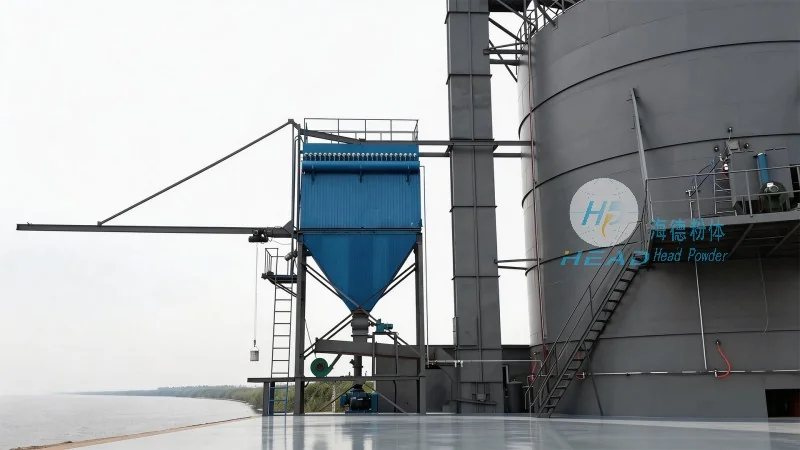
Company Overview: Shandong HeadPowder Engineering Co., Ltd.
HeadPowder, a leading manufacturer of industrial conveying equipment, specializes in the design and production of regenerated sand powder conveying systems. With years of experience in the industry, the company has developed a reputation for delivering high-quality, reliable equipment tailored to the specific needs of its clients. HeadPowder's products are engineered to meet the stringent requirements of modern foundries, ensuring durability, efficiency, and ease of maintenance. The company's commitment to innovation and customer satisfaction has made it a trusted partner for businesses seeking to optimize their sand handling processes. HeadPowder's facilities are located in Shandong, China, where the company leverages advanced manufacturing techniques and skilled workforce to produce top-tier conveying systems.