

What is a Cement Raw Material Powder Conveying Machine? And What Are Its Design Principles?
For manufacturers in the cement industry, efficient handling of raw material powders is a critical aspect of production. The cement raw material powder conveying machine, also known as a bulk material conveyor, plays a pivotal role in ensuring smooth material flow from storage to processing units. This equipment is designed to transport fine powders like limestone, clay, and iron ore, which are essential components in cement manufacturing. Understanding its functionality and design principles is vital for optimizing plant operations and maintaining productivity.

HeadPowder, a leading manufacturer based in Shandong, China, specializes in developing advanced solutions for material handling in cement production. With years of experience in the industry, the company has developed a range of conveying systems tailored to meet the specific needs of modern cement plants. The company's headquarters and primary operations are located in Shandong, providing a strong foundation for delivering high-quality equipment and technical support to clients worldwide.
Understanding the Core Function of the Equipment
The primary function of a cement raw material powder conveying machine is to transport bulk powders over long distances with minimal loss and maximum efficiency. These machines are typically used in the initial stages of cement production, where raw materials are sourced from quarries or storage silos and transported to the grinding and mixing units. The equipment must handle materials with varying particle sizes and moisture content, ensuring consistent performance under different operating conditions.
Key Design Principles and Technical Features
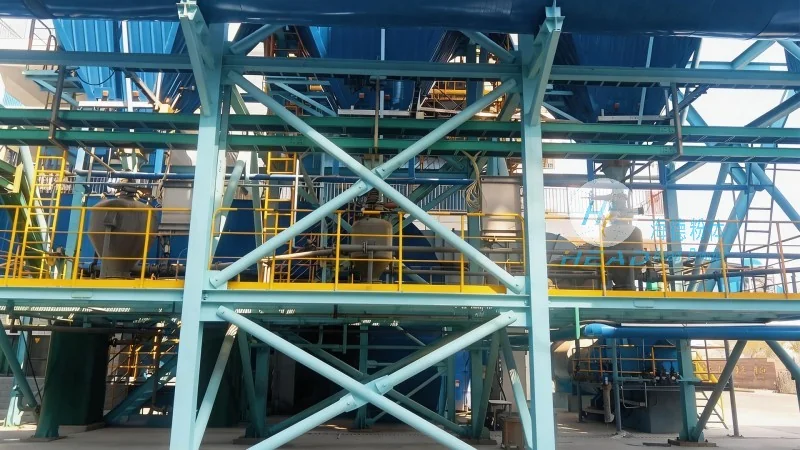
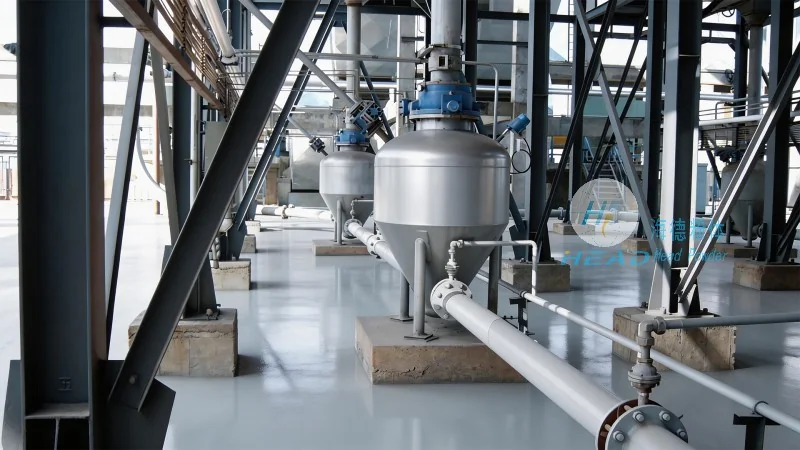
The design of a cement raw material powder conveying machine is based on several fundamental principles to ensure reliability and efficiency. One of the most critical aspects is the use of positive pressure or negative pressure systems to control material flow. Positive pressure systems, such as pneumatic conveyors, use compressed air to push materials through a pipeline, while negative pressure systems, like vacuum conveyors, use suction to draw materials into the system. Both methods have their advantages, and the choice depends on the specific material characteristics and plant layout.
Another key design feature is the material of construction. The conveying system must be made from materials that are resistant to corrosion and wear, as cement raw materials can be abrasive and may contain acidic components. Stainless steel, high-grade alloys, and special coatings are commonly used to extend the equipment's lifespan and maintain material purity. The machine also incorporates components like rotary valves, airlocks, and filters to ensure smooth material transfer and prevent dust emissions.
How the Machine Operates: A Step-by-Step Overview
The operation of a cement raw material powder conveying machine involves several key steps that work in tandem to achieve efficient material transport. First, raw materials are fed into the hopper or storage silo. From there, the material is drawn into the conveying line using either positive or negative pressure. The system then transports the material through a network of pipes to the processing units. At the receiving end, the material is discharged into a bin or storage tank. The process is typically automated, with sensors and control systems monitoring flow rates, pressure, and other parameters to maintain optimal performance.
The Importance of Material Handling Efficiency in Cement Production
Efficient material handling is crucial for maintaining high production rates and reducing operational costs in cement plants. Delays or inefficiencies in the conveying process can lead to bottlenecks, increased energy consumption, and higher maintenance costs. A well-designed cement raw material powder conveying machine minimizes these issues by ensuring consistent material flow, reducing material degradation, and preventing dust contamination. This not only improves overall plant productivity but also enhances safety by minimizing the risk of dust explosions and other hazards.
Customization and Application Flexibility for Different Production Lines
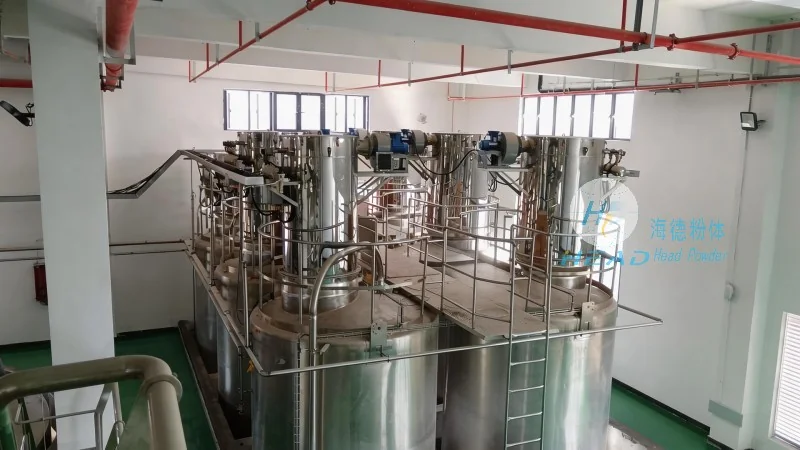
HeadPowder recognizes that cement plants have diverse requirements, and therefore, offers customized solutions for their conveying systems. The company works closely with clients to understand their specific production needs, including the type of raw materials, plant layout, and operational conditions. Based on this information, HeadPowder designs and manufactures equipment that is tailored to meet these requirements. This includes adjustable conveying capacities, variable speed controls, and modular components that can be easily integrated into existing production lines. The flexibility of the equipment allows cement manufacturers to adapt to changing production demands and scale their operations as needed.
Conclusion: Choosing the Right Equipment for Your Cement Plant
Selecting the appropriate cement raw material powder conveying machine is a critical decision for cement manufacturers aiming to optimize their production processes. The equipment must be reliable, efficient, and adaptable to the specific needs of the plant. HeadPowder, with its expertise and commitment to quality, provides a range of solutions that meet these criteria. By investing in a well-designed conveying system, cement plants can improve material handling efficiency, reduce operational costs, and enhance overall productivity. For manufacturers looking to upgrade their material handling capabilities, HeadPowder offers a reliable partner with a proven track record in the industry.