

Design Considerations for Mineral Sand Pneumatic Conveying Systems
When designing a pneumatic conveying system for mineral sands, several critical factors must be carefully evaluated to ensure optimal performance, efficiency, and longevity of the equipment. The process involves understanding the unique characteristics of the material being handled, such as particle size, density, moisture content, and flowability, as these properties directly impact the system's design and operational effectiveness.
Material Characterization and System Sizing
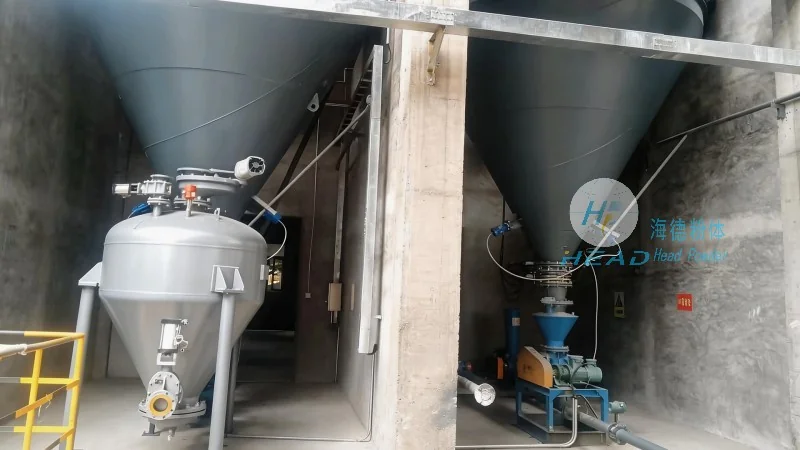
Accurate material characterization is the foundation of a successful pneumatic conveying system. For mineral sands, which often consist of fine to medium-sized particles with varying densities, it is essential to conduct thorough tests to determine key parameters like bulk density, angle of repose, and compressibility. These data points help in selecting the appropriate air velocity, pressure, and pipe diameter. For instance, headpowder, a leading engineering firm based in Shandong, China, emphasizes that precise material analysis ensures the system can handle the specific load requirements without excessive energy consumption or equipment wear.
System Configuration and Component Selection
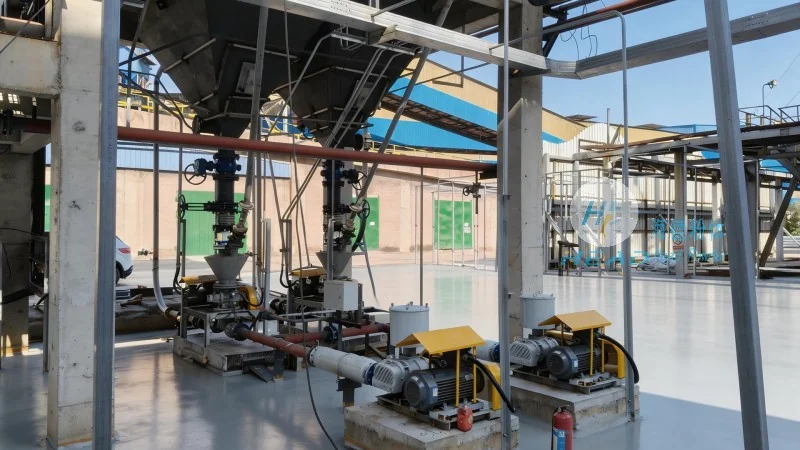
The configuration of the pneumatic conveying system, including the choice between positive and negative pressure systems, significantly influences its performance. Positive pressure systems, where air is blown into the material to move it, are commonly used for mineral sands due to their ability to handle abrasive particles and maintain consistent flow. The selection of components like blowers, cyclones, and filters is critical. For example, high-efficiency cyclones are essential for separating the conveyed material from the air stream, while robust blower units must be chosen to provide sufficient pressure and airflow. The engineering team at Shandong HeadPowder Engineering Co., Ltd. leverages advanced design software to simulate different configurations and select components that meet both operational and cost-effectiveness goals.
Pipe Sizing and Material of Construction
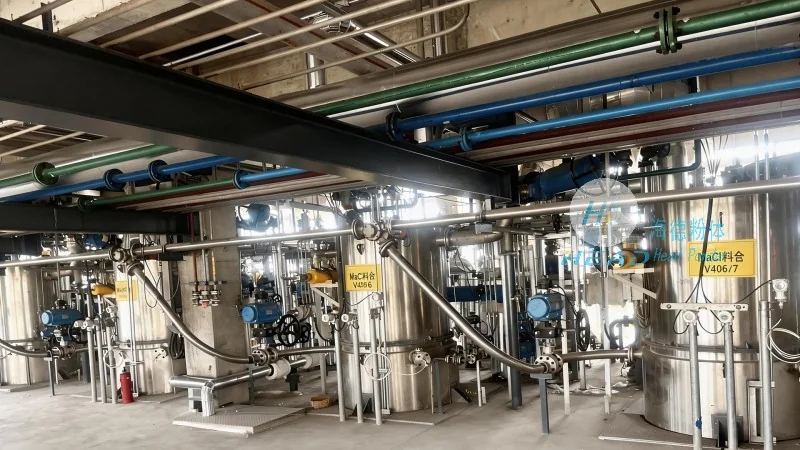
Pipe sizing is a critical design consideration that affects both system efficiency and cost. The diameter of the conveying pipe must be large enough to prevent particle segregation and excessive pressure drop, yet not overly large to avoid unnecessary material handling costs. For mineral sands, which can be abrasive, the material of construction is equally important. Stainless steel or high-grade alloy pipes are often preferred to withstand the wear from fine particles. The choice of pipe material also impacts the system's longevity and maintenance requirements. At HeadPowder, engineers consider factors like particle hardness, flow rate, and operating pressure when selecting the appropriate pipe material to ensure durability and minimal downtime.
Control Systems and Automation
Modern pneumatic conveying systems rely on sophisticated control systems to maintain optimal operation. These systems typically include sensors for pressure, flow, and level monitoring, along with automated controls to adjust air pressure and flow rates based on real-time conditions. For mineral sand applications, where consistent material flow is crucial, automation helps in preventing blockages and ensuring smooth operation. The control system should also include safety features to prevent overpressure or system failures. Shandong HeadPowder Engineering Co., Ltd. integrates advanced control technologies into their designs, enabling clients to achieve higher productivity and reduced operational risks.
Installation and Maintenance Considerations
The proper installation of the pneumatic conveying system is vital for its long-term performance. This includes ensuring proper alignment of components, correct positioning of cyclones and filters, and adequate space for maintenance access. Regular maintenance is also essential to keep the system running efficiently. For mineral sand systems, this may involve periodic cleaning of cyclones, checking blower performance, and inspecting pipe for wear. HeadPowder emphasizes that a well-planned maintenance schedule, combined with high-quality components, extends the system's lifespan and reduces unexpected downtime. The company's expertise in system installation and maintenance ensures that clients receive systems that are not only efficient but also easy to maintain over their operational life.
Environmental and Safety Compliance
Compliance with environmental and safety regulations is a critical aspect of pneumatic conveying system design, especially for mineral sand operations. Systems must be designed to minimize dust emissions and ensure safe operation for personnel. This may involve incorporating dust collection systems, explosion-proof components, and proper ventilation. The engineering team at Shandong HeadPowder Engineering Co., Ltd. adheres to international safety standards and environmental regulations when designing systems, ensuring that clients meet all legal requirements while maintaining operational efficiency. By prioritizing safety and environmental compliance, HeadPowder helps clients avoid costly penalties and maintain a positive reputation in their industry.