

What is a Steel Grit Material Conveying Line? And What Are Its Design Principles?
Steel grit material conveying lines are specialized industrial systems engineered to transport abrasive materials like steel grit, shot, or similar media efficiently and safely. These systems are crucial in various industrial applications, particularly in surface treatment and finishing processes, where the consistent movement of these abrasive particles is essential for optimal performance. Understanding the components and design principles of such a line is vital for industries seeking to enhance productivity and maintain equipment longevity.
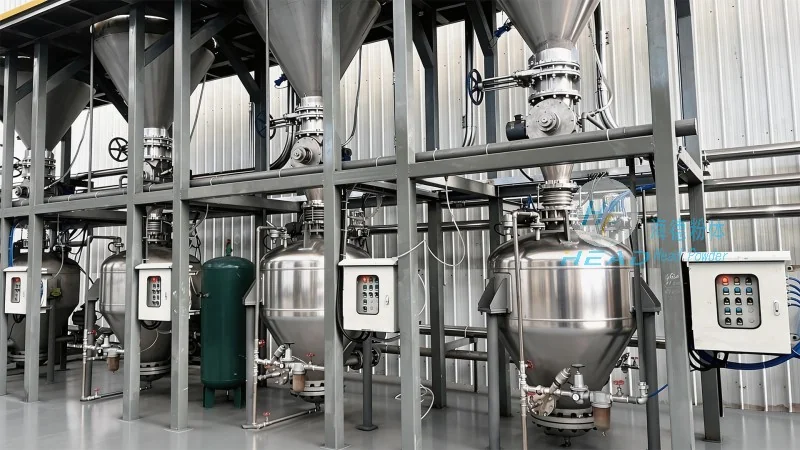
Understanding the Core Components of a Steel Grit Material Conveying Line
A typical steel grit material conveying line consists of several key components that work in tandem to ensure smooth operation. The primary elements include a hopper for material storage, a feeding mechanism to control the flow of grit, a conveyor system (such as a belt or screw conveyor) to transport the material, and a control system to regulate the entire process. Each component plays a critical role in maintaining the efficiency and safety of the conveying operation. The hopper is designed to hold a sufficient quantity of steel grit, ensuring a steady supply to the conveyor. The feeding mechanism, often a valve or feeder, controls the rate at which the grit is released, preventing overloading or underfeeding of the conveyor. The conveyor itself is engineered to handle the abrasive nature of steel grit, using materials like stainless steel or heavy-duty polymers to withstand wear and tear. Finally, the control system monitors parameters like flow rate, pressure, and temperature, allowing operators to adjust the process as needed for optimal performance.
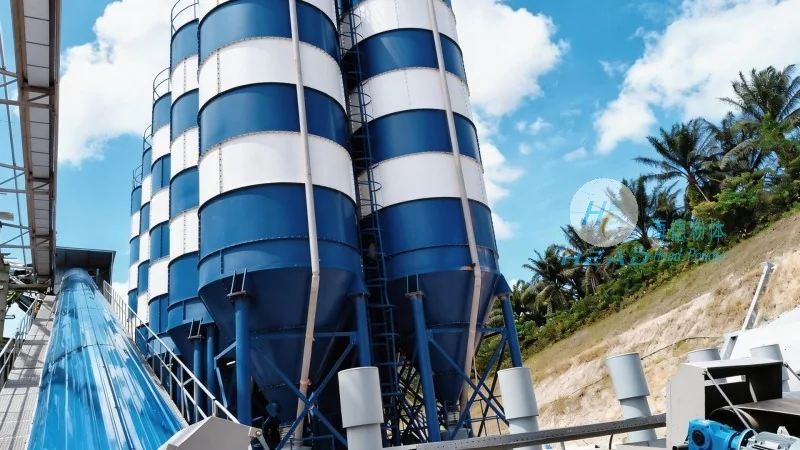
The Design Principles Behind Steel Grit Material Conveying Lines
The design of a steel grit material conveying line is guided by several fundamental principles aimed at maximizing efficiency, durability, and safety. One of the primary principles is the minimization of material degradation and equipment wear. This is achieved through the use of robust materials for the conveyor and hopper, such as stainless steel or high-strength polymers, which can withstand the abrasive nature of steel grit. Additionally, the design incorporates features like smooth surfaces and minimal sharp edges to reduce friction and prevent damage to the material and equipment. Another key principle is the optimization of flow control. Precise control over the flow rate of steel grit is essential to prevent clogging, ensure consistent processing, and maintain uniform material distribution. This is typically achieved through adjustable feeders and pressure sensors that monitor the system's performance in real-time. Furthermore, the design prioritizes safety by incorporating features like emergency stop buttons, protective guards, and dust collection systems to minimize the risk of accidents and environmental contamination. The integration of these principles results in a conveying line that is not only efficient but also reliable and safe for industrial use.
Applications and Industries That Benefit from Steel Grit Material Conveying Lines
Steel grit material conveying lines are widely used across various industries that rely on surface treatment and finishing processes. In the automotive industry, for example, these systems are essential for the shot blasting of car bodies, where steel grit is used to remove rust and scale from metal surfaces. The consistent and controlled movement of the grit ensures a uniform finish, which is critical for both aesthetics and corrosion resistance. In the aerospace industry, similar conveying lines are used for the finishing of aircraft components, where precision and durability are paramount. Other industries that benefit include metalworking, where steel grit is used for deburring and surface preparation, and the construction industry, where it is used for surface cleaning and preparation before painting or coating. The versatility of steel grit material conveying lines makes them indispensable in any setting where abrasive materials need to be transported efficiently and safely.
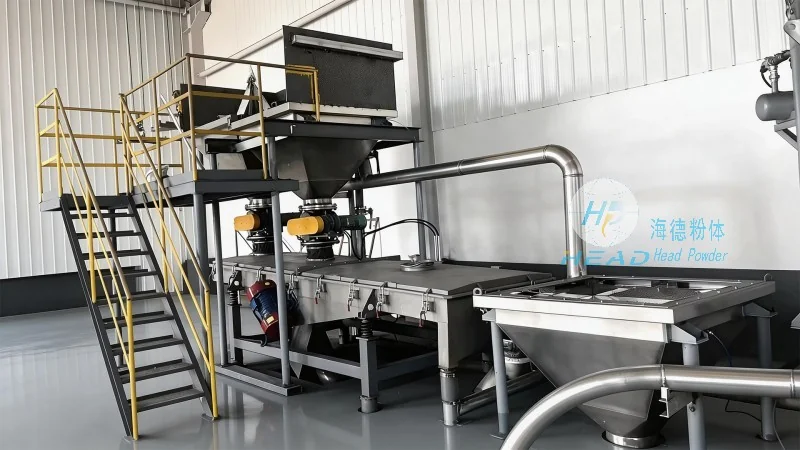
Key Features and Advantages of a Well-Designed Steel Grit Conveying Line
A well-designed steel grit material conveying line offers several advantages that contribute to improved operational efficiency and cost savings. One of the most significant advantages is the reduction in labor costs and manual handling. By automating the process of transporting steel grit, these systems eliminate the need for manual loading and unloading, reducing the risk of injury and increasing productivity. Additionally, the consistent flow of material ensures that processing equipment operates at optimal levels, minimizing downtime and maximizing output. The durability of the components, such as the conveyor and hopper, also leads to lower maintenance costs over the life of the system. These systems are designed to withstand the harsh conditions of abrasive material handling, reducing the frequency of repairs and replacements. Furthermore, the ability to control the flow rate and pressure allows for precise process control, ensuring that the steel grit is delivered to the processing equipment at the right time and in the right quantity. This precision is crucial for achieving consistent results in surface treatment applications. Overall, the advantages of a well-designed steel grit material conveying line make it a valuable investment for any industry that relies on abrasive material handling.