

What is a Lead Powder Material Conveying Line? What are its Design Principles?
Lead powder material conveying lines are specialized systems engineered to handle the unique properties of lead powder, a critical material in various industrial applications. These lines are designed to ensure efficient, safe, and reliable transportation of lead powder from processing units to storage or further manufacturing stages. Such systems are typically designed and manufactured by companies like Shandong HeadPowder Engineering Co., Ltd., commonly known as headpowder, which specializes in industrial material handling solutions.
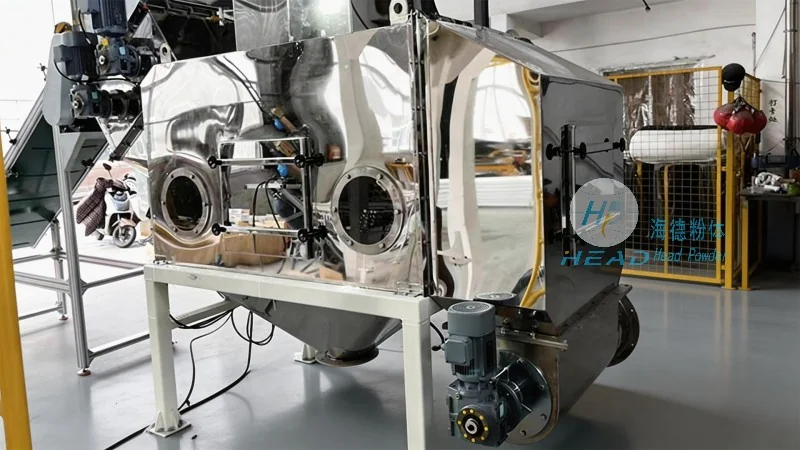
Understanding the Core Components of Lead Powder Conveying Lines
At the heart of a lead powder material conveying line are several key components that work in tandem to achieve seamless material handling. The primary elements include feeders, conveyors, dust collection systems, and control mechanisms. Feeders are responsible for uniformly feeding lead powder into the system, often using mechanisms like screw feeders or rotary valves to maintain consistent flow rates. Conveyors, typically pneumatic or mechanical, transport the powder through the system. Pneumatic conveying systems use air pressure to move the material, which is particularly effective for lead powder due to its fine particle size and potential for dust. Mechanical conveyors, such as belt or bucket elevators, may also be used for bulkier or less dusty applications. Dust collection systems are essential to manage the fine particles and ensure environmental compliance and worker safety. These systems typically include filters and scrubbers to capture and neutralize lead dust. Control mechanisms, often automated, regulate the speed of feeders, the pressure in pneumatic lines, and the operation of other components to maintain optimal performance and prevent material buildup or blockages.
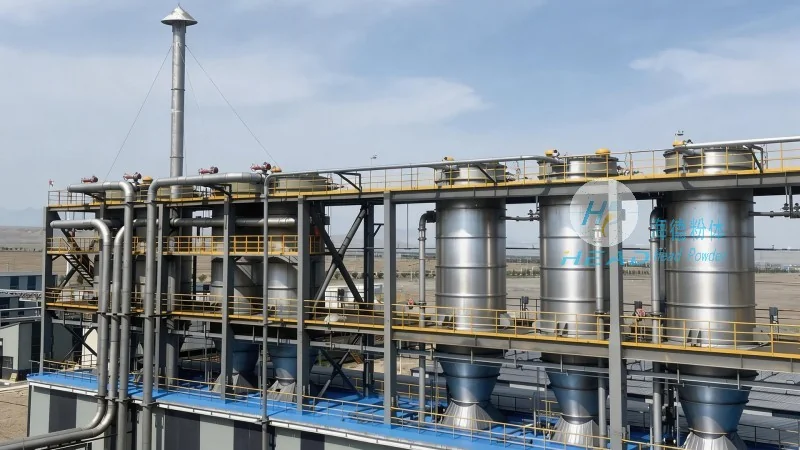
Design Principles for Lead Powder Conveying Systems
The design of lead powder conveying lines follows specific principles to address the material's challenges. One of the most critical principles is the prevention of material segregation and agglomeration. Lead powder particles can clump together, which can cause blockages in the system. To mitigate this, designers use equipment that promotes uniform particle distribution, such as agitators or vibrators in feeders. Another key principle is the management of dust and airborne particles. Lead powder is hazardous if inhaled, so systems must incorporate robust dust collection and filtration. This includes high-efficiency particulate air (HEPA) filters and wet scrubbing systems to capture fine particles. The system's layout is also designed to minimize the risk of dust dispersion, with enclosed ducts and sealed connections. Additionally, the design considers the material's density and flow characteristics. Lead powder has a high density, which can affect the pressure drop in pneumatic systems. Engineers calculate the appropriate air velocity and duct size to ensure efficient transport without excessive energy consumption. The system is also designed for easy maintenance and cleaning, as lead powder can be difficult to remove from equipment surfaces. This includes access points for cleaning and the use of materials that resist corrosion and wear, such as stainless steel or specialized coatings.
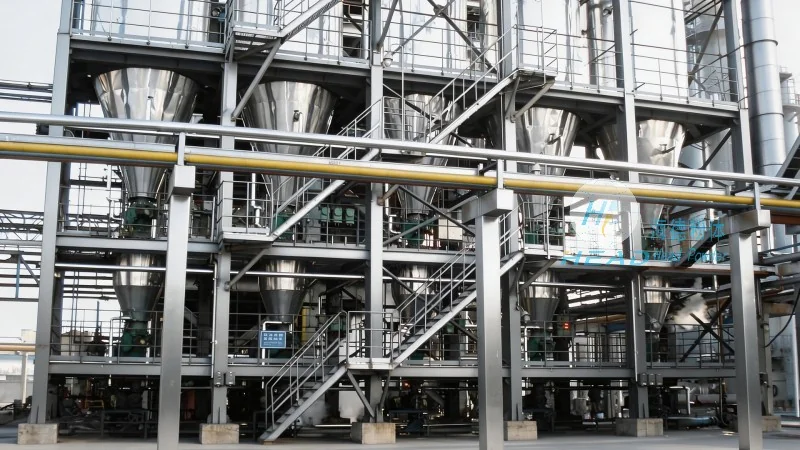
Applications and Industries Using Lead Powder Conveying Lines
Lead powder material conveying lines are widely used in industries that rely on lead-based products. The primary applications include the production of lead-acid batteries, where lead powder is used as a raw material for the positive plates. In battery manufacturing, the conveying line transports lead powder from storage to the mixing and casting processes. Another significant application is in the production of lead alloys, where lead powder is mixed with other metals to create alloys for various uses, such as in construction and electronics. Additionally, lead powder is used in the manufacturing of radiation shielding materials, where the high density of lead provides effective protection. The conveying lines in these industries must meet strict quality and safety standards, as lead is a toxic material. The systems are designed to minimize exposure to workers and to prevent environmental contamination. In the battery industry, for example, the conveying line ensures that lead powder is handled in a controlled environment, with proper ventilation and dust collection to protect workers from lead exposure. The efficiency of the conveying line is crucial in these applications, as it directly impacts production throughput and product quality. A well-designed system can reduce downtime, improve material consistency, and lower operational costs.
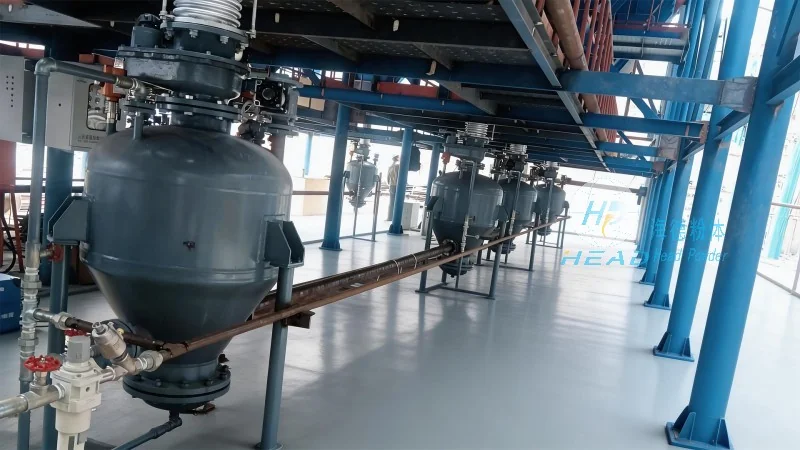
Key Considerations for Implementing Lead Powder Conveying Lines
When implementing a lead powder material conveying line, several factors must be considered to ensure optimal performance and safety. First, the system must be designed to comply with local and international regulations regarding lead handling and environmental protection. This includes meeting standards for dust emission and worker exposure limits. Second, the choice of equipment must be based on the specific characteristics of the lead powder, such as particle size distribution, moisture content, and flowability. For example, a fine lead powder may require a pneumatic conveying system with high air velocity to prevent blockages, while a coarser powder may be better suited for mechanical conveyors. Third, the system must be integrated with other production processes to ensure smooth operation. This includes coordinating with feeders, mixers, and casting machines to maintain a consistent flow of material. Fourth, the system must be equipped with monitoring and control systems to detect and address issues such as blockages or pressure drops in real-time. These systems can include sensors for air pressure, flow rate, and temperature, as well as alarms and automated shut-off mechanisms. Finally, the system must be designed for easy maintenance and repair. This includes providing access to all components for cleaning and inspection, and using durable materials that can withstand the corrosive and abrasive nature of lead powder.