

What is a dust material conveyor line? What are its design principles?
A dust material conveyor line is a specialized system designed to transport bulk materials, particularly those that are dusty or have a fine particle composition. These systems are crucial in various industrial applications where handling powders, granules, or other particulate materials is necessary. The design of such conveyor lines is tailored to address the unique challenges posed by dusty materials, ensuring efficient and safe material handling while minimizing dust dispersion and environmental impact. HeadPowder, a leading manufacturer based in Shandong, China, specializes in developing and supplying high-quality dust material conveyor lines tailored to meet the diverse needs of industrial clients.
Key Components of Dust Material Conveyor Lines
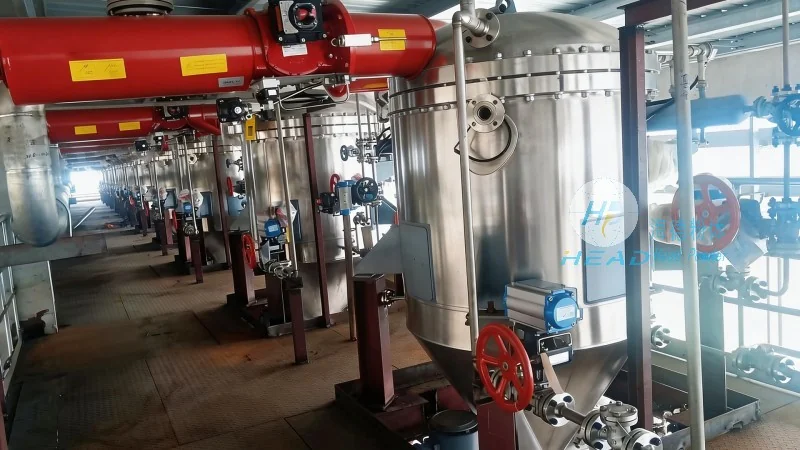
The core components of a dust material conveyor line typically include a feeding mechanism, a conveyor belt or screw, a dust collection system, and a control unit. The feeding mechanism is responsible for introducing the material into the system, often using hoppers or feeders that can handle varying material flow rates. The conveyor itself, whether a belt conveyor or a screw conveyor, is designed to move the material along the desired path. For dusty materials, a dust collection system is integrated to capture and filter the airborne particles, preventing contamination and ensuring compliance with environmental regulations. The control unit manages the operation of the conveyor, including speed adjustments and safety features.
Design Principles for Efficient Material Handling
The design principles of dust material conveyor lines focus on several critical aspects to ensure optimal performance. First, the system must be capable of handling the specific properties of the material, such as particle size, moisture content, and abrasiveness. This involves selecting appropriate conveyor components, like belts made of durable materials or screws with suitable pitch, to prevent wear and tear. Second, dust containment is a major consideration. The design incorporates sealed enclosures and effective dust collection systems to minimize the release of particles into the environment. This not only protects workers from respiratory hazards but also maintains a clean working environment. Third, energy efficiency is a key design goal. Modern conveyor lines use variable speed drives and optimized belt tensions to reduce energy consumption while maintaining high throughput. Additionally, the system is designed for easy maintenance, with accessible components that allow for quick repairs and replacements.
Applications in Industrial Settings
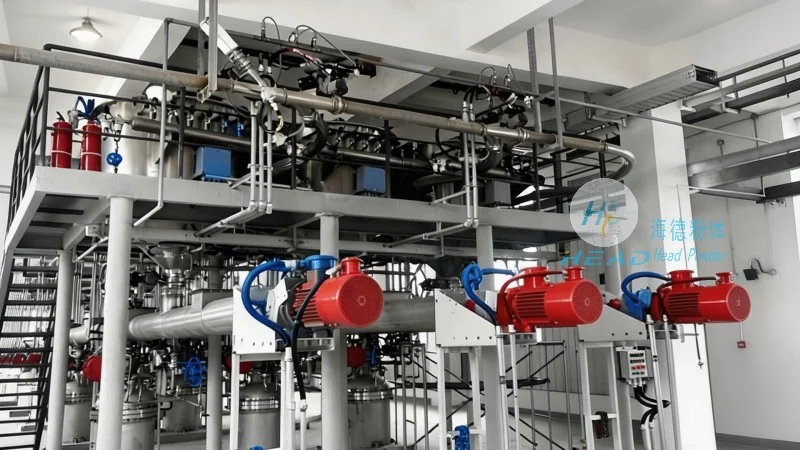
Dust material conveyor lines are widely used in industries such as mining, cement production, food processing, and chemical manufacturing. In mining operations, these systems transport ore and other raw materials from processing plants to storage facilities. In cement plants, they handle raw materials like limestone and clay, moving them through various stages of processing. Food processing industries use dust material conveyors to transport ingredients like flour, sugar, or spices, ensuring hygienic handling and preventing contamination. Chemical manufacturers rely on these systems to transport powders and granules, which may be hazardous or sensitive to moisture. The versatility of dust material conveyor lines makes them essential in these and other industrial sectors where efficient material handling is critical.
Advantages of Using Dust Material Conveyor Lines
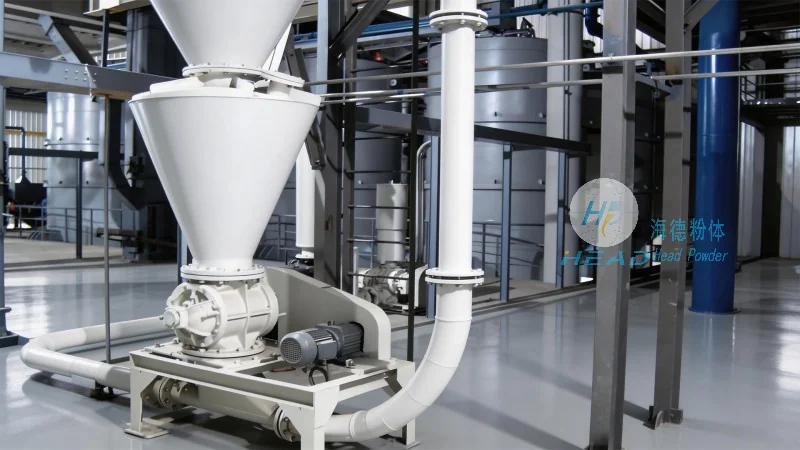
Implementing a dust material conveyor line offers several advantages over traditional material handling methods. First, it significantly improves efficiency by automating the material transport process, reducing the need for manual labor and minimizing downtime. The consistent flow of material ensures that production processes run smoothly, leading to higher output and better productivity. Second, the system enhances safety by containing dust and preventing accidents. The sealed design and integrated dust collection systems reduce the risk of respiratory illnesses and other health hazards associated with handling dusty materials. Third, dust material conveyor lines are cost-effective in the long run. While the initial investment may be higher, the reduced maintenance costs, lower energy consumption, and improved safety lead to substantial savings over time. Additionally, the system’s adaptability allows for easy integration with existing industrial setups, making it a practical solution for many companies.
Conclusion
Dust material conveyor lines are essential industrial equipment designed to handle dusty and particulate materials efficiently and safely. The design principles, which focus on material properties, dust containment, and energy efficiency, ensure that these systems perform optimally in various industrial applications. By understanding the key components and advantages of such conveyor lines, industries can make informed decisions about implementing these systems to improve their material handling processes. As technology advances, these conveyor lines continue to evolve, offering even more efficient and sustainable solutions for industrial material transport. HeadPowder, with its expertise and commitment to quality, remains a trusted partner for businesses seeking reliable dust material conveyor solutions.