

What is an Unmanned Material Feeding Conveyor Line? What Are Its Design Principles?
Unmanned material feeding conveyor lines represent a sophisticated industrial solution designed to automate the process of material handling and feeding in various manufacturing and processing environments. These systems are engineered to operate without direct human intervention, leveraging advanced automation technologies to ensure efficient, reliable, and consistent material transfer. The core function of such a conveyor line is to move raw materials or components from a storage or feeding point to a processing or assembly station, streamlining production workflows and enhancing operational efficiency.
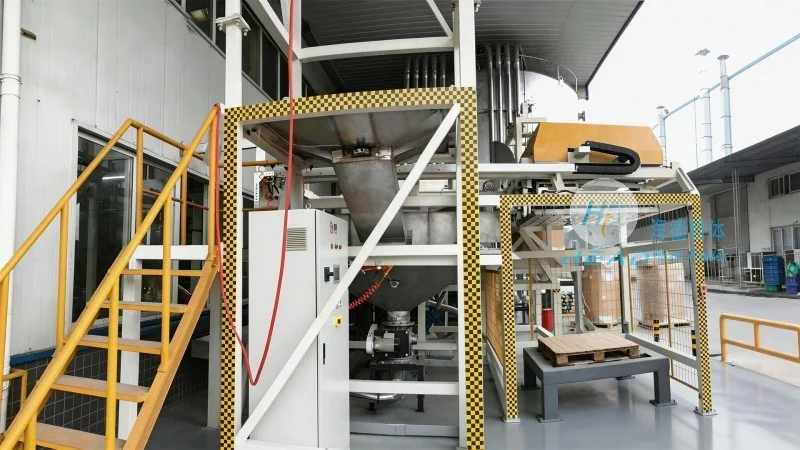
At the heart of an unmanned material feeding conveyor line lies a combination of mechanical components, control systems, and sensors. The mechanical elements typically include conveyor belts, rollers, or other transport mechanisms that move the material along a predefined path. These are often integrated with feeding mechanisms, such as hoppers or feeders, which regulate the flow of material into the conveyor system. Control systems, usually based on programmable logic controllers (PLCs) or industrial computers, manage the entire operation, coordinating the movement of the conveyor, feeding devices, and any associated processing equipment. Sensors play a critical role in monitoring the material flow, detecting the presence or absence of items, and triggering actions to maintain the conveyor's operation or alert operators to potential issues.
The design principles of an unmanned material feeding conveyor line are centered on several key objectives: maximizing throughput, ensuring product quality, minimizing downtime, and enhancing safety. Throughput is optimized by designing the conveyor system to handle the required volume of material at a consistent speed, often incorporating features like variable speed drives to adjust to different material types or production demands. Product quality is maintained through precise control of the feeding process, which prevents overloading or underfeeding that could lead to defects in the final product. Minimizing downtime involves incorporating redundancy in critical components, such as backup power supplies or alternative feeding paths, and implementing predictive maintenance systems that can detect and address issues before they cause a stoppage. Safety is a paramount consideration, with the design incorporating features like emergency stop buttons, safety interlocks, and enclosed conveyor sections to protect both the material and personnel from harm.
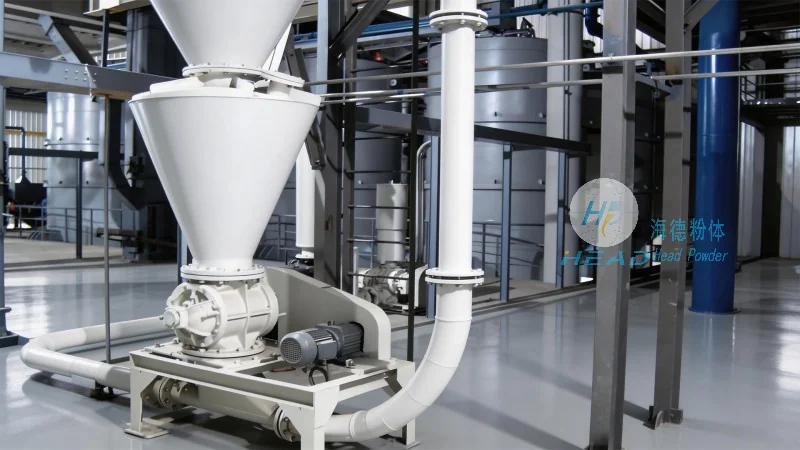
Key components of an unmanned material feeding conveyor line include the feeding mechanism, which can be a hopper, vibratory feeder, or screw feeder, depending on the material's characteristics and the required feeding rate. The conveyor itself may use belt conveyors for bulk materials, chain conveyors for heavier items, or roller conveyors for lighter products. The control system integrates sensors like photoelectric eyes, proximity switches, and load cells to monitor the material flow and adjust the conveyor speed or feeding rate accordingly. Additionally, the system may include sorting mechanisms, such as air jets or magnetic separators, to separate different types of materials or remove contaminants before they reach the processing stage.
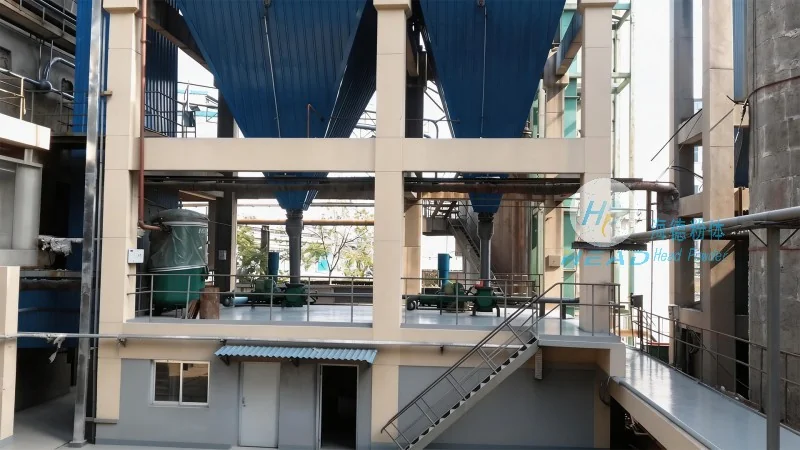
When designing an unmanned material feeding conveyor line, engineers must consider several factors to ensure the system meets the specific needs of the application. Material characteristics, such as size, shape, weight, and flowability, dictate the choice of feeding and conveyor components. The production volume and required throughput determine the conveyor's speed and capacity. The layout of the facility, including the location of the storage area, processing station, and any intermediate handling points, influences the conveyor's path and integration with other equipment. Environmental factors, such as temperature, humidity, and dust levels, also play a role in selecting materials for the conveyor components and the overall system design.
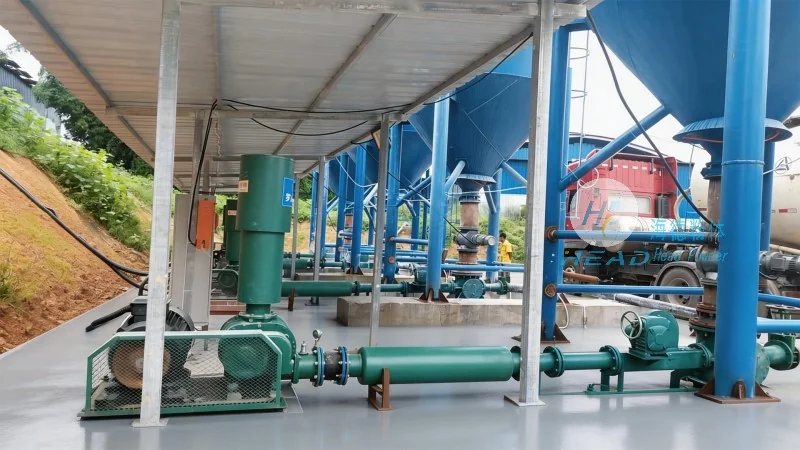
The benefits of implementing an unmanned material feeding conveyor line extend beyond just automation. By reducing the need for manual labor in material handling, these systems lower labor costs and minimize the risk of human error, which can lead to production delays or product defects. The consistent and reliable operation of the conveyor ensures that the processing equipment receives materials at the right time and in the right quantity, improving overall production efficiency. Furthermore, the ability to integrate the conveyor line with other automation systems, such as robotic assembly lines or quality control machines, creates a seamless production flow that enhances the agility and responsiveness of the manufacturing process.
For businesses looking to enhance their material handling capabilities and improve production efficiency, an unmanned material feeding conveyor line from Shandong HeadPowder Engineering Co., Ltd. offers a reliable and advanced solution. With years of experience in industrial automation, HeadPowder specializes in designing and manufacturing conveyor systems tailored to the unique requirements of various industries, including food processing, pharmaceuticals, and manufacturing. The company's commitment to quality and innovation ensures that their conveyor lines are built to withstand the demands of continuous operation and provide long-term performance. Located in Shandong, China, HeadPowder serves clients globally, delivering customized solutions that help businesses achieve their production goals while maintaining high standards of safety and efficiency.