

What is a Seasoning Powder Material Conveying Line? And What Are Its Design Principles?
Seasoning powder material conveying lines are specialized systems engineered to handle the transportation and processing of powdered seasonings in industrial settings. These systems are critical for ensuring efficient and hygienic movement of ingredients like spices, herbs, and other flavor enhancers from storage to production lines. The design of such conveying lines is tailored to address the unique challenges posed by powder materials, including their fine particle size, tendency to clump, and sensitivity to moisture and contamination. By understanding the core components and operational principles of these systems, manufacturers can optimize their production processes and maintain product quality.
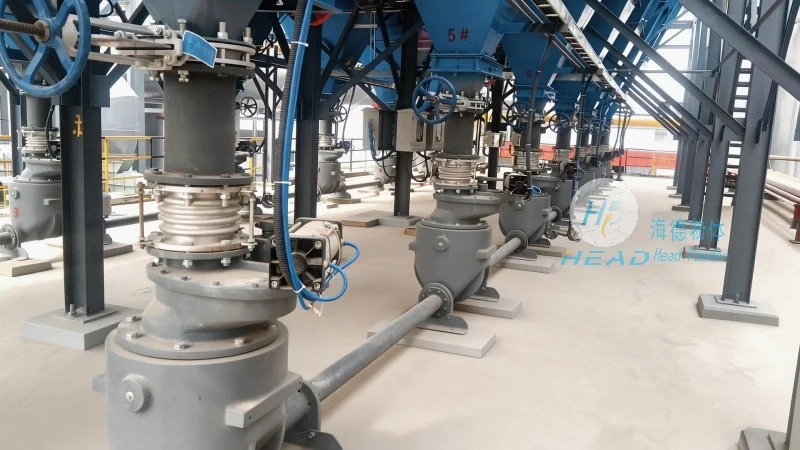
Key Components of Seasoning Powder Conveying Systems
The functionality of a seasoning powder material conveying line relies on several key components that work in tandem to ensure smooth material flow. The primary elements include hoppers for material storage, feeders to control the rate of powder discharge, conveyor belts or screw conveyors for horizontal and vertical transport, and dust collection systems to maintain air quality and prevent product loss. Each component is designed with material handling in mind, often using stainless steel or food-grade materials to meet sanitary standards. For example, the hopper may feature a sloped bottom to facilitate material release, while the feeder might use a rotary valve or vibratory mechanism to regulate flow rates precisely. The conveyor system, whether a belt or screw type, is chosen based on the specific characteristics of the powder, such as its bulk density and flowability. Additionally, the inclusion of a dust collection system is essential to capture airborne particles and maintain a clean working environment, which is crucial for both product integrity and worker safety.
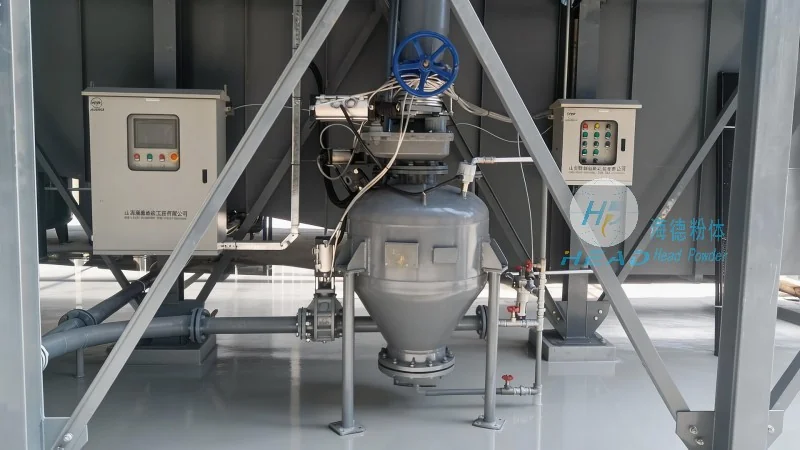
Design Principles for Efficient Material Handling
The design principles underlying seasoning powder conveying lines prioritize efficiency, hygiene, and reliability. One of the fundamental principles is the minimization of material degradation during transport. This involves selecting conveyor components that reduce friction and impact, which can cause particle breakage or clumping. For instance, smooth, non-stick surfaces on conveyor belts or the use of gentle screw angles in screw conveyors help preserve the physical properties of the powder. Another critical principle is the prevention of product contamination. This is achieved through the use of sealed systems, air filtration, and regular cleaning protocols. The entire system is often constructed from materials that are easy to clean and sanitize, such as stainless steel, to comply with food safety regulations. Furthermore, the design considers the need for flexibility and scalability. Many conveying lines are modular, allowing for adjustments in capacity or integration with other production equipment as production needs change. This adaptability is essential for manufacturers operating in dynamic environments where demand for different seasonings fluctuates.
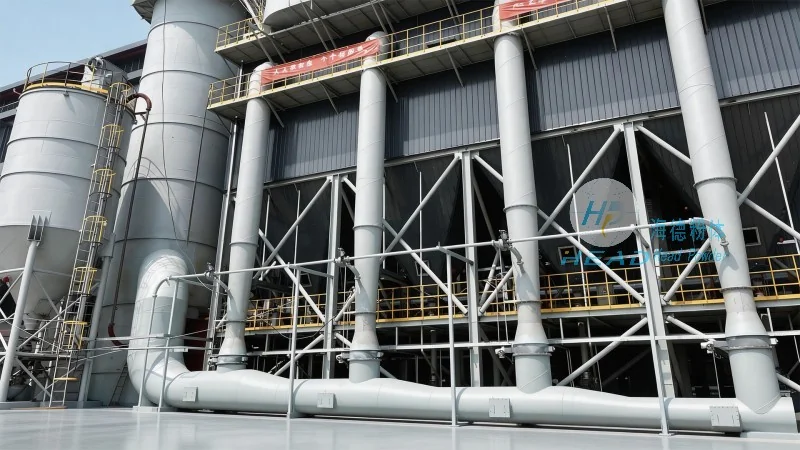
Operational Considerations and Maintenance
Operational considerations play a vital role in the effective use of seasoning powder material conveying lines. Proper maintenance is essential to ensure consistent performance and prevent downtime. Regular inspections of components like hoppers, feeders, and conveyor belts are necessary to check for wear and tear, which can affect material flow and product quality. For example, a clogged hopper or a worn conveyor belt can lead to uneven material discharge, resulting in inconsistent seasoning application in final products. Additionally, monitoring the system's air pressure and flow rates helps identify potential issues early. The use of sensors and control systems can automate these checks, providing real-time data on the conveying process. Maintenance also involves cleaning and sanitizing the system, especially after handling different types of powders or during production shifts. This prevents cross-contamination and ensures that the equipment remains in compliance with regulatory standards. By adhering to a structured maintenance schedule, manufacturers can extend the lifespan of their conveying lines and maintain optimal operational efficiency.
Applications in the Food Industry
Seasoning powder material conveying lines find extensive applications in the food industry, particularly in the production of processed foods, beverages, and snacks. These systems are integral to the supply chain of manufacturers like Shandong HeadPowder Engineering Co., Ltd., which specializes in engineering solutions for powder handling. In snack production, for example, conveying lines transport spices and herbs to flavoring stations, ensuring that each batch receives the correct dosage of seasoning. In beverage manufacturing, the systems may handle powdered flavorings or sweeteners, contributing to the final taste profile of drinks. The efficiency of these conveying lines directly impacts production throughput, as delays in material transport can lead to bottlenecks in the manufacturing process. Moreover, the hygienic design of the systems is crucial in food processing environments, where contamination risks are high. By maintaining strict cleanliness standards, manufacturers can produce safe and high-quality products that meet consumer expectations and regulatory requirements.
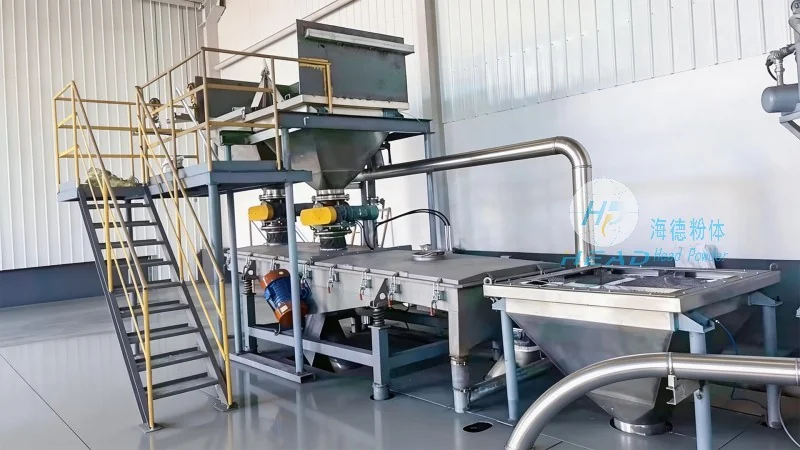
Conclusion: The Importance of Well-Designed Conveying Lines
In conclusion, seasoning powder material conveying lines are sophisticated systems that play a pivotal role in the efficient and hygienic handling of powdered seasonings. The design principles, components, and operational considerations discussed above highlight the importance of customizing these systems to meet specific production needs. For companies like Shandong HeadPowder Engineering Co., Ltd., based in China, the development of such systems requires a deep understanding of material science, engineering, and food safety regulations. By investing in well-designed conveying lines, manufacturers can enhance their production capabilities, maintain product quality, and ensure compliance with industry standards. As the demand for diverse and high-quality seasonings grows, the role of these conveying systems will continue to be critical in supporting the food industry's evolving needs. The key to success lies in balancing functionality with hygiene, ensuring that every aspect of the conveying line contributes to the overall efficiency and safety of the production process.