

What is a Latex Powder Material Handling Conveyor? And What Are Its Design Principles?
Latex powder material handling conveyors are specialized industrial systems engineered to transport and manage latex powder efficiently. These systems are crucial in various manufacturing and processing applications where handling fine, powdery materials like latex requires precision and control. The design of such conveyors is tailored to address the unique challenges posed by latex powder, including its dustiness, potential for static buildup, and the need for consistent flow rates. This article explores the fundamental aspects of latex powder material handling conveyors, focusing on their design principles and operational considerations.
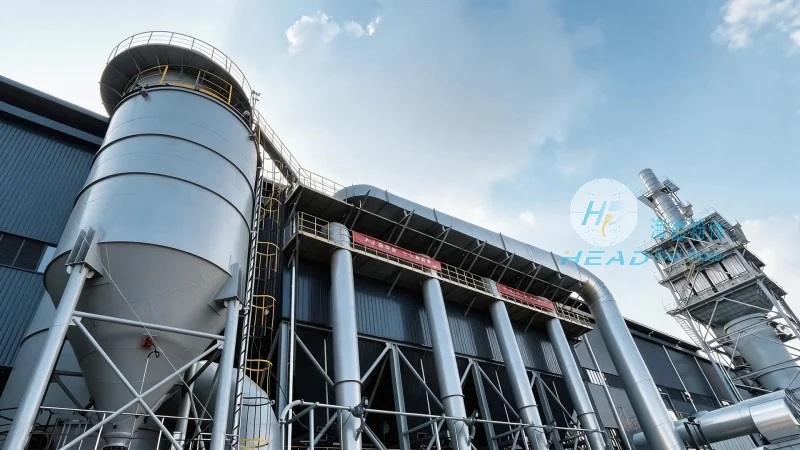
Understanding Latex Powder Material Handling Conveyors
Latex powder material handling conveyors are designed to move latex powder from storage or processing areas to the next stage of production. These systems typically consist of a combination of components, including feeders, conveyors, and control mechanisms, all integrated to ensure smooth and reliable material transfer. The primary goal is to maintain the integrity of the latex powder, preventing agglomeration, caking, or contamination during transport. This is achieved through careful consideration of material properties, such as particle size, moisture content, and flow characteristics.
Key Design Principles for Latex Powder Conveyors
The design of a latex powder material handling conveyor is guided by several critical principles to ensure optimal performance. First, the system must minimize material degradation and maintain product quality. This involves selecting appropriate materials for the conveyor components, such as stainless steel or food-grade plastics, to prevent chemical reactions or contamination. Second, the conveyor must address the issue of static electricity, which can cause powder to cling to surfaces or create sparks. Anti-static features, like grounding mechanisms or conductive materials, are often incorporated into the design to mitigate these risks. Third, the system is engineered for efficient flow control, ensuring consistent material throughput without excessive pressure or wear on the equipment. This is achieved through adjustable feed rates, variable speed drives, and proper incline or decline angles to match the material's natural flow characteristics.
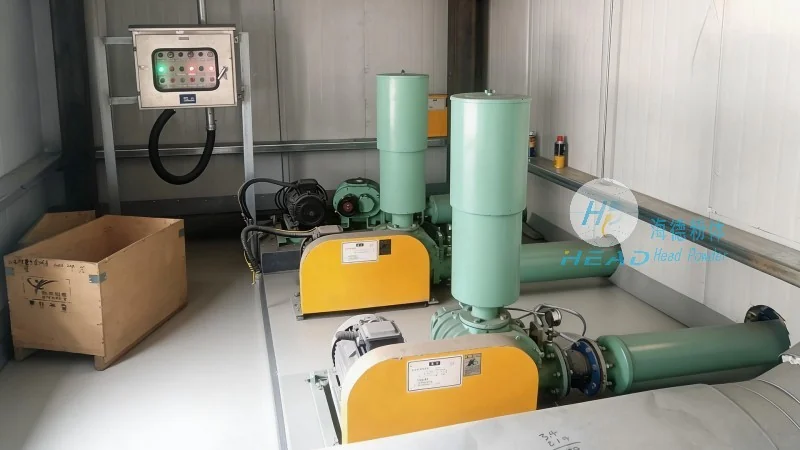
Components and Operational Mechanisms
Latex powder conveyors typically include several key components that work in tandem to achieve effective material handling. The feeding mechanism, often a rotary valve or a screw feeder, is responsible for introducing the latex powder into the conveyor system. This component must be designed to handle the powder's bulk density and flowability, ensuring a uniform feed rate. The conveyor itself, which may be a belt conveyor, screw conveyor, or pneumatic conveyor, transports the powder through the system. Belt conveyors are common for horizontal or slight incline applications, while screw conveyors are ideal for vertical or steep incline transport due to their ability to handle fine powders without clogging. Pneumatic conveyors, or air-powered systems, use compressed air to move the powder through a pipeline, which is particularly useful for long-distance or high-temperature applications. Control systems, including sensors and variable frequency drives (VFDs), monitor and adjust the conveyor's speed and feed rate in real-time, ensuring precise control over the material flow.
Applications and Industry Relevance
Latex powder material handling conveyors are widely used in industries such as rubber manufacturing, pharmaceuticals, and food processing. In rubber production, these systems are essential for transporting latex powder to mixing and compounding units, where it is combined with other ingredients to create rubber compounds. In the pharmaceutical industry, the conveyors ensure that latex powder is handled hygienically and without contamination, meeting stringent quality standards. Similarly, in food processing, the systems maintain the purity of the latex powder, preventing cross-contamination with other materials. The versatility of these conveyors makes them suitable for a range of applications, from small-scale batch processing to large-scale continuous production lines.
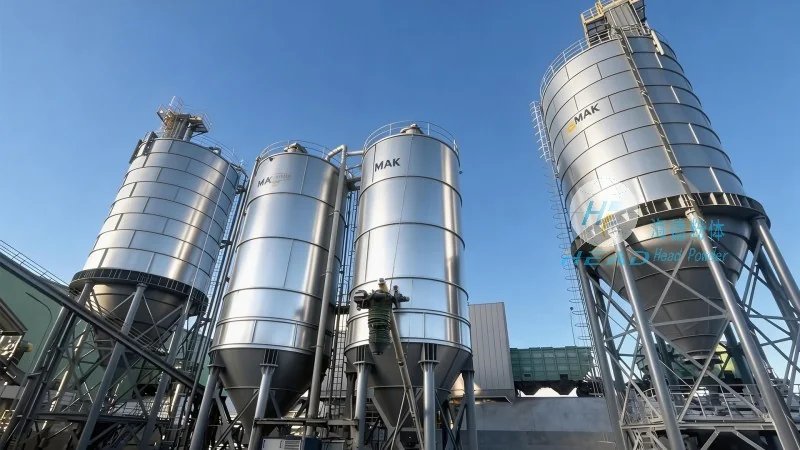
Maintenance and Operational Considerations
Proper maintenance is crucial to ensure the longevity and efficiency of latex powder material handling conveyors. Regular cleaning and inspection of the conveyor components, especially the feeding mechanisms and conveyor belts, are necessary to prevent buildup of powder and debris. This helps maintain the system's performance and prevents downtime. Additionally, monitoring the system's performance parameters, such as flow rate and pressure, can help identify potential issues before they become major problems. The use of appropriate lubricants and protective coatings on moving parts can also extend the equipment's lifespan. Operational considerations also include ensuring that the system is properly grounded to prevent static buildup and that the feed material is properly dried and screened to remove moisture and oversized particles, which can affect the conveyor's efficiency.
Conclusion
Latex powder material handling conveyors are sophisticated industrial systems designed to address the unique challenges of transporting fine, powdery materials like latex. Their design is guided by principles that prioritize material integrity, safety, and efficiency. By integrating specialized components and control mechanisms, these conveyors ensure consistent and reliable material transfer, which is critical in various manufacturing and processing applications. As industries continue to demand higher standards of quality and productivity, the importance of well-designed latex powder conveyors will only grow. For businesses operating in sectors that rely on latex powder, investing in a properly engineered conveyor system is essential to maintain competitiveness and ensure product quality.