

What is a Carbon Material Conveying Line? And What Are Its Design Principles?
Carbon material conveying lines are specialized industrial systems engineered to handle the transportation of carbon-based materials, such as graphite, carbon black, and other carbonaceous substances. These systems are critical in various manufacturing processes, particularly in the production of carbon products, where efficient material handling directly impacts production efficiency and product quality. The design of a carbon material conveying line is a complex process that integrates mechanical, electrical, and control engineering principles to ensure safe, reliable, and efficient operation.
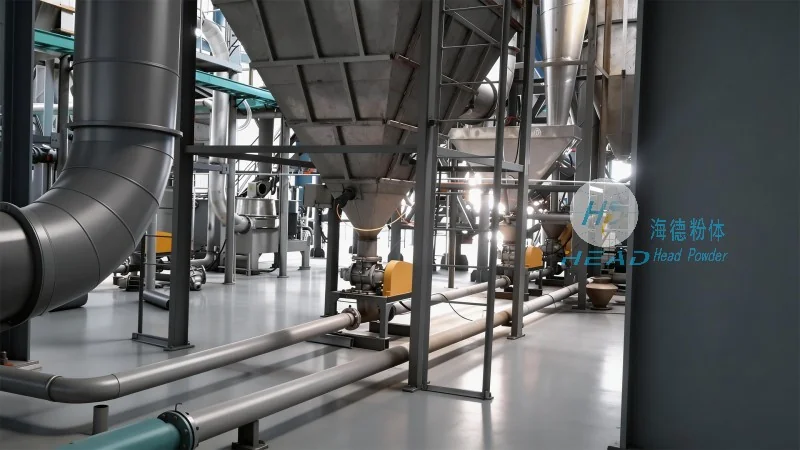
Understanding Carbon Material Conveying Lines: Core Components and Functions
A typical carbon material conveying line consists of several key components, each playing a vital role in the overall operation. The primary components include feeders, conveyors (such as belt conveyors, screw conveyors, or pneumatic conveyors), hoppers, and control systems. Feeders are responsible for uniformly distributing the carbon material into the conveying system, preventing blockages and ensuring consistent flow. Conveyors transport the material from one location to another, with the choice of conveyor type depending on the material's properties, such as bulk density, flowability, and particle size. Hoppers store the material before it is fed into the conveyor, providing a buffer to maintain a steady supply. Control systems monitor and regulate the entire process, ensuring that the conveying line operates within safe parameters and responds to changes in material flow or system conditions.
The Design Principles Behind Carbon Material Conveying Lines
The design of a carbon material conveying line is guided by several fundamental principles aimed at optimizing performance, safety, and longevity. First, the design must consider the physical properties of the carbon material being handled. For example, materials with high abrasiveness or corrosiveness require specialized equipment, such as wear-resistant belts or corrosion-resistant hoppers, to prevent premature wear and damage. Second, the system must be designed for efficient material flow, minimizing friction and ensuring that the material moves smoothly through the conveying line. This involves selecting appropriate conveyor angles, speeds, and feed rates to prevent material buildup or clogging. Third, safety is a paramount consideration in the design of carbon material conveying lines. The system must incorporate features such as emergency stop buttons, overload protection, and dust suppression mechanisms to protect operators and the environment from hazards. Additionally, the design must adhere to industry standards and regulations, such as those related to material handling and occupational safety, to ensure compliance and reduce risks.
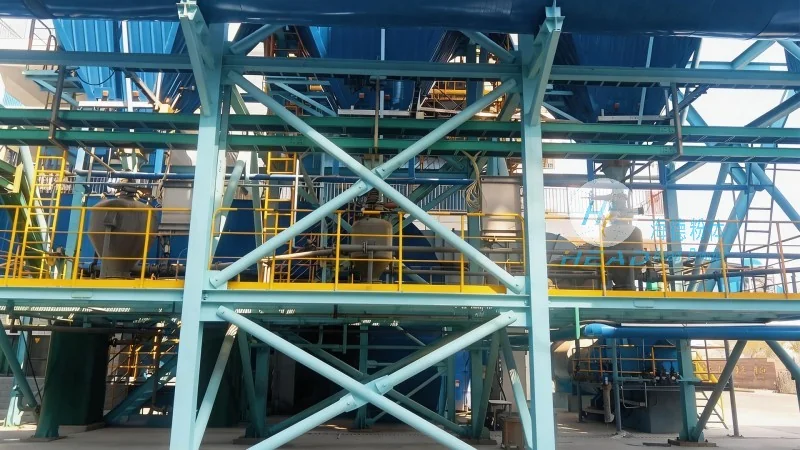
HeadPowder: Expert Manufacturer of Carbon Material Conveying Solutions
Shandong HeadPowder Engineering Co., Ltd., commonly known as HeadPowder, is a leading manufacturer specializing in the design, development, and production of carbon material conveying lines. With years of experience in the industry, HeadPowder has established itself as a trusted provider of high-quality conveying systems tailored to the unique needs of carbon material processing facilities. The company's team of engineers and technicians works closely with clients to understand their specific requirements, from material characteristics to production volumes, and designs customized conveying solutions that meet or exceed industry standards. HeadPowder's products are known for their durability, reliability, and efficiency, making them a preferred choice for manufacturers in the carbon industry. The company's commitment to quality and customer satisfaction has earned it a strong reputation in the market, with clients relying on HeadPowder for their material handling needs.
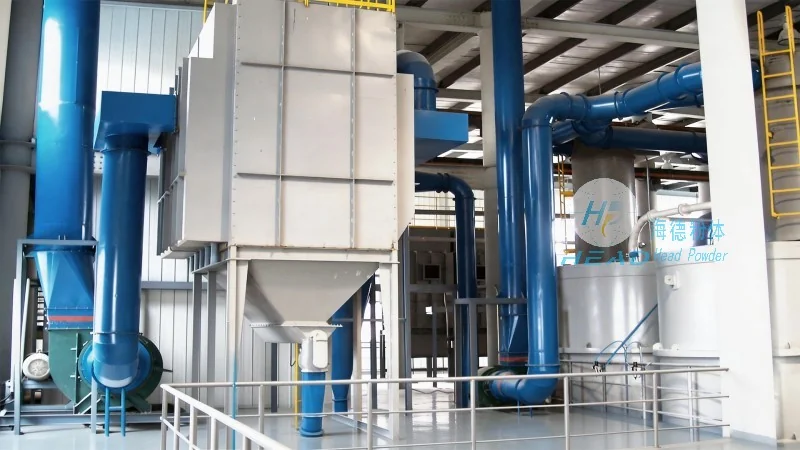
Applications and Benefits of Carbon Material Conveying Lines
Carbon material conveying lines are widely used in various applications across the carbon industry, including the production of graphite electrodes, carbon fibers, and carbon black. In these applications, the conveying line plays a crucial role in moving raw materials from storage to processing equipment, such as mixers, extruders, or furnaces. The benefits of using a well-designed carbon material conveying line are significant. Firstly, it improves production efficiency by reducing downtime caused by material handling issues. Secondly, it enhances product quality by ensuring consistent material flow and preventing contamination. Thirdly, it increases safety by minimizing the risk of accidents associated with manual material handling. Finally, it reduces operational costs by optimizing energy consumption and minimizing equipment wear and tear. These benefits make carbon material conveying lines an essential component of modern carbon processing facilities.
Conclusion: The Importance of a Well-Designed Carbon Material Conveying Line
In conclusion, carbon material conveying lines are critical industrial systems that enable the efficient and safe handling of carbon-based materials. The design of these systems is a complex process that requires careful consideration of material properties, operational requirements, and safety regulations. A well-designed conveying line not only improves production efficiency and product quality but also enhances workplace safety and reduces operational costs. As a leading manufacturer, HeadPowder understands the importance of these systems and provides high-quality, customized solutions to meet the needs of its clients. With its expertise and commitment to quality, HeadPowder continues to be a key player in the carbon material processing industry, helping manufacturers achieve their production goals while maintaining safety and efficiency.