

What is a Ship Loading and Unloading Material Conveying Line? What are its Design Principles?
Understanding the Ship Loading and Unloading Material Conveying Line: Design Principles and Functional Aspects
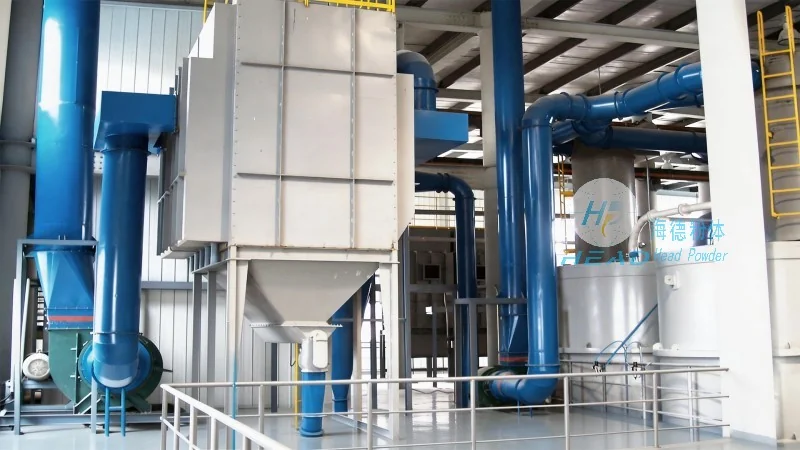
Introduction to Material Conveying Systems for Maritime Operations
For businesses involved in maritime logistics, the efficiency of material handling systems is critical to operational success. A key component in this domain is the ship loading and unloading material conveying line, which facilitates the seamless transfer of bulk materials between vessels and shore facilities. This system is engineered to meet the demanding requirements of modern port operations, ensuring safety, reliability, and optimal performance under various conditions.
What is a Ship Loading and Unloading Material Conveying Line?
A ship loading and unloading material conveying line, also known as a bulk material handling system, is a specialized infrastructure designed to transport bulk materials such as grains, ores, coal, or other commodities from a ship to a storage or processing facility, and vice versa. The system typically integrates multiple components, including conveyors, feeders, hoppers, and control systems, to achieve continuous and automated material flow. These lines are essential for reducing manual labor, minimizing downtime, and enhancing overall productivity in port operations.
Key Design Principles for Efficient Material Handling
The design of a ship loading and unloading material conveying line is guided by several critical principles to ensure optimal performance. First, the system must be tailored to the specific characteristics of the material being handled—such as size, density, and moisture content—to prevent blockages or damage to equipment. Engineers also consider the operational environment, including weather conditions, ship size, and port layout, to ensure the system can operate effectively under diverse scenarios.
Second, the design emphasizes durability and reliability. Components like conveyors, hoppers, and control mechanisms are constructed from robust materials, such as stainless steel or heavy-duty alloys, to withstand the harsh conditions of port environments and the mechanical stress of continuous operation. Additionally, the system incorporates advanced control technologies, including sensors and automation, to monitor and adjust the flow of materials in real-time, enhancing safety and reducing the risk of accidents.
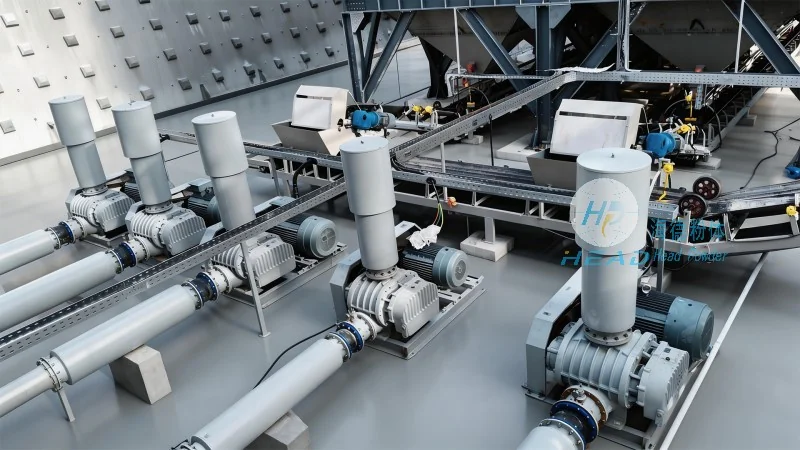
Components and Functional Aspects of the Conveying Line
The ship loading and unloading material conveying line consists of several interconnected components that work in harmony to achieve efficient material transfer. The primary components include:
- Conveyors: These are the backbone of the system, typically using belt conveyors or screw conveyors to move materials horizontally or vertically. Belt conveyors are ideal for transporting loose bulk materials over long distances, while screw conveyors are suitable for handling materials with higher moisture content or those that require more precise control.
- Hoppers and Feeders: Hoppers are used to store and feed materials into the conveyor system, ensuring a consistent flow. Feeders, such as rotary or vibratory types, regulate the rate at which material enters the conveyor, preventing overloading and maintaining uniform speed.
- Control Systems: Modern conveying lines are equipped with sophisticated control systems that integrate sensors, programmable logic controllers (PLCs), and human-machine interfaces (HMIs). These systems allow operators to monitor the status of the line, adjust parameters, and respond to any anomalies, ensuring smooth operation and minimizing downtime.
Each component is designed to complement the others, creating a cohesive system that maximizes efficiency and minimizes operational risks. For example, the hoppers are sized to match the capacity of the conveyors, and the control systems are programmed to adjust the speed of the feeders based on the conveyor load, preventing bottlenecks or overloading.
Benefits of Implementing a Ship Loading and Unloading Material Conveying Line
Adopting a ship loading and unloading material conveying line offers numerous benefits for port operators and logistics companies. First, it significantly reduces manual labor, as the system automates the transfer of materials, minimizing the need for workers to handle heavy or hazardous materials. This not only improves safety but also increases productivity by allowing operators to focus on other critical tasks.
Second, the system enhances operational efficiency by reducing downtime. By eliminating manual handling and speeding up the transfer process, the line allows ships to be loaded or unloaded more quickly, improving port throughput and reducing waiting times for vessels. This is particularly important in busy ports where time is a critical factor.
Third, the system improves safety by minimizing the risk of accidents associated with manual material handling. The automated process reduces the likelihood of injuries from heavy lifting or material spills, creating a safer working environment for employees. Additionally, the control systems can detect and alert operators to any potential issues, such as blockages or overloads, allowing for immediate intervention.
Customization and Integration with Existing Infrastructure
One of the key advantages of the ship loading and unloading material conveying line is its adaptability. The system can be customized to fit the specific needs of a port or facility, whether it is a new construction or an upgrade to an existing infrastructure. Engineers from Shandong HeadPowder Engineering Co., Ltd. work closely with clients to assess their requirements, including the type of material, port layout, and operational goals, to design a system that meets their unique needs.
Furthermore, the conveying line can be integrated with existing port infrastructure, such as storage silos, processing plants, or shipping containers, to create a seamless material flow from the ship to the final destination. This integration ensures that the system works in harmony with other components of the port, maximizing overall efficiency and reducing the need for additional manual transfers.
Conclusion: The Role of Advanced Engineering in Modern Port Operations
The ship loading and unloading material conveying line is a critical component of modern maritime logistics, enabling efficient and safe material handling in port operations. By adhering to sound design principles and leveraging advanced technologies, these systems enhance productivity, reduce costs, and improve safety for port operators. As the demand for efficient bulk material handling continues to grow, the importance of well-designed conveying lines will only increase, making them an essential investment for any business involved in maritime trade.