

[Mica Sand Conveying: Positive Pressure vs. Negative Pressure - How to Distinguish?]
When it comes to the transportation of mica sand, selecting the appropriate conveying method is crucial for ensuring efficiency, safety, and cost-effectiveness. Two primary options are positive pressure conveying and negative pressure conveying. Understanding the differences between these two systems is essential for making an informed decision. This article, presented by Shandong HeadPowder Engineering Co., Ltd. (HeadPowder), will explore the key aspects of both positive and negative pressure mica sand conveying systems, highlighting how to distinguish between them and choose the most suitable option for specific applications.
Introduction to Mica Sand Conveying Systems
Mica sand, a natural mineral with unique properties, is widely used in various industries, including construction, ceramics, and cosmetics. The efficient and reliable transportation of mica sand from the source to the processing or storage facility is a critical step in the overall production process. Conveying systems are designed to handle the material's characteristics, such as its particle size, density, and flowability, to minimize downtime and operational costs.
Positive Pressure Conveying for Mica Sand
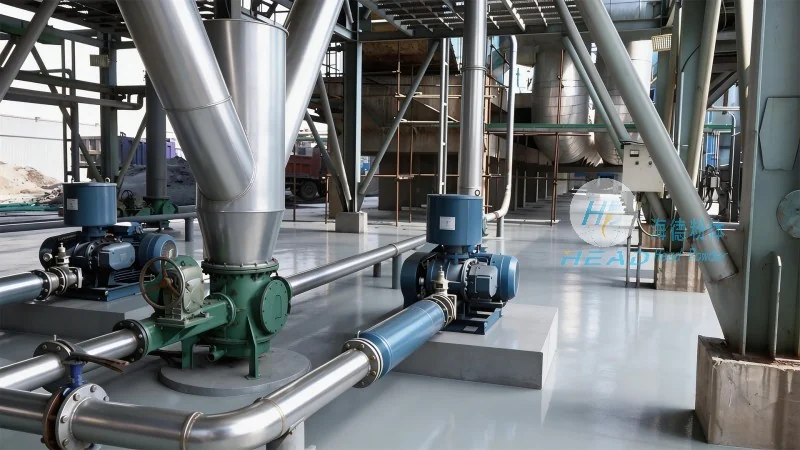
Positive pressure conveying systems operate by forcing air or gas through the conveying line, creating a positive pressure environment that moves the material. In this system, the air is introduced at the inlet of the conveyor, and the material is carried along with the air stream. This method is particularly effective for handling materials that are prone to bridging or clogging, as the positive pressure helps to break up agglomerates and maintain a consistent flow.
For mica sand applications, positive pressure conveying is often preferred when dealing with fine particles or when the material needs to be transported over longer distances. The system can handle high volumes of material and is suitable for both horizontal and vertical conveying. The equipment used in positive pressure systems, such as rotary airlocks and positive displacement blowers, is designed to maintain a consistent air flow, ensuring the material is transported smoothly without blockages.
Negative Pressure Conveying for Mica Sand
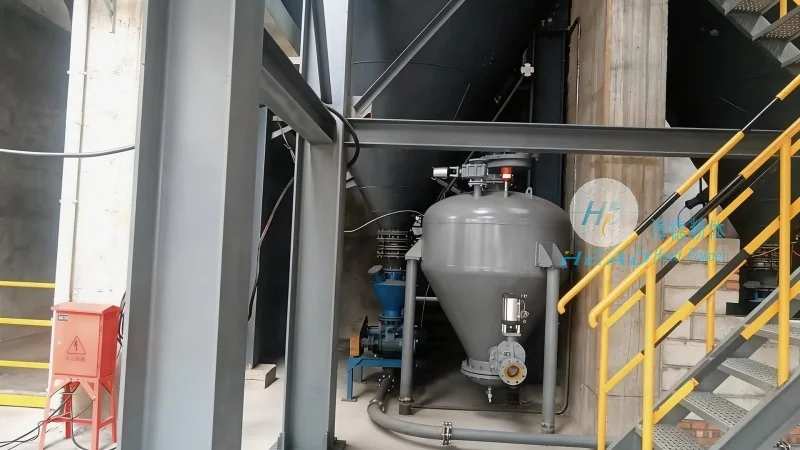
Negative pressure conveying, also known as suction conveying, operates by creating a vacuum at the inlet of the conveyor, drawing the material into the system. The air is then expelled at the discharge point, carrying the material with it. This method is ideal for applications where the material needs to be collected from multiple points or where the source is at a higher elevation than the destination.
In the context of mica sand, negative pressure conveying is commonly used for short to medium distance transport, especially when the material is to be collected from a hopper or a storage bin. The system is less likely to cause dust emissions compared to positive pressure systems, as the material is drawn into the system rather than being forced out. However, it may be less efficient for transporting large volumes of material over long distances due to the limitations of the vacuum pump's capacity.
Distinguishing Between Positive and Negative Pressure Conveying
The key differences between positive and negative pressure conveying systems lie in their operating principles, equipment requirements, and application suitability. To distinguish between them, one must consider the following factors:
Operating Principle: Positive pressure systems use compressed air to push the material, while negative pressure systems use vacuum to pull the material. This fundamental difference affects the system's design and the type of equipment used.
Equipment and Maintenance: Positive pressure systems typically require more robust equipment, such as high-pressure blowers and heavy-duty airlocks, due to the higher air pressure involved. Negative pressure systems, on the other hand, use vacuum pumps and may have simpler components, but they may require more frequent maintenance to ensure the vacuum is maintained.
Application Suitability: Positive pressure is generally better for long-distance, high-volume transport and for materials that are prone to bridging. Negative pressure is more suitable for short to medium distances, collection from multiple points, and applications where dust control is a priority.
Choosing the Right Conveying System for Mica Sand
When deciding between positive and negative pressure conveying for mica sand, several factors should be taken into account. These include the distance between the source and destination, the volume of material to be transported, the particle size and characteristics of the mica sand, and the need for dust control. Additionally, the cost of equipment, energy consumption, and maintenance requirements should be considered.
For instance, if the mica sand needs to be transported over a distance of more than 100 meters and in large quantities, a positive pressure system may be more cost-effective and efficient. Conversely, if the material is to be collected from several points and transported over a short distance, a negative pressure system could be more suitable.
Conclusion
Choosing between positive and negative pressure conveying for mica sand requires a thorough understanding of the material's properties and the specific requirements of the application. By evaluating the operating principles, equipment needs, and application suitability, one can select the most appropriate conveying system to ensure efficient and reliable mica sand transportation. Whether opting for positive or negative pressure, the goal is to minimize operational costs, maximize material throughput, and maintain a safe working environment.