

Choosing Between Positive Pressure and Negative Pressure for Feed Pellet Conveying: How to Distingui
When it comes to transporting feed pellets in industrial settings, selecting the right conveying system is crucial for efficiency, cost-effectiveness, and operational safety. Two primary methods dominate the market: positive pressure and negative pressure systems. Understanding the differences between these two approaches is essential for making an informed decision that aligns with your specific production needs. This article will explore the key distinctions, advantages, and considerations of positive pressure versus negative pressure feed pellet conveying, helping you determine which system is best suited for your operation.
Understanding the Basics: Positive Pressure and Negative Pressure Conveying
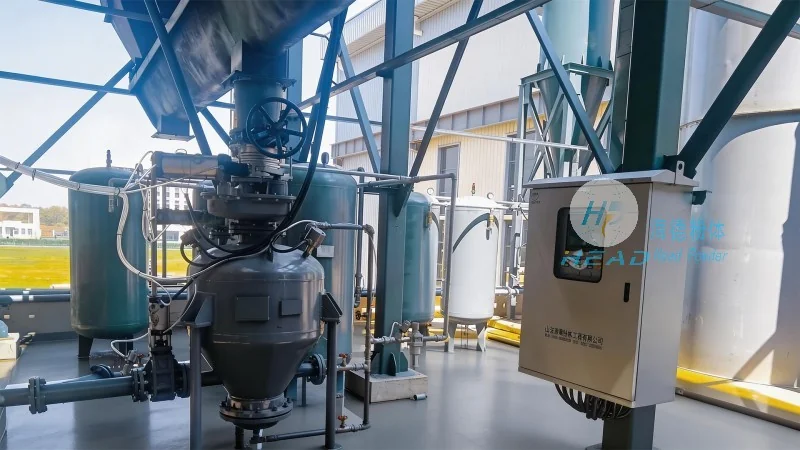
At the core of feed pellet conveying, the fundamental difference lies in how air is managed within the system. Positive pressure systems operate by blowing air into the conveying line, creating an air flow that propels the feed pellets forward. Conversely, negative pressure systems create a vacuum by drawing air out of the line, which pulls the feed pellets into the system. This fundamental distinction impacts system design, energy consumption, and overall performance.
Key Differences in System Design and Operation
Positive pressure conveying systems typically use blowers or fans to generate the necessary air pressure, pushing the feed material through the pipeline. These systems are often more straightforward in design, with components like rotary valves, airlocks, and discharge hoppers integrated into the conveying line. The air flow is continuous and directed, ensuring consistent material movement. In contrast, negative pressure systems rely on vacuum pumps or suction fans to create a low-pressure environment, drawing the feed pellets into the system. The design of negative pressure systems often includes more complex filtration and dust control measures due to the potential for air leakage and dust generation.
Advantages and Disadvantages of Each System
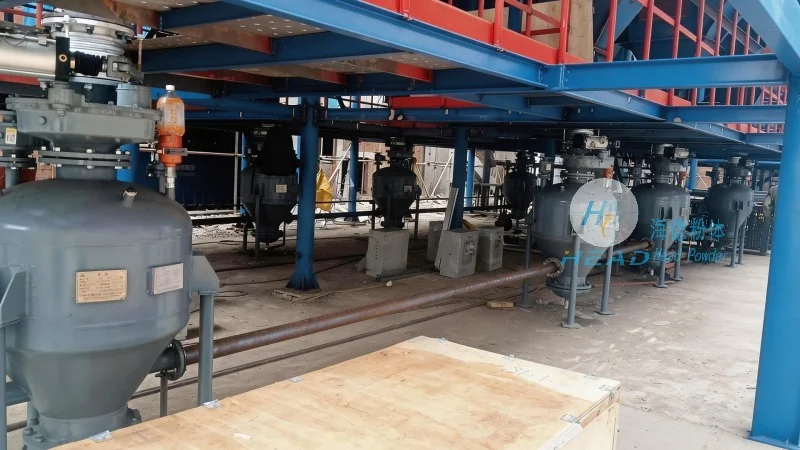
Positive pressure conveying offers several advantages, particularly in applications where long distances or high material flow rates are required. The continuous air flow ensures reliable material transport, and the system is generally easier to maintain as there are fewer components exposed to the material. However, positive pressure systems may consume more energy, especially over long distances, and can generate more noise and dust at the discharge point. Negative pressure systems, on the other hand, are often more energy-efficient for shorter distances and can handle dusty or fine materials more effectively. The vacuum environment helps contain dust, reducing the risk of environmental contamination. Nevertheless, negative pressure systems may require more robust filtration and are more susceptible to air leaks, which can affect performance and increase maintenance needs.
Factors to Consider When Choosing a Conveying System
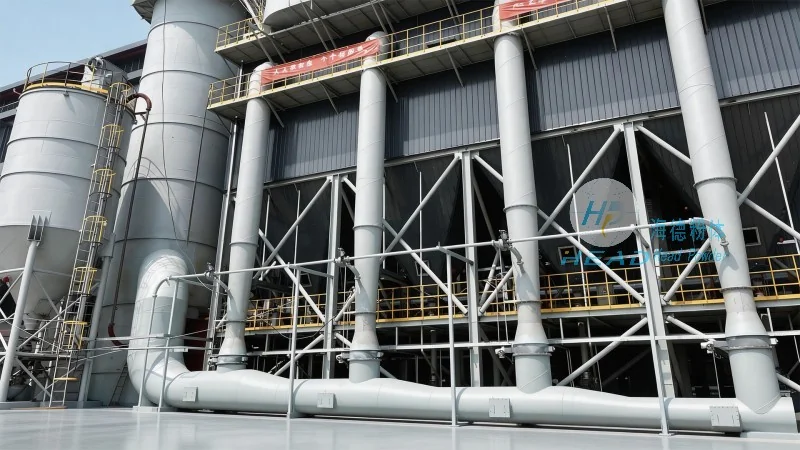
Several factors should be evaluated when deciding between positive and negative pressure feed pellet conveying. The first consideration is the distance and layout of the conveying line. For longer distances or complex layouts, positive pressure systems may be more suitable due to their ability to maintain consistent air pressure. For shorter distances or applications where dust control is a priority, negative pressure systems can be advantageous. The type and characteristics of the feed material also play a critical role. Pellets with high moisture content or fine particles may require negative pressure systems to prevent material buildup and ensure efficient transport. Additionally, the available space and infrastructure at the facility should be considered, as positive pressure systems may require more space for the blower and air handling components.
Application Examples and Real-World Scenarios
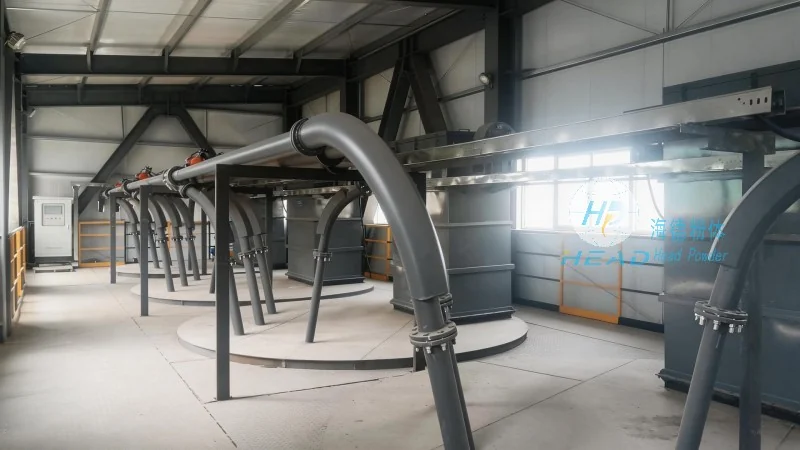
Positive pressure conveying is commonly used in large-scale feed mills where feed pellets need to be transported over significant distances, such as from storage silos to processing lines or from the main plant to satellite facilities. These systems are also suitable for applications involving abrasive or heavy feed materials that require consistent pressure to prevent blockages. Negative pressure systems are often employed in smaller operations or for conveying feed pellets in environments where dust control is paramount, such as in feed processing plants located near residential areas or in facilities with strict environmental regulations. For example, a small-scale feed mill in Shandong, China, might opt for a negative pressure system to minimize dust emissions and comply with local environmental standards.
Conclusion: Making the Right Choice for Your Feed Pellet Conveying Needs
Choosing between positive pressure and negative pressure feed pellet conveying requires a thorough evaluation of your operational requirements, material characteristics, and environmental considerations. Both systems have their unique advantages and are suitable for different applications. By understanding the fundamental differences in system design, energy consumption, and material handling capabilities, you can make an informed decision that enhances efficiency, reduces costs, and ensures compliance with industry standards. Whether you are operating a large-scale feed mill or a smaller processing facility, selecting the appropriate conveying system is a critical step in optimizing your feed production process. Shandong HeadPowder Engineering Co., Ltd., a leading provider of feed processing equipment based in Shandong, China, offers a range of conveying solutions tailored to meet the diverse needs of the feed industry. Their expertise in positive and negative pressure systems ensures that you can find the right solution to enhance your operational performance and meet your production goals.