

Choosing Between Positive Pressure and Negative Pressure for Urea Granule Conveying: How to Distingu
When it comes to transporting urea granules, selecting the right conveying method is crucial for efficiency, safety, and operational reliability. Two primary approaches are widely used: positive pressure conveying and negative pressure conveying. Understanding the differences between these systems is essential for making an informed decision that aligns with your specific production needs. This article will explore the key distinctions between positive and negative pressure urea granule conveying systems, helping you determine which option is best suited for your application.
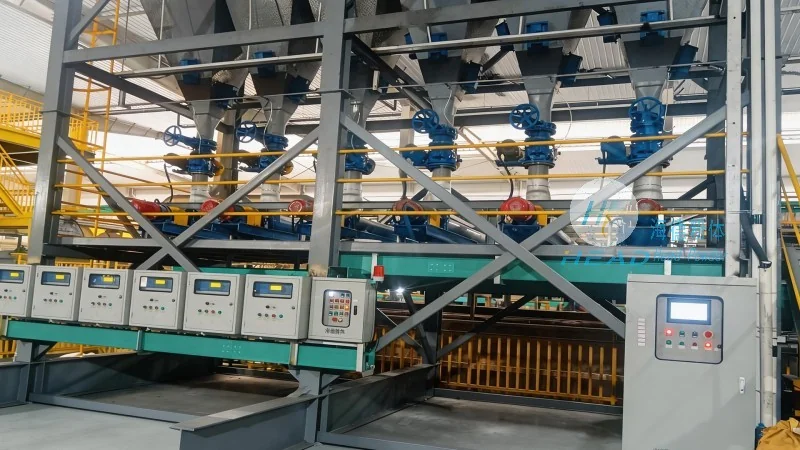
Understanding Positive Pressure Conveying for Urea Granules
Positive pressure conveying systems operate by blowing air or a carrier gas into a sealed pipeline, creating a pressure higher than the ambient environment. This pressure pushes the urea granules forward through the system. The primary advantage of positive pressure is its ability to handle a wide range of materials, including abrasive or dusty products like urea granules, without causing excessive wear on equipment. Additionally, positive pressure systems are generally more straightforward to install and maintain, as they do not require complex vacuum components. They are often preferred in applications where the conveying distance is relatively short or where the material is prone to caking or bridging, as the constant pressure helps prevent blockages.
Exploring Negative Pressure Conveying for Urea Granules
Negative pressure conveying, also known as vacuum conveying, works by creating a vacuum in the pipeline, which draws the urea granules into the system. This method relies on suction to move the material. Negative pressure systems are particularly effective for handling fine powders or granules that are sensitive to pressure changes, as they minimize the risk of product degradation. They are also well-suited for applications where the material needs to be transported over longer distances or where the receiving point is at a higher elevation than the source. However, negative pressure systems typically require more robust filtration and maintenance, as the vacuum components are more prone to clogging and wear from the granular material.
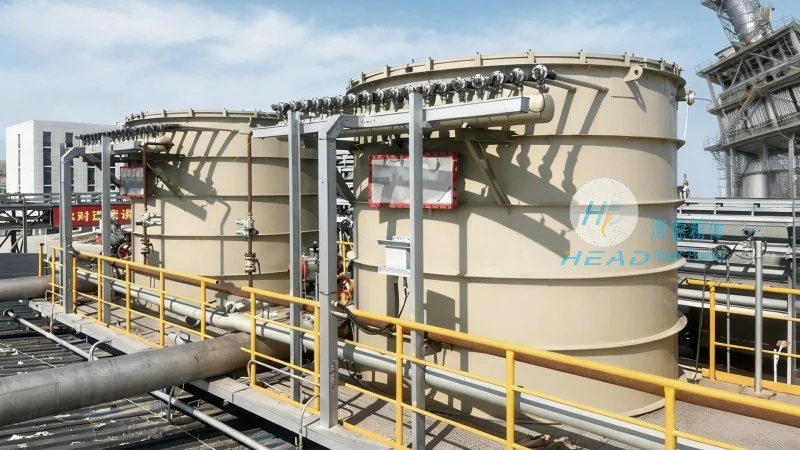
Distinguishing Between Positive and Negative Pressure Systems
The most straightforward way to differentiate between positive and negative pressure conveying systems is by analyzing the pressure dynamics within the pipeline. In a positive pressure system, the pipeline pressure is higher than the surrounding atmosphere, while in a negative pressure system, the pipeline pressure is lower than the ambient pressure. Another key distinction lies in the equipment used: positive pressure systems utilize blowers or compressors to generate the pressure, whereas negative pressure systems employ vacuum pumps. Additionally, the material handling characteristics differ, with positive pressure being better for abrasive or sticky materials and negative pressure being more suitable for delicate or fine granules. Practical considerations such as the conveying distance, the vertical elevation change, and the material's physical properties should also be evaluated when making a choice. For instance, if the urea granules are being transported over a long distance from a low source to a high destination, a negative pressure system may be more efficient due to the suction effect. Conversely, if the material is prone to caking and the distance is short, a positive pressure system might offer better performance.
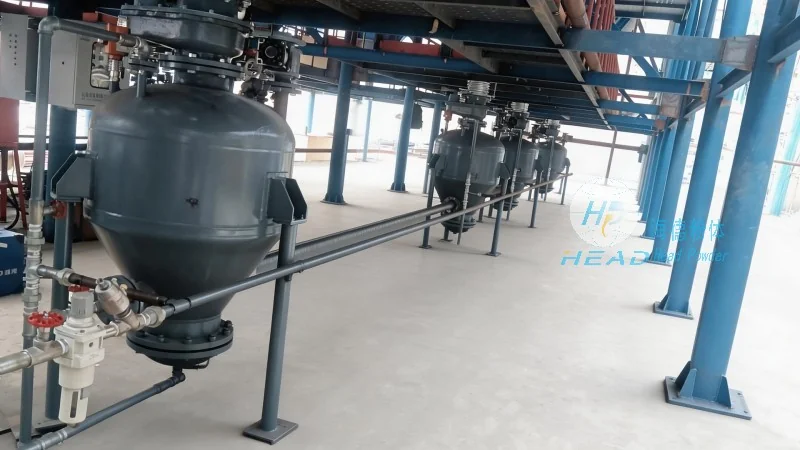
Factors to Consider When Choosing a Conveying System
When deciding between positive and negative pressure for urea granule conveying, several factors must be taken into account. The first is the material's characteristics, including its size, density, and tendency to agglomerate or clog. Urea granules, being relatively uniform and dense, may perform well in both systems, but their handling behavior under pressure or suction can influence the choice. The second factor is the conveying distance and elevation changes. Longer distances or significant vertical lifts often favor negative pressure, as the vacuum can pull the material upward with less energy consumption compared to maintaining high pressure in a positive system. Third, the system's energy efficiency and operational costs are critical. Positive pressure systems typically consume more energy due to the constant pressure generation, while negative pressure systems may require more maintenance due to the vacuum components. Finally, the available space and infrastructure at the facility should be considered. Positive pressure systems are generally more compact and easier to integrate into existing layouts, whereas negative pressure systems may need additional space for the vacuum pump and filtration equipment.
Conclusion and Recommendations
Choosing between positive and negative pressure for urea granule conveying requires a thorough evaluation of the specific application requirements. Positive pressure systems offer advantages in handling abrasive or sticky materials and are simpler to install and maintain, making them suitable for shorter conveying distances and where the material is prone to caking. Negative pressure systems excel in transporting fine granules over longer distances or when the receiving point is at a higher elevation, as they minimize product degradation and can handle more delicate materials. Ultimately, the best choice depends on a combination of material properties, operational constraints, and cost considerations. By carefully assessing these factors, you can select the most efficient and reliable conveying system for your urea granule handling needs. For further guidance, consider consulting with experts from companies like Shandong HeadPowder Engineering Co., Ltd., a leading provider of industrial conveying solutions based in China, who can offer tailored advice based on your specific production environment.