

Sodium Hydroxide Transport: Choosing Positive Pressure or Negative Pressure? How to Distinguish?
Sodium hydroxide, commonly known as caustic soda, is a highly caustic and corrosive chemical widely used in various industrial processes. Its transport requires careful consideration of system design to ensure safety, efficiency, and compliance with industry standards. The primary decision point in chemical transport is whether to employ a positive pressure or negative pressure system. This article explores the key factors influencing this choice and provides guidance on how to distinguish between the two approaches.
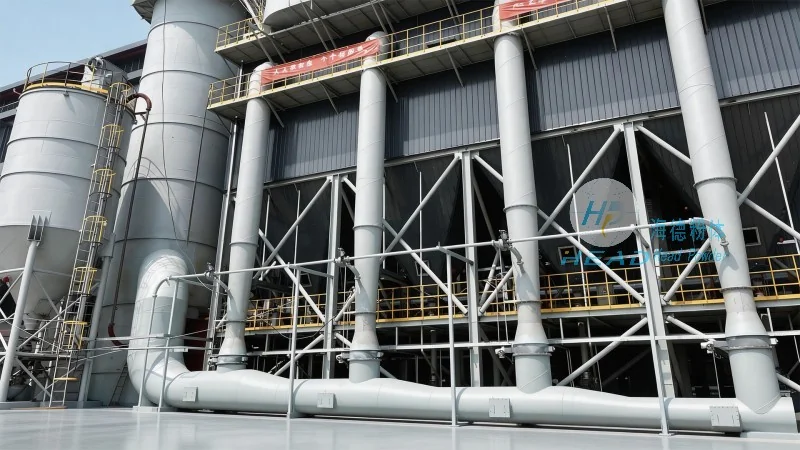
About Shandong HeadPowder Engineering Co., Ltd.
HeadPowder, a leading provider in chemical processing equipment, specializes in solutions for handling hazardous chemicals like sodium hydroxide. With a focus on engineering excellence and safety, the company offers tailored transport systems to meet diverse industrial needs. Based in Shandong, China, HeadPowder leverages local expertise and advanced manufacturing capabilities to deliver reliable and efficient solutions for chemical transport challenges.
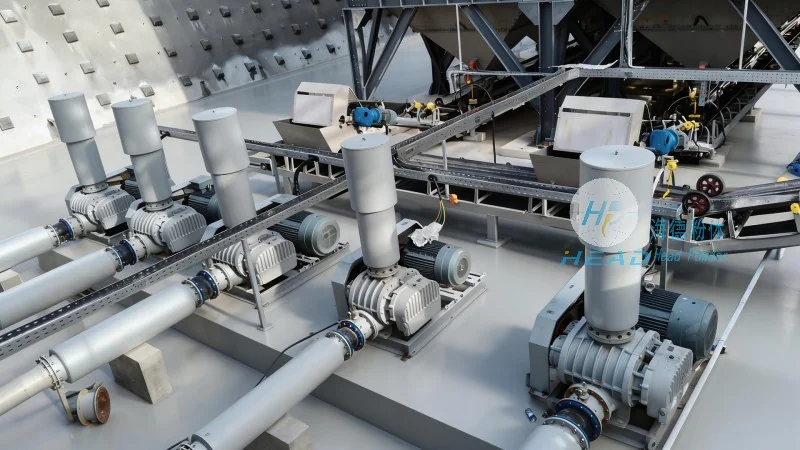
Positive Pressure Systems for Sodium Hydroxide Transport
Positive pressure systems operate by maintaining a higher pressure inside the transport line compared to the surrounding environment. This method ensures that the chemical remains under controlled pressure, preventing leaks and maintaining a consistent flow. For sodium hydroxide, which is highly reactive and can cause severe burns or corrosion, positive pressure systems are often preferred due to their ability to contain the material effectively. These systems typically use pumps or compressors to generate the necessary pressure, ensuring that the chemical is moved from the source to the destination without exposure to external air or contaminants.
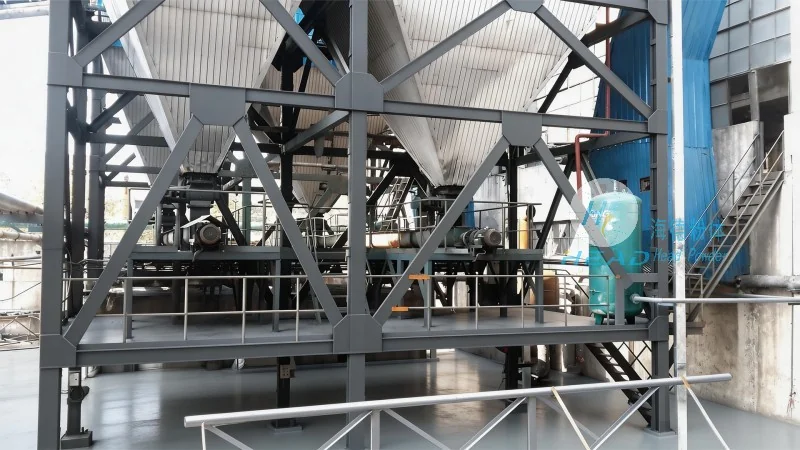
Negative Pressure Systems for Sodium Hydroxide Transport
Negative pressure systems, on the other hand, maintain a lower pressure inside the transport line than the surrounding environment. This approach is often used when the chemical is less volatile or when the system is designed to draw the material from a storage tank or container. Negative pressure systems rely on vacuum or suction to move the chemical, which can be more energy-efficient in certain scenarios. However, for highly corrosive substances like sodium hydroxide, negative pressure systems may pose additional risks, as any breach in the system could lead to uncontrolled release of the chemical into the environment.
Distinguishing Between Positive and Negative Pressure Systems
The choice between positive and negative pressure systems for sodium hydroxide transport depends on several critical factors, including the chemical's properties, the distance of transport, and the available infrastructure. Key considerations include:
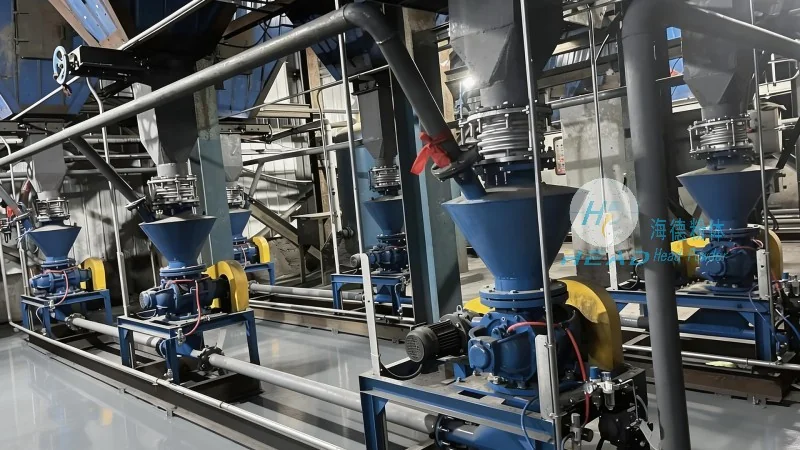
- Chemical Compatibility: Sodium hydroxide's high reactivity and corrosiveness require systems that can withstand its effects. Positive pressure systems generally offer better containment, making them suitable for long-distance or high-risk applications.
- System Complexity and Maintenance: Positive pressure systems may require more complex equipment and regular maintenance to ensure pressure integrity. Negative pressure systems can be simpler but may need additional safeguards to prevent leaks or contamination.
- Energy Efficiency: Negative pressure systems can be more energy-efficient for short distances or when the chemical is less aggressive. However, the energy costs associated with maintaining a vacuum may offset this advantage for larger-scale operations.
- Regulatory Compliance: Industry standards and local regulations often dictate the appropriate system for handling hazardous chemicals. Positive pressure systems are typically favored in regions with stringent safety requirements due to their superior containment capabilities.
Conclusion: Making the Right Choice for Sodium Hydroxide Transport
Choosing between positive and negative pressure systems for sodium hydroxide transport is a critical decision that impacts safety, efficiency, and operational costs. By evaluating the chemical's properties, the specific transport requirements, and regulatory guidelines, industrial facilities can select the most appropriate system. HeadPowder Engineering Co., Ltd. provides expert consultation and customized solutions to help clients navigate these choices, ensuring safe and effective handling of sodium hydroxide in their operations. With a commitment to quality and safety, HeadPowder supports industries in meeting their chemical transport needs while adhering to the highest standards of industrial practice.