

High-Temperature Fly Ash Conveying: Positive Pressure vs. Negative Pressure - How to Distinguish?
When it comes to transporting high-temperature fly ash, choosing the right conveying method is crucial for efficiency, safety, and operational reliability. Two primary approaches dominate the industry: positive pressure conveying and negative pressure conveying. Understanding the differences between these systems is essential for selecting the most suitable solution for your specific application. This article will explore the key characteristics, advantages, and considerations of both positive and negative pressure systems, helping you make an informed decision.
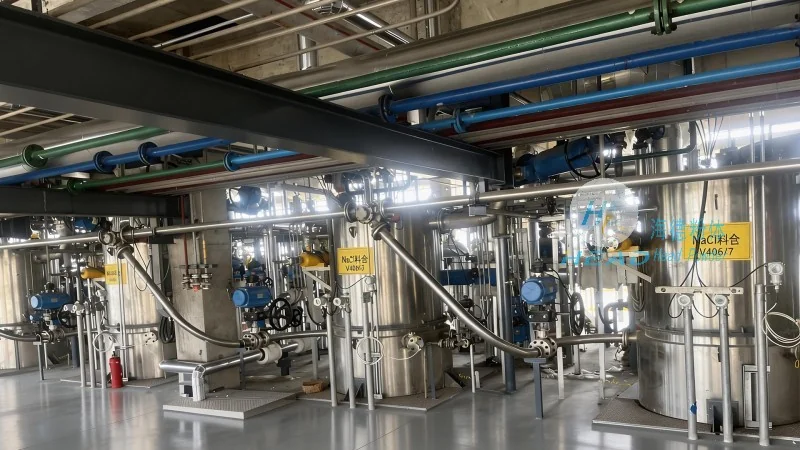
Understanding High-Temperature Fly Ash and Conveying Challenges
High-temperature fly ash, often generated from coal-fired power plants or industrial furnaces, poses unique challenges during transportation. Its temperature can range from several hundred degrees Celsius, and it may contain abrasive particles or corrosive components. The conveying system must not only handle these extreme conditions but also ensure minimal material loss, prevent air pollution, and maintain operational safety. These factors make the selection of an appropriate conveying method a critical engineering decision.
Positive Pressure Conveying Systems
Positive pressure conveying systems operate by blowing air or a gas mixture into the conveying line, creating a pressure higher than the ambient air pressure. This method propels the fly ash through the pipeline using a positive pressure differential. A key advantage of positive pressure systems is their ability to handle abrasive and corrosive materials effectively, as the high-pressure air helps to keep the material suspended and prevents it from settling or damaging the pipeline. Additionally, positive pressure systems are generally more straightforward to install and maintain, with fewer components compared to negative pressure systems. However, they may require more energy to operate due to the need to maintain a positive pressure throughout the system.
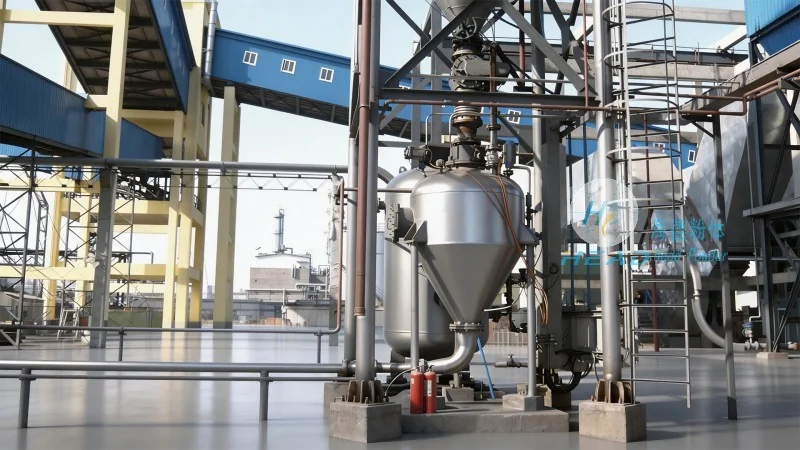
Negative Pressure Conveying Systems
Negative pressure conveying systems, also known as vacuum conveying, work by creating a vacuum in the conveying line, which draws the fly ash from the source into the system. The pressure inside the pipeline is lower than the ambient air pressure, pulling the material through the line. One of the main benefits of negative pressure systems is their lower energy consumption, as they only need to overcome the resistance to airflow rather than maintain a high pressure. This can lead to cost savings in energy usage, especially for long-distance or large-volume conveying. Additionally, negative pressure systems are often more suitable for applications where the source is located at a higher elevation or where the material needs to be transported to a lower point. However, they may be less effective with highly abrasive or sticky materials, as the vacuum can cause material to stick to the pipeline walls, leading to blockages or reduced efficiency.
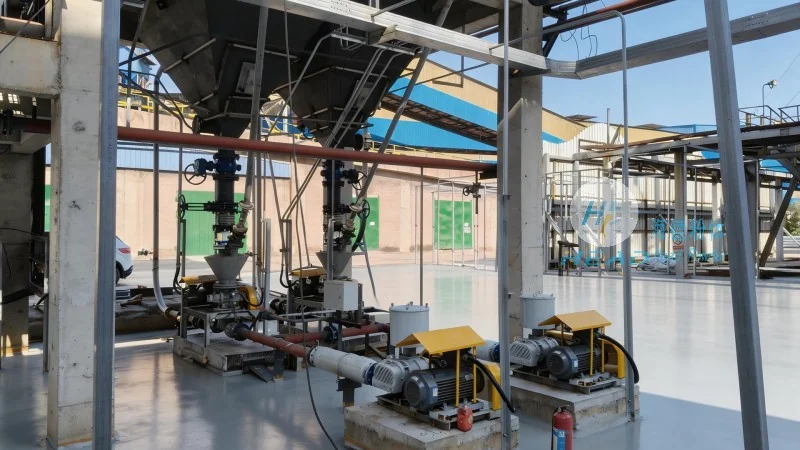
Key Differences and Selection Criteria
When deciding between positive and negative pressure conveying for high-temperature fly ash, several factors should be considered. The first is the material characteristics: abrasive or corrosive materials may favor positive pressure systems due to their ability to keep particles suspended. Conversely, non-abrasive materials or those that are less likely to stick to the pipeline may work well with negative pressure systems. The second factor is the distance and volume of material to be conveyed. Positive pressure systems are typically better suited for shorter distances or moderate volumes, while negative pressure systems can handle longer distances and larger volumes more efficiently. The third factor is energy consumption and operational costs. Positive pressure systems generally require more energy, which can increase long-term operational expenses. Negative pressure systems, while more energy-efficient, may have higher initial costs due to the need for vacuum pumps and additional components. Finally, the location of the source and destination also plays a role. If the source is at a higher elevation and the destination is lower, negative pressure may be more appropriate, as it can draw material downward. Conversely, if the source is lower and the destination is higher, positive pressure may be more suitable.
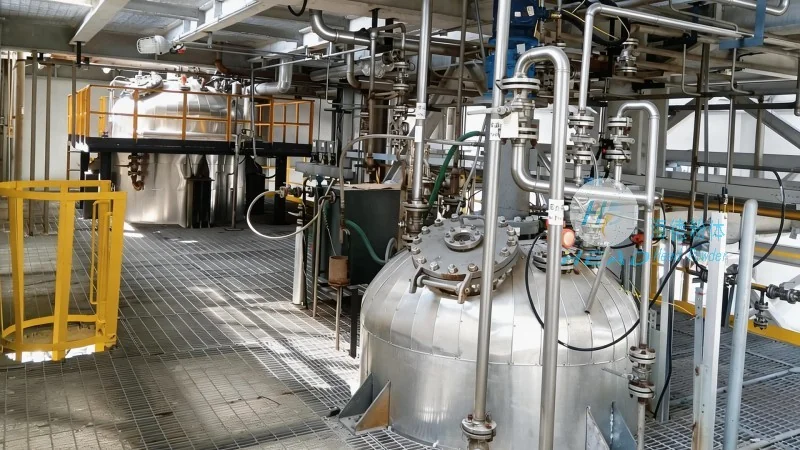
Case Study: Application of Positive Pressure Conveying by Shandong HeadPowder Engineering Co., Ltd.
Shandong HeadPowder Engineering Co., Ltd., a leading provider of industrial conveying solutions, has extensive experience in implementing positive pressure systems for high-temperature fly ash applications. One of their recent projects involved a coal-fired power plant in Shandong, China, where the plant needed to transport fly ash from the boiler to a storage silo. The system was designed to handle temperatures up to 400°C and abrasive fly ash particles. The positive pressure conveying system installed by HeadPowder used high-pressure air to maintain a pressure of 0.5 bar above ambient, ensuring the fly ash was effectively suspended and conveyed without blockages. The system demonstrated high efficiency, with minimal material loss and low maintenance requirements. The plant reported a significant reduction in operational costs due to the system's reliability and energy efficiency. This case study highlights the effectiveness of positive pressure systems in handling high-temperature, abrasive materials and the expertise of HeadPowder in designing and implementing such systems.
Conclusion: Making the Right Choice for Your High-Temperature Fly Ash Conveying Needs
Choosing between positive and negative pressure conveying for high-temperature fly ash requires a careful evaluation of material characteristics, conveying distance, energy costs, and operational requirements. Positive pressure systems offer robustness and effectiveness for abrasive materials but may require more energy. Negative pressure systems provide energy efficiency and are suitable for longer distances but may be less effective with sticky or highly abrasive materials. By understanding these differences and considering the specific needs of your application, you can select the most appropriate conveying system. For expert guidance and customized solutions, companies like Shandong HeadPowder Engineering Co., Ltd. can provide valuable support, leveraging their experience and technical expertise to ensure the success of your high-temperature fly ash conveying project.