

Design Considerations for Poultry Essence Pneumatic Conveying Systems
When designing a pneumatic conveying system for poultry essence, several critical factors must be considered to ensure efficiency, reliability, and cost-effectiveness. The system's performance is directly influenced by the selection of components, material handling characteristics, and operational parameters. This article outlines key design considerations that help engineers and facility managers optimize their pneumatic conveying solutions for poultry essence applications.
Key Design Considerations for Pneumatic Conveying Systems
1. **Material Properties and Flow Characteristics**: Poultry essence is a fine powder with specific bulk density, particle size distribution, and moisture content. These properties affect the air velocity required for proper transport. Engineers must conduct thorough material testing to determine the appropriate air velocity and pressure drop across the system. The headpowder team recommends using high-velocity, low-pressure systems for fine powders like poultry essence to minimize particle degradation and system wear.
System Component Selection
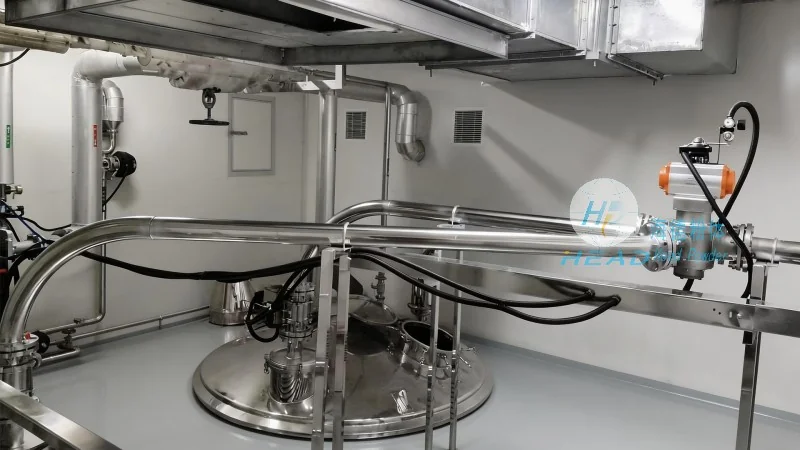
2. **Conveying Line Design**: The design of the conveying line, including pipe diameter, material, and layout, is crucial. For poultry essence, stainless steel or food-grade plastic pipes are preferred to prevent contamination and corrosion. The pipe diameter should be sized based on the required air velocity and material flow rate. Properly sized elbows and bends are essential to maintain air flow efficiency and avoid pressure losses. The company, Shandong HeadPowder Engineering Co., Ltd., specializes in customizing conveying line layouts to fit specific facility geometries and operational needs.
Feeding and Metering Systems
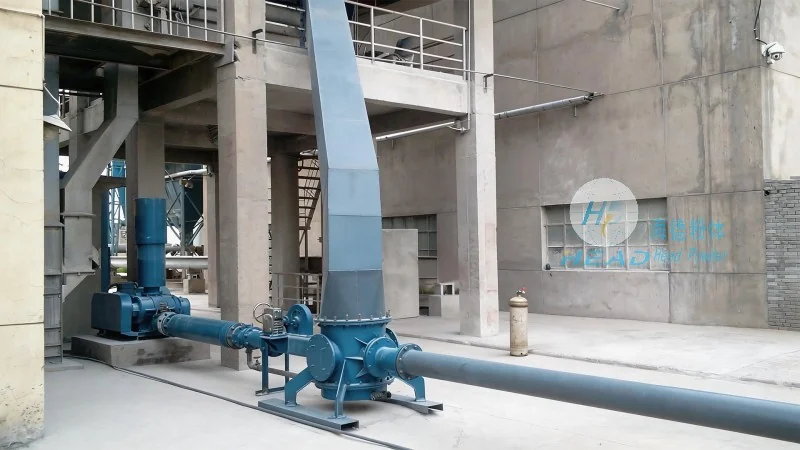
3. **Feeder Selection**: The feeding system must consistently deliver the correct amount of poultry essence into the conveying line. Screw feeders, rotary valves, or pneumatic feeders are commonly used. The choice depends on the material's flowability and the required feed rate. For poultry essence, which can be cohesive or have variable flow properties, a variable-speed screw feeder or a rotary airlock valve may be more suitable. These systems ensure a stable feed rate, preventing surges or blockages that could damage the system.
Separation and Collection Systems
4. **Separator Design**: After the conveying process, a separator is needed to separate the product from the air stream. Cyclone separators are commonly used for fine powders due to their efficiency in capturing particles. The design of the cyclone, including its diameter, cone angle, and inlet velocity, must be optimized to achieve high separation efficiency without excessive pressure drop. For poultry essence, which is highly valuable, ensuring minimal product loss in the separator is critical. The company's engineers often recommend multi-stage separation systems to improve recovery rates.
Control and Monitoring Systems
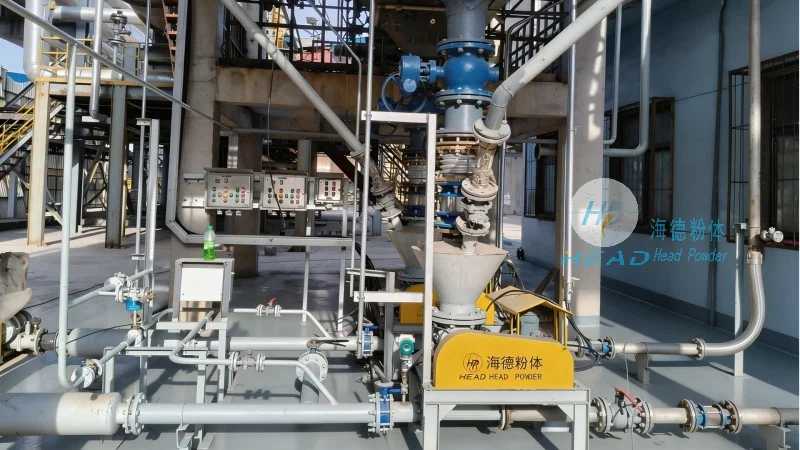
5. **Automation and Control**: Modern pneumatic conveying systems benefit from automation to enhance operational efficiency and reduce labor costs. Control systems can monitor pressure, flow rate, and temperature in real-time, alerting operators to any deviations or issues. For poultry essence applications, where product quality is paramount, closed-loop control systems are recommended. These systems adjust air pressure or feed rate automatically to maintain consistent performance. The use of sensors and data loggers also helps in predictive maintenance, extending the system's lifespan and reducing downtime.
Environmental and Safety Considerations
6. **Dust Control and Safety**: Pneumatic conveying of fine powders like poultry essence generates dust, which poses health and safety risks. Proper dust collection systems, such as baghouses or cartridge filters, must be integrated into the design to capture airborne particles. Additionally, explosion-proof components are required in areas where the powder is flammable. The company adheres to strict safety standards, ensuring all systems comply with local regulations and industry best practices. This includes regular maintenance and inspection of dust collection equipment to prevent fires or explosions.
Case Study: Custom Pneumatic Conveying System for Poultry Essence
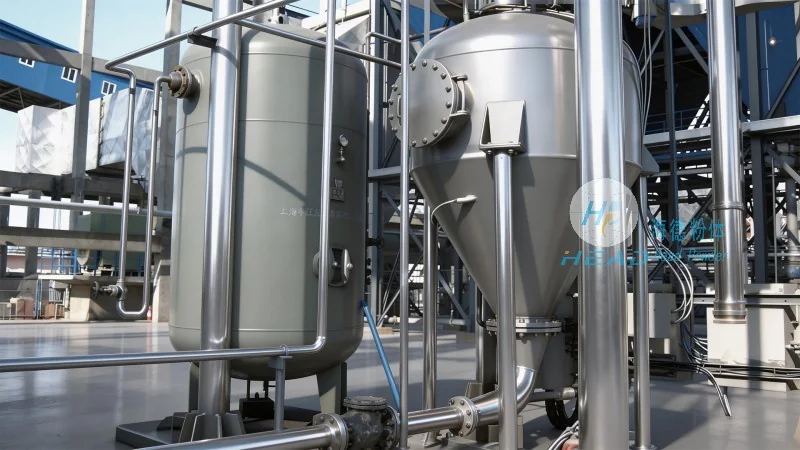
Shandong HeadPowder Engineering Co., Ltd. recently completed a project for a poultry processing facility in China. The client required a pneumatic conveying system to transport poultry essence from a storage silo to a packaging line. The system was designed with a high-velocity, low-pressure conveying line using stainless steel pipes and a variable-speed screw feeder. The cyclone separator was optimized for high recovery rates, and an automated control system was implemented to monitor and adjust the process. The final system achieved a 98% product recovery rate with minimal pressure drop, reducing energy consumption by 15% compared to traditional systems. This case study highlights the importance of customizing the design to meet specific operational requirements and maximize efficiency.
Conclusion
Designing a pneumatic conveying system for poultry essence involves careful consideration of material properties, component selection, and operational parameters. By addressing these key factors, engineers can develop a system that is efficient, reliable, and cost-effective. The expertise of companies like Shandong HeadPowder Engineering Co., Ltd. is crucial in ensuring that these systems are tailored to the specific needs of poultry processing facilities. With proper design and maintenance, pneumatic conveying systems can significantly improve the productivity and profitability of poultry essence handling operations.