

Design Considerations for White Mud Pneumatic Conveying Systems
White mud, a byproduct of the papermaking industry, requires efficient and reliable handling for processing and disposal. Pneumatic conveying systems offer a solution that minimizes dust, reduces labor costs, and enhances safety in material transport. This article outlines key design considerations for effective white mud pneumatic conveying systems, ensuring optimal performance and longevity.
Understanding the Core Components of Pneumatic Conveying
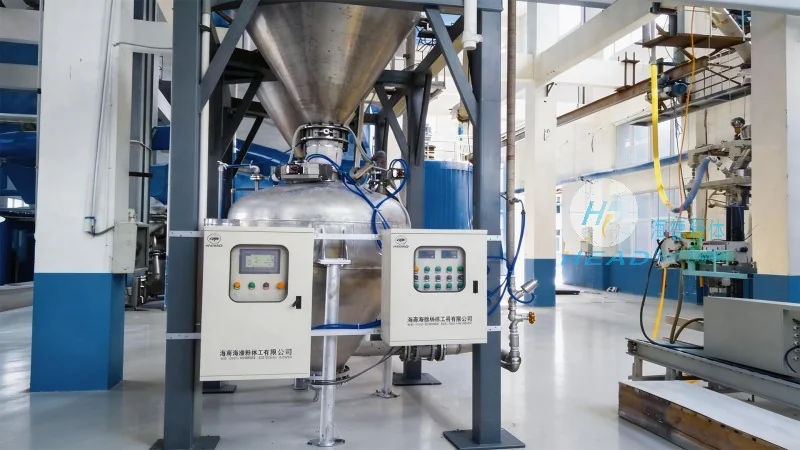
The success of a white mud pneumatic conveying system hinges on its core components, each playing a critical role in the material transport process. Key elements include the material feed hopper, which stores and feeds the white mud into the system; the air compressor, responsible for generating the necessary pressure to move the material; and the conveying pipeline, which transports the white mud from the source to the destination. Each component must be selected and sized appropriately to handle the specific characteristics of white mud, such as its moisture content, particle size, and bulk density.
Material Characteristics and Their Impact on System Design
White mud's physical properties significantly influence the design of the pneumatic conveying system. For instance, high moisture content can lead to caking or blockages in the pipeline, requiring the use of heated air or specialized materials to maintain flow. Particle size distribution affects the air velocity needed to transport the material, as finer particles may require higher air speeds to prevent settling. Bulk density, which varies based on the processing stage, impacts the system's capacity and energy consumption. Engineers must conduct thorough material testing to determine these properties accurately, ensuring the system is tailored to the specific white mud being handled.
System Sizing and Capacity Planning
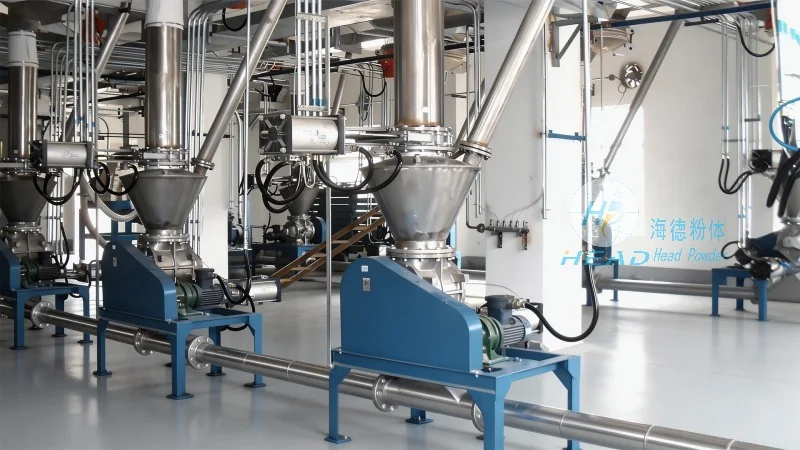
Proper sizing of the pneumatic conveying system is crucial to avoid underperformance or excessive energy costs. The system's capacity must match the production rate of the white mud, ensuring that the feed hopper and conveying pipeline can handle the required flow rate without bottlenecks. This involves calculating the required air volume and pressure based on the material's characteristics and the distance between the source and destination. Over-sizing can lead to unnecessary energy consumption, while under-sizing may result in system failure or reduced efficiency. A detailed flow analysis and capacity assessment are essential steps in the design process.
Material Feed and Hopper Design
The material feed hopper is a critical component that directly impacts the system's reliability. It must be designed to prevent material bridging or rat-holing, which can cause blockages and system shutdowns. The hopper's shape, typically conical or hopper-bottomed, and the use of agitators or vibrators can help maintain material flow. Additionally, the hopper should be equipped with level sensors to monitor material levels and trigger feeding when necessary. Proper sealing of the hopper is also important to prevent dust emissions and maintain air pressure within the system. The design must consider the material's abrasiveness, as white mud can be corrosive and wear on equipment, requiring the use of durable materials like stainless steel or special coatings.
Air Compressor Selection and Operation
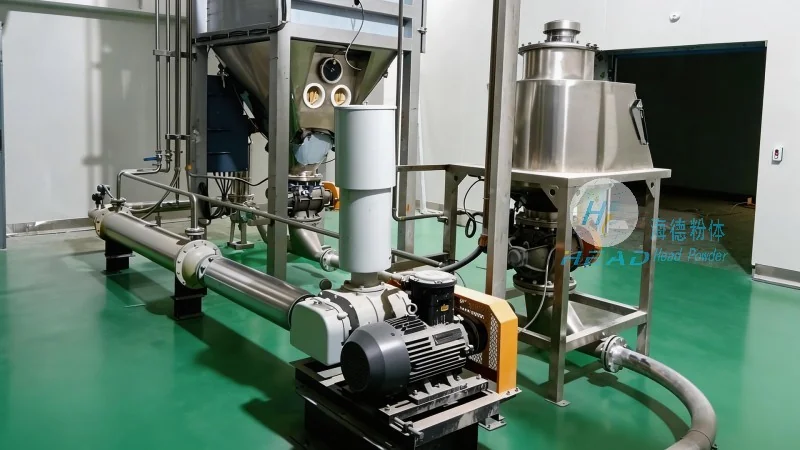
The air compressor is the heart of the pneumatic conveying system, providing the necessary pressure to move the white mud through the pipeline. The choice of compressor type—such as rotary screw, reciprocating, or centrifugal—depends on factors like the required pressure, flow rate, and system layout. Rotary screw compressors are commonly used for white mud applications due to their efficiency and ability to handle high volumes of air. The compressor must be sized to deliver the required air volume at the appropriate pressure, with considerations for pressure drops in the pipeline and any losses due to material carryover. Regular maintenance of the compressor is essential to ensure consistent performance and prevent breakdowns. Monitoring parameters such as pressure, temperature, and vibration can help detect issues early and prolong the equipment's lifespan.
Conveying Pipeline and Fittings
The conveying pipeline is a key element that determines the system's efficiency and reliability. The material of construction is critical, as white mud can be abrasive and corrosive. Stainless steel or high-grade plastic pipes are commonly used to withstand the wear and tear. The pipeline's diameter and length must be optimized to balance pressure drop and energy consumption. Fittings such as elbows, tees, and valves are essential for directing the material flow and controlling the system. Proper sealing of fittings is necessary to prevent air leaks, which can reduce system efficiency and increase energy costs. The use of flexible connectors and expansion joints can help accommodate thermal expansion and reduce stress on the pipeline. Regular inspection of the pipeline for signs of wear or corrosion is recommended to maintain system performance.