

Design Considerations for Gypsum Dust Pneumatic Conveying Systems
Gypsum dust, a byproduct of industrial processes such as cement production and plaster manufacturing, requires efficient and reliable transportation methods to ensure safe and cost-effective handling. Pneumatic conveying systems have emerged as a preferred solution for moving gypsum dust due to their ability to handle fine powders with minimal loss and contamination. However, the design of these systems demands careful consideration of several key factors to achieve optimal performance and longevity. This article outlines essential design considerations for gypsum dust pneumatic conveying systems, highlighting the expertise of Shandong HeadPowder Engineering Co., Ltd., a leading provider in the field.
Key Design Considerations for Gypsum Dust Pneumatic Conveying
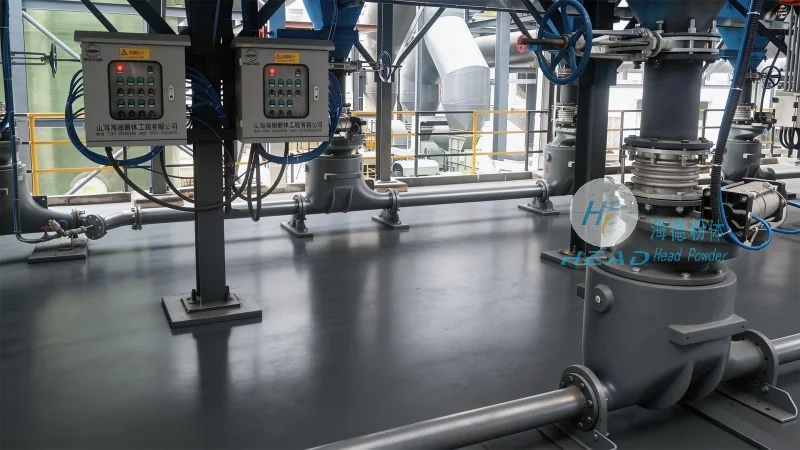
When designing a pneumatic conveying system for gypsum dust, several critical factors must be addressed to ensure efficiency and reliability. First, the material characteristics of gypsum dust, including its particle size, density, and moisture content, play a crucial role in system selection. Fine gypsum powders often require high-pressure or dense-phase conveying to prevent clogging and maintain consistent flow. The choice between positive pressure and negative pressure systems also depends on the specific application and distance of material transport. Additionally, the system's capacity and flow rate must be matched to the production requirements, ensuring that the conveying line can handle the expected volume without bottlenecks.
Material Handling and Equipment Selection
Equipment selection is a pivotal aspect of system design. For gypsum dust, components such as rotary valves, feeders, and airlocks must be chosen to handle fine powders without degradation. Rotary valves, for instance, are commonly used to feed gypsum dust into the conveying line, providing a controlled and consistent flow. The selection of air compressors and filters is equally important, as they directly impact the system's efficiency and maintenance costs. High-quality air compressors with appropriate pressure ratings and filtration systems are essential to maintain the purity of the conveying air and prevent dust accumulation in the system. Furthermore, the use of wear-resistant materials in components like pipelines and elbows is critical to extend the system's lifespan, especially when handling abrasive gypsum dust.
System Layout and Installation Considerations
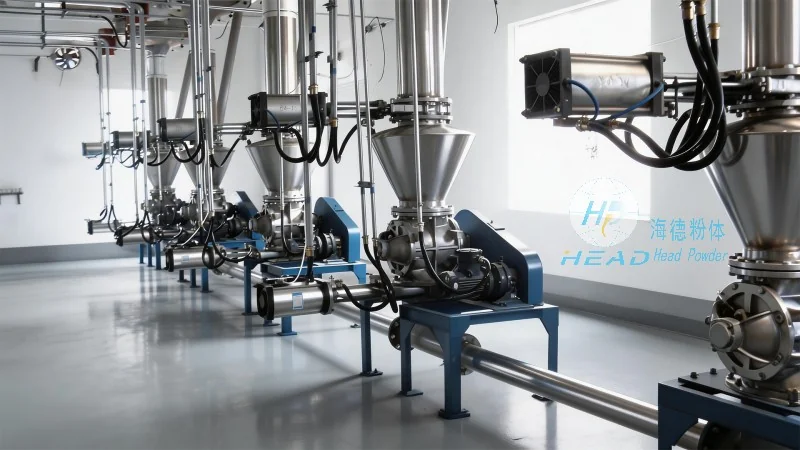
The layout of the pneumatic conveying system significantly influences its performance. Proper alignment of the conveying line, including the use of appropriate bends and elbows, minimizes pressure losses and reduces the risk of material deposition. The elevation changes in the system must be carefully planned to avoid excessive pressure drops or vacuum issues. Additionally, the installation of dust collection and filtration systems is essential to comply with environmental regulations and maintain air quality. The integration of these systems with the conveying line requires meticulous planning to ensure seamless operation and minimal downtime. Shandong HeadPowder Engineering Co., Ltd. specializes in designing customized layouts that optimize material flow while adhering to safety and environmental standards.
Control Systems and Automation
Modern pneumatic conveying systems benefit from advanced control systems and automation to enhance efficiency and reduce operational costs. Automated controls allow for real-time monitoring of flow rates, pressure, and temperature, enabling immediate adjustments to maintain optimal performance. The integration of sensors and programmable logic controllers (PLCs) provides precise control over the system's operation, minimizing human intervention and potential errors. Additionally, automated cleaning and maintenance schedules can be programmed to prevent system downtime and extend equipment life. For gypsum dust applications, where consistent quality is paramount, automation ensures that the system operates within specified parameters, maintaining the purity and quality of the conveyed material. HeadPowder, as a leading engineering firm, offers comprehensive automation solutions tailored to the unique needs of gypsum dust handling.
Maintenance and Operational Best Practices
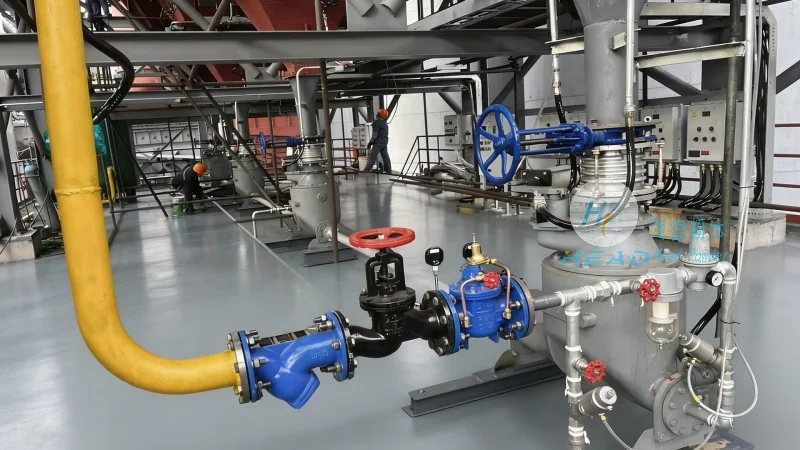
Regular maintenance is crucial to ensure the long-term reliability of a gypsum dust pneumatic conveying system. Routine inspections of components such as rotary valves, air compressors, and filters are essential to identify and address potential issues before they escalate. The use of high-quality replacement parts and adherence to manufacturer guidelines for maintenance intervals is critical to maintain system performance. Operational best practices, such as proper startup and shutdown procedures, also contribute to the system's longevity. For example, gradual pressure buildup during startup and controlled pressure release during shutdown can prevent damage to components and reduce wear. Additionally, monitoring system performance metrics, such as pressure drop and flow rate, over time helps identify trends and predict maintenance needs. Shandong HeadPowder Engineering Co., Ltd. provides comprehensive maintenance services and training to help clients optimize system performance and minimize downtime.
Environmental and Safety Considerations
Environmental and safety considerations are paramount when designing gypsum dust pneumatic conveying systems. The system must be designed to minimize dust emissions and comply with local environmental regulations. This includes the use of efficient dust collection systems and proper ventilation to maintain air quality. Safety features, such as pressure relief valves and emergency shut-off mechanisms, are essential to prevent accidents and protect personnel. The system's design must also account for the potential for dust explosions, incorporating explosion-proof components where necessary. Additionally, proper training for operators and maintenance personnel is critical to ensure safe operation. By addressing these considerations, the system not only meets regulatory requirements but also enhances workplace safety and environmental sustainability. HeadPowder, with its expertise in engineering, ensures that all systems are designed with safety and environmental compliance as top priorities.