

Design Considerations for the Pneumatic Conveying System of Wood Ash
When designing a pneumatic conveying system for wood ash, several critical factors must be considered to ensure efficiency, reliability, and cost-effectiveness. The system's performance is directly linked to the selection of components, material properties, and operational parameters. This article outlines key design considerations tailored for wood ash applications, providing insights that can help engineers and facility managers optimize their systems.
Understanding the Core Components of a Wood Ash Pneumatic Conveying System
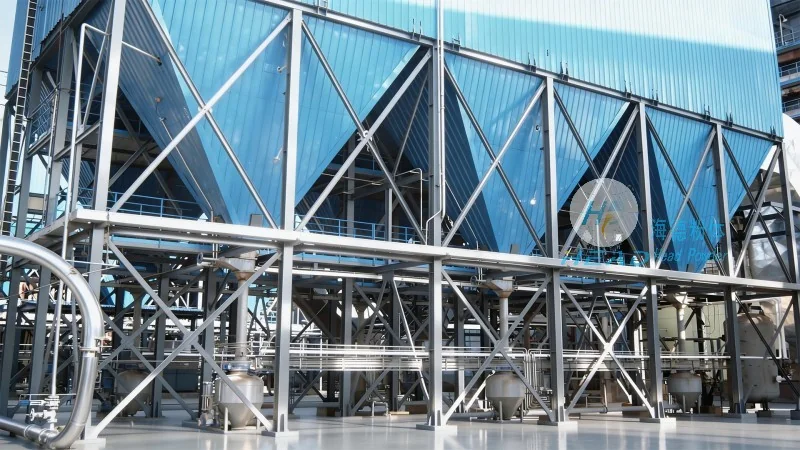
A pneumatic conveying system for wood ash typically consists of several key components, each playing a vital role in the overall operation. The primary elements include a hopper or feeder to introduce the material, a blower or compressor to generate the air flow, a pipeline network to transport the ash, and a receiver or discharge unit to collect the material at the destination. The choice of these components depends on the specific characteristics of the wood ash, such as its particle size, moisture content, and bulk density. For example, fine wood ash particles may require a higher air velocity to prevent clogging, while coarser particles might need a larger pipe diameter to maintain flow.
Material Properties and Their Impact on System Design
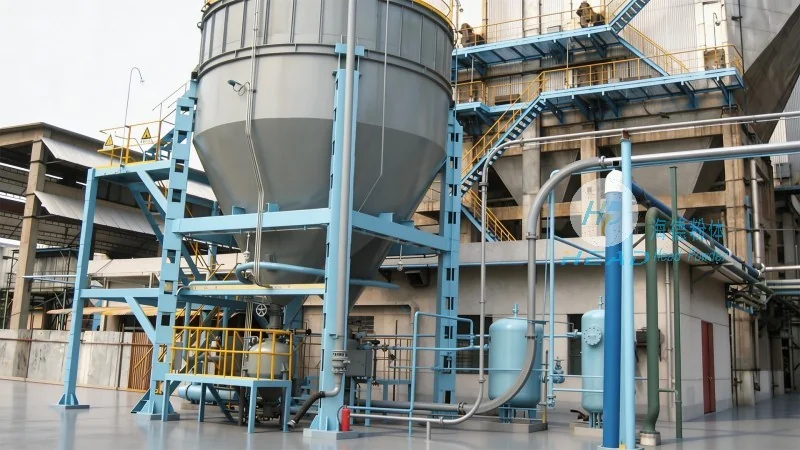
The physical and chemical properties of wood ash significantly influence the design of the pneumatic conveying system. Wood ash is often a fine, powdery material with varying particle sizes, which can affect the air flow and pressure drop in the system. Moisture content is another critical factor; if the ash is too wet, it may lead to blockages or increased energy consumption. Additionally, the ash's bulk density and flowability determine the required hopper design and feeder type. For instance, a hopper with a conical bottom and a vibratory feeder may be more suitable for handling cohesive wood ash, as it helps prevent material bridging and ensures consistent feed rates.
Selection of Airflow and Pressure Systems
The airflow and pressure system is the heart of any pneumatic conveying system. The choice between positive pressure and negative pressure systems depends on the application and material characteristics. Positive pressure systems, where air is forced through the pipeline, are commonly used for wood ash due to their ability to handle abrasive materials and prevent dust emissions. The blower or compressor must be selected based on the required air volume and pressure. For wood ash, a centrifugal blower is often preferred for its efficiency and ability to handle high volumes of air. The pressure drop along the pipeline must be carefully calculated to ensure sufficient air velocity to maintain material transport. This involves considering factors like pipe diameter, length, and the number of bends or fittings, as each of these elements contributes to the overall pressure loss.
Preventing Clogging and Ensuring System Reliability
Clogging is a major concern in wood ash pneumatic conveying systems, as the fine particles can easily accumulate in the pipeline or at the discharge point. To mitigate this issue, several design strategies are employed. One approach is to use a larger pipe diameter to reduce the air velocity and prevent particle separation. Another is to incorporate cleaning mechanisms, such as air cannons or pulse jets, which periodically clear the pipeline of any accumulated material. Additionally, the use of a filter or cyclone at the receiver can help remove fine particles that may have escaped the conveying process, preventing them from re-entering the system and causing further blockages. Regular maintenance and monitoring of the system are also essential to ensure long-term reliability.
Energy Efficiency and Cost Considerations
Energy efficiency is a critical factor in the design of wood ash pneumatic conveying systems, as the operation can be energy-intensive. The selection of the blower or compressor, along with the pipe diameter and system layout, directly impacts the energy consumption. For example, using a larger pipe diameter reduces the air velocity, which in turn lowers the energy required to move the material. Additionally, optimizing the system layout to minimize the number of bends and fittings can reduce pressure drop and improve energy efficiency. The use of variable frequency drives (VFDs) to control the blower speed can also help adjust the air flow based on the actual demand, further reducing energy waste. These measures not only lower operational costs but also contribute to a more sustainable and environmentally friendly system.
Integration with Existing Infrastructure and Facility Layout
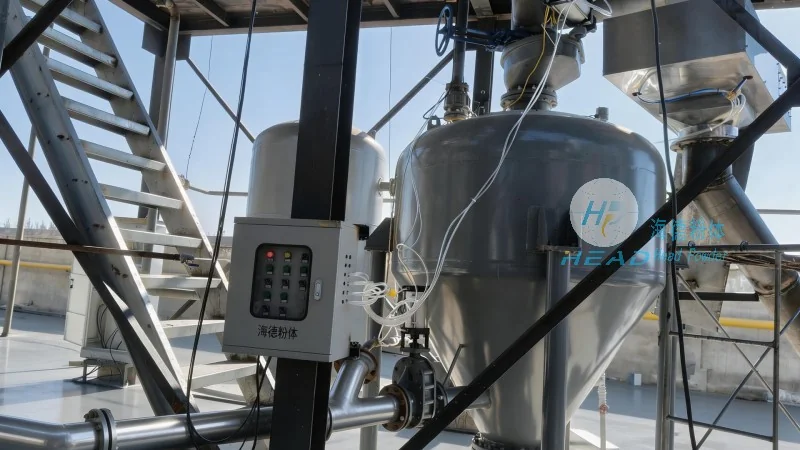
The design of a wood ash pneumatic conveying system must consider the existing infrastructure and facility layout. The system should be integrated seamlessly with the existing storage, processing, or disposal facilities to minimize disruption and maximize efficiency. The location of the hopper, blower, and receiver must be carefully planned to ensure that the pipeline layout is as short and direct as possible, reducing pressure losses and energy consumption. Additionally, the system should be designed to accommodate future expansion or changes in the facility layout. This may involve using flexible pipe connections or modular components that can be easily reconfigured as needed. Proper planning during the design phase can help avoid costly modifications later on.
Safety and Environmental Considerations
Safety and environmental compliance are paramount when designing a wood ash pneumatic conveying system. Wood ash is often a fine powder that can create dust hazards, which must be controlled to prevent respiratory issues and ensure workplace safety. The system should include dust collection and filtration systems to capture any airborne particles and prevent emissions. Additionally, the design must comply with local regulations regarding air quality and noise levels. The use of explosion-proof components may be necessary in certain applications, especially if the wood ash contains volatile compounds. Proper ventilation and monitoring systems should be installed to ensure the safety of personnel operating the system. By addressing these safety and environmental considerations, the system can operate in a compliant and sustainable manner.