

Design Considerations for Fluorspar Powder Pneumatic Conveying Systems
When designing a pneumatic conveying system for fluorspar powder, several critical factors must be considered to ensure efficient, reliable, and cost-effective operation. The process of selecting and implementing the right system involves a comprehensive evaluation of material properties, operational requirements, and environmental considerations. This article outlines key design considerations for fluorspar powder pneumatic conveying systems, providing insights into how to optimize performance and minimize potential issues.
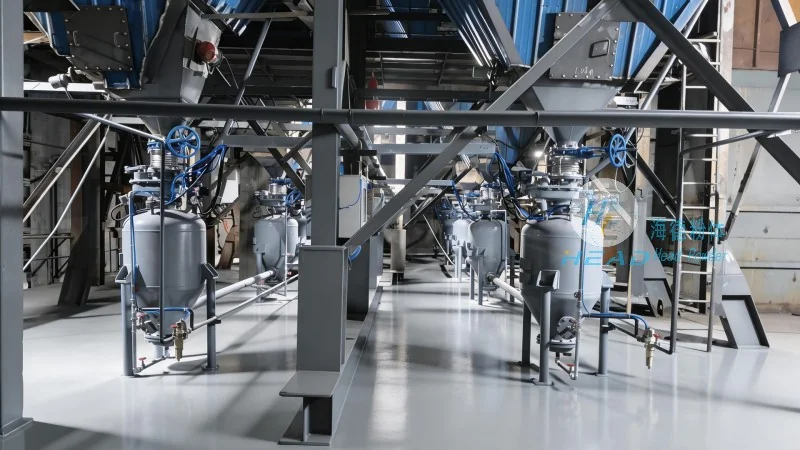
Material Properties and Flow Characteristics
Fluorspar, also known as fluorite, is a mineral composed primarily of calcium fluoride (CaF₂). Its physical properties, such as particle size distribution, density, and moisture content, significantly influence the design of a pneumatic conveying system. For instance, the particle size and shape affect the flowability and resistance to air, while moisture content can impact the material's stickiness and potential for caking. Understanding these properties is essential for selecting the appropriate conveying method—whether it's dilute phase, dense phase, or a hybrid system. The company, Shandong HeadPowder Engineering Co., Ltd., specializes in engineering solutions tailored to the unique characteristics of fluorspar powder, ensuring that the system is optimized for the specific material being handled.
System Sizing and Airflow Management
The sizing of the pneumatic conveying system, including the air compressor, ductwork, and receiver, is directly linked to the required airflow and pressure. The airflow rate must be sufficient to maintain the material in suspension and overcome the frictional losses in the system. In dilute phase conveying, the air velocity is typically high (often 20-30 m/s), while dense phase systems operate at lower velocities (5-15 m/s) to reduce particle impact and wear. The choice between these methods depends on the material's sensitivity to abrasion and the distance it needs to be conveyed. Proper sizing ensures that the system operates within its optimal range, preventing excessive energy consumption or material degradation. The engineering team at Shandong HeadPowder Engineering Co., Ltd. employs advanced computational fluid dynamics (CFD) and empirical formulas to accurately size the system components, ensuring efficient airflow management and minimal operational costs.
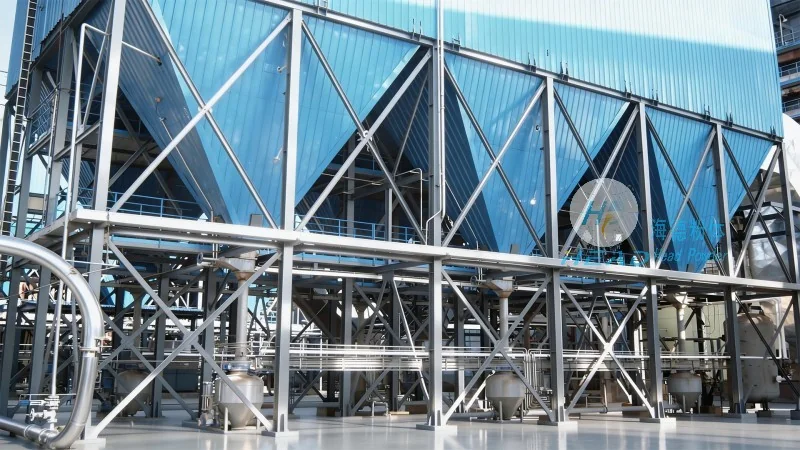
Equipment Selection and Component Integration
Key components in a fluorspar powder pneumatic conveying system include the air compressor, feeders, ductwork, and receivers. The air compressor must provide the necessary pressure and volume to transport the material, with considerations for the system's total pressure drop. Feeders, such as rotary valves or screw feeders, are critical for controlling the material flow rate and preventing blockages. Ductwork design, including the use of smooth or lined pipes, affects the pressure drop and wear resistance. Receivers are used to collect the conveyed material and may include dust collection systems to comply with environmental regulations. The integration of these components is crucial for the system's overall performance. The company, Shandong HeadPowder Engineering Co., Ltd., offers customized equipment solutions, ensuring that each component is selected to match the specific requirements of the fluorspar powder application. This includes using high-quality materials for ductwork, such as stainless steel or lined carbon steel, to resist corrosion and abrasion from the fluorspar particles.
Control Systems and Automation
Modern pneumatic conveying systems often incorporate advanced control systems to enhance operational efficiency and safety. These systems may include pressure sensors, flow meters, and programmable logic controllers (PLCs) to monitor and regulate the system's performance. Automation allows for real-time adjustments to airflow and material feed rates, optimizing the system's operation based on changing conditions. For example, if the material flow rate increases, the system can automatically adjust the air compressor speed to maintain the desired pressure. This not only improves efficiency but also reduces the risk of system overloads or material blockages. The company, Shandong HeadPowder Engineering Co., Ltd., provides comprehensive control system solutions, integrating them with the pneumatic conveying equipment to create a fully automated process. This approach ensures consistent performance and reduces the need for manual intervention, leading to higher productivity and lower maintenance costs.
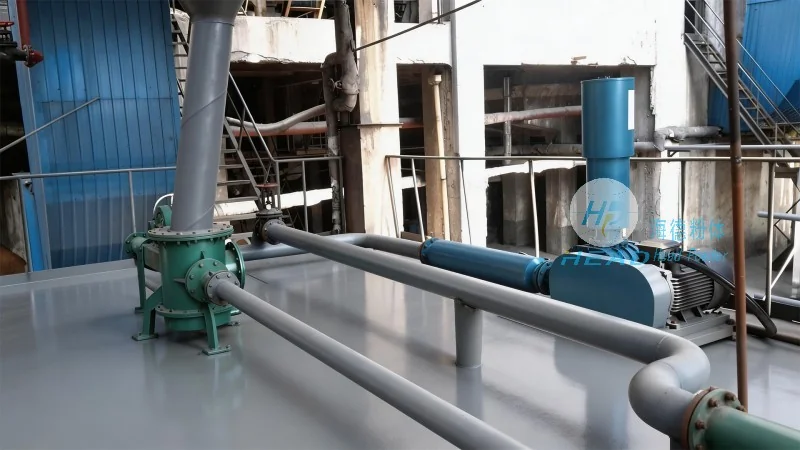
Environmental and Safety Considerations
Handling fluorspar powder involves considerations related to dust control and environmental compliance. Pneumatic conveying systems can generate significant dust, which must be captured and filtered to prevent air pollution and protect personnel. The design of the system should include dust collection equipment, such as cyclones or baghouses, to capture the fine particles. Additionally, the system must comply with local regulations regarding emissions and noise levels. Safety considerations include the prevention of explosions in the system, especially if the material is prone to dust explosions. Proper grounding and explosion-proof components are essential to mitigate these risks. The company, Shandong HeadPowder Engineering Co., Ltd., adheres to strict environmental and safety standards, ensuring that its pneumatic conveying systems meet or exceed regulatory requirements. This includes implementing dust control measures and using explosion-proof equipment where necessary, providing a safe and environmentally responsible solution for fluorspar powder handling.
Maintenance and Operational Guidelines
Regular maintenance is crucial for the long-term performance and reliability of a fluorspar powder pneumatic conveying system. This includes inspecting and cleaning components, such as ductwork and receivers, to prevent clogging and wear. The air compressor and feeders should be checked regularly for wear and tear, with replacement of parts as needed. Operational guidelines, such as proper start-up and shutdown procedures, are essential to prevent damage to the system. The company, Shandong HeadPowder Engineering Co., Ltd., provides detailed maintenance schedules and operational guidelines to ensure that the system operates efficiently over its lifespan. This includes training for operators on proper system operation and maintenance, reducing the risk of downtime and increasing the system's overall lifespan. By following these guidelines, users can maximize the performance and reliability of their fluorspar powder pneumatic conveying system, ensuring consistent material handling and minimal operational costs.