

Design Considerations for Aluminum Foil Pneumatic Conveying Systems
When designing a pneumatic conveying system for aluminum foil, several critical factors must be considered to ensure efficiency, reliability, and longevity of the system. The process involves selecting appropriate equipment, material handling strategies, and control mechanisms tailored to the unique properties of aluminum foil.
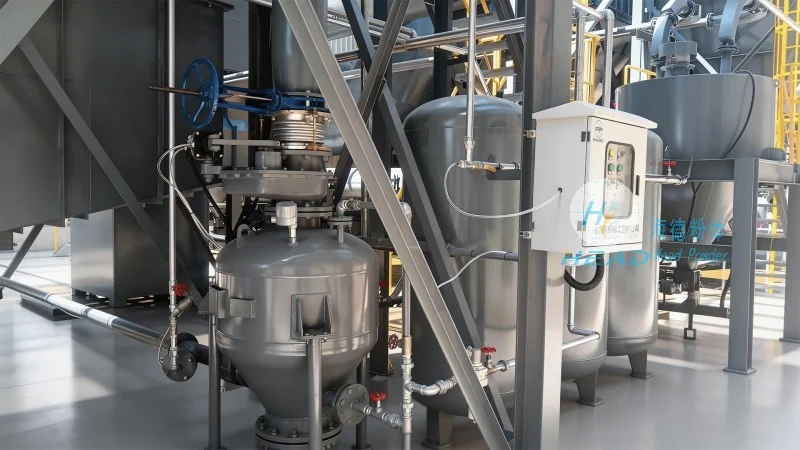
Key Design Considerations for Aluminum Foil Pneumatic Conveying
One of the primary considerations is the selection of the conveying method. For aluminum foil, which is lightweight and can be easily damaged, a low-pressure, dense-phase conveying system is often preferred. This approach minimizes particle velocity and reduces the risk of mechanical abrasion or tearing of the foil. The system typically uses a positive displacement blower or a rotary lobe pump to generate the necessary pressure, ensuring a gentle yet effective transfer of material.
Material Selection and Equipment Compatibility
Another critical aspect is the compatibility of system components with aluminum foil. The material is highly corrosion-resistant but can be sensitive to abrasion and impact. Therefore, all internal surfaces of the conveying lines, hoppers, and cyclones must be lined with materials such as stainless steel, polyethylene, or specialized coatings that prevent scratching. Additionally, the use of flexible hoses or expandable sections can help accommodate the flexibility of aluminum foil while maintaining a tight seal to prevent air leakage.
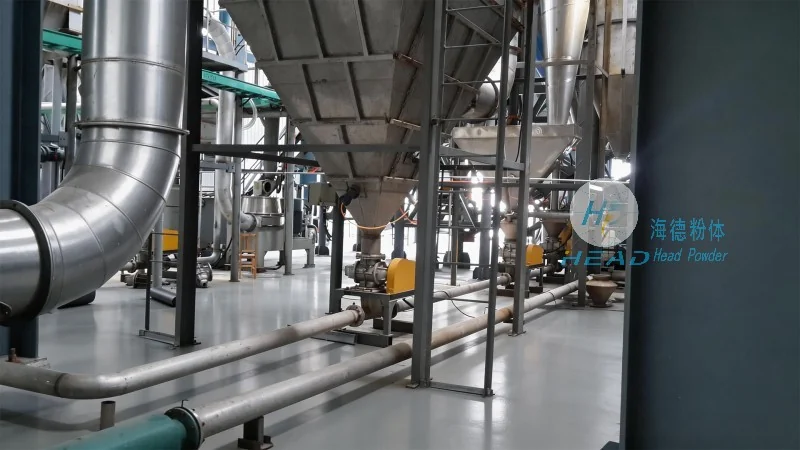
Pressure and Flow Control Mechanisms
Effective pressure and flow control are essential to maintain consistent performance and prevent system overloading. The system should include pressure sensors and flow meters to monitor real-time conditions. Variable frequency drives (VFDs) can be integrated with the blower to adjust air volume dynamically, responding to changes in material feed rate. This ensures that the system operates within optimal pressure ranges, avoiding excessive energy consumption or material degradation.
Sealing and Containment Solutions
Aluminum foil is often used in applications where dust control and environmental compliance are critical. The design must incorporate robust sealing mechanisms at all joints, hoppers, and discharge points to prevent dust emissions and maintain a clean working environment. Specialized sealing gaskets and air curtains can be employed to minimize leakage and protect the surrounding area from particulate matter. Additionally, the system should include dust collection and filtration systems to capture any airborne particles, ensuring compliance with environmental regulations.
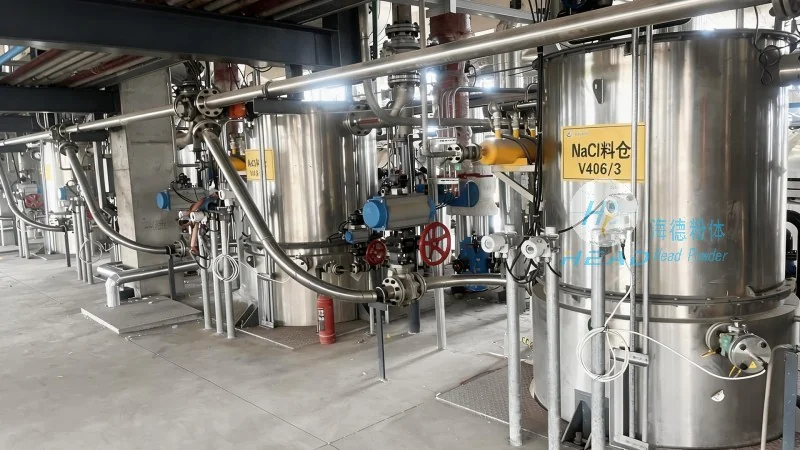
System Integration and Maintenance Planning
Proper integration of the pneumatic conveying system with existing production lines is crucial for seamless operation. The design should consider the layout of the facility, ensuring that the conveying lines are routed efficiently to minimize material handling distances and energy usage. Regular maintenance planning is also essential to prevent system downtime. This includes scheduling inspections of wear parts, such as filter elements and pump components, and implementing preventive maintenance protocols to extend the system's lifespan.
Case Study: Application in Aluminum Foil Manufacturing
Shandong HeadPowder Engineering Co., Ltd., a leading provider of material handling solutions, has successfully implemented aluminum foil pneumatic conveying systems for several clients in the aluminum industry. By incorporating the design considerations outlined above, these systems have achieved high transfer efficiency, reduced material loss, and improved overall operational reliability. The company's expertise in customizing systems to meet specific client needs has resulted in increased productivity and cost savings for its customers.