

Slag Transport: Choosing Positive Pressure or Negative Pressure? How to Distinguish?
When it comes to transporting slag, selecting the right method is crucial for efficiency and safety. Two primary approaches are positive pressure transport and negative pressure transport. Understanding the differences between these methods is essential for making an informed decision. This article will explore the key aspects of each, helping you determine which is best suited for your slag transport needs.
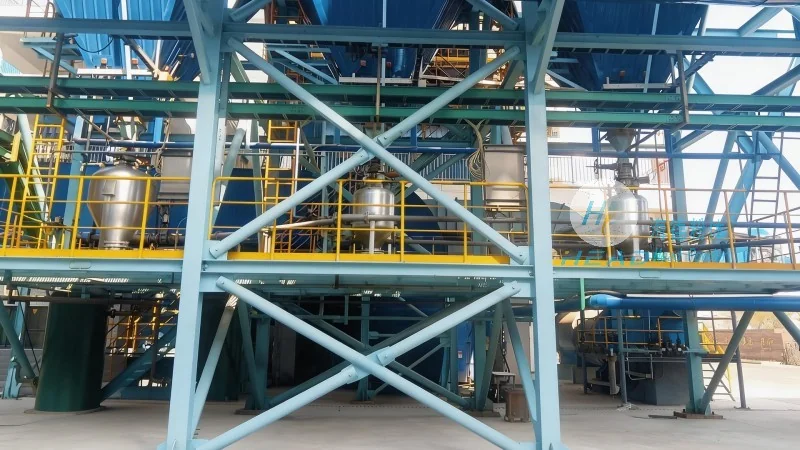
Introduction to Slag Transport Methods
Slag is a byproduct of industrial processes, such as steelmaking and metal smelting. It is often transported from the point of generation to storage or disposal sites. The choice of transport method depends on several factors, including the nature of the slag, the distance to be covered, and the available infrastructure. Positive pressure and negative pressure systems are two common solutions in the industry, each with its own advantages and limitations.
Positive Pressure Transport for Slag
Positive pressure transport involves using a fan or blower to force air or gas through a pipeline, carrying the slag particles along. This method is often used for short to medium distances and when the slag is in a dry or semi-dry state. The primary advantage of positive pressure systems is their ability to handle abrasive materials without excessive wear on the equipment. They are also relatively simple to install and maintain. However, they may require more energy and can be less efficient for long-distance transport due to the pressure drop over the pipeline.
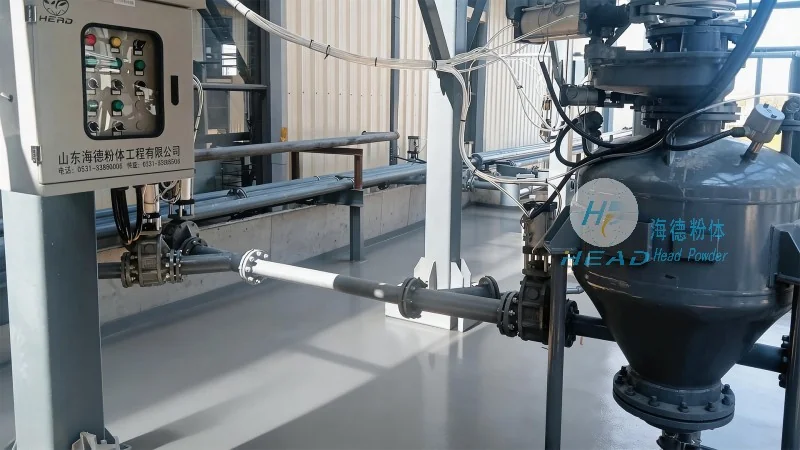
Negative Pressure Transport for Slag
Negative pressure transport, also known as suction or vacuum transport, uses a vacuum pump to create a low-pressure environment that draws the slag particles into the pipeline. This method is particularly suitable for long-distance transport and when the slag is in a wet or dusty form. Negative pressure systems are generally more energy-efficient for long distances as they do not require the continuous force of a blower. They also reduce the risk of dust emissions compared to positive pressure systems. However, they may be more complex to set up and can be susceptible to clogging if the slag contains large particles or debris.
Distinguishing Between Positive and Negative Pressure Systems
There are several key factors to consider when differentiating between positive and negative pressure transport for slag:

- Pressure Direction: Positive pressure systems push air through the pipeline, while negative pressure systems pull air and slag into the system.
- Energy Consumption: Positive pressure systems typically consume more energy due to the continuous pressure generation, whereas negative pressure systems are more energy-efficient for long distances.
- Material Handling: Positive pressure is better for dry, abrasive materials, while negative pressure is ideal for wet or dusty materials.
- Distance and Efficiency: Negative pressure is generally more efficient for long distances, while positive pressure is more suitable for shorter distances.
Factors to Consider When Choosing a System
When deciding between positive and negative pressure for slag transport, several practical factors should be evaluated:
First, consider the distance between the slag source and the destination. For short distances, a positive pressure system may be sufficient and cost-effective. For longer distances, a negative pressure system often provides better efficiency and lower operational costs. Second, assess the physical properties of the slag. If the slag is dry and abrasive, a positive pressure system with robust components can handle the wear and tear. If the slag is wet or contains fine particles, a negative pressure system with appropriate filtration may be necessary to prevent clogging and maintain flow.
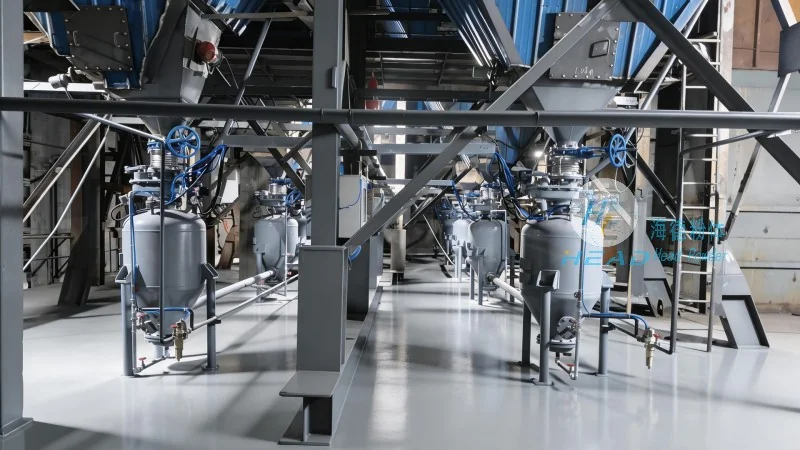
Third, evaluate the available infrastructure and space. Positive pressure systems require a clear path for the air flow, while negative pressure systems may need additional equipment for vacuum generation. Fourth, consider the environmental regulations and dust control requirements. Negative pressure systems are generally better at containing dust emissions, which may be a critical factor in urban or environmentally sensitive areas.
Conclusion
Choosing between positive pressure and negative pressure for slag transport requires a careful analysis of the specific conditions and requirements of your operation. Positive pressure systems offer simplicity and effectiveness for short-distance, dry slag transport, while negative pressure systems excel in long-distance, wet or dusty applications with better energy efficiency and dust control. By understanding the characteristics of each method and considering the relevant factors, you can select the most appropriate system to ensure efficient and safe slag transport.