

Choosing Between Positive Pressure and Negative Pressure for PUR Material Handling: How to Distingui
When it comes to handling polyurethane (PUR) materials in industrial applications, selecting the right material handling system is crucial for efficiency, safety, and operational reliability. Two primary methods are commonly used: positive pressure and negative pressure systems. Understanding the differences between these two approaches is essential for making an informed decision that aligns with your specific production requirements. This article aims to provide a comprehensive guide to help you differentiate between positive pressure and negative pressure for PUR material handling, ensuring you choose the most suitable solution for your operations.

Understanding the Basics of PUR Material Handling Systems
Polyurethane (PUR) is a versatile polymer widely used in various industries, including automotive, construction, and manufacturing, due to its excellent properties such as durability, flexibility, and resistance to abrasion and chemicals. The efficient and safe transportation of PUR materials from storage to processing equipment is a critical step in the production process. Material handling systems designed for PUR materials must consider factors like material density, flow characteristics, and the need for contamination control. Two primary methods for transporting PUR materials are positive pressure and negative pressure systems, each with distinct mechanisms and applications.
Differentiating Positive Pressure and Negative Pressure for PUR Material Handling
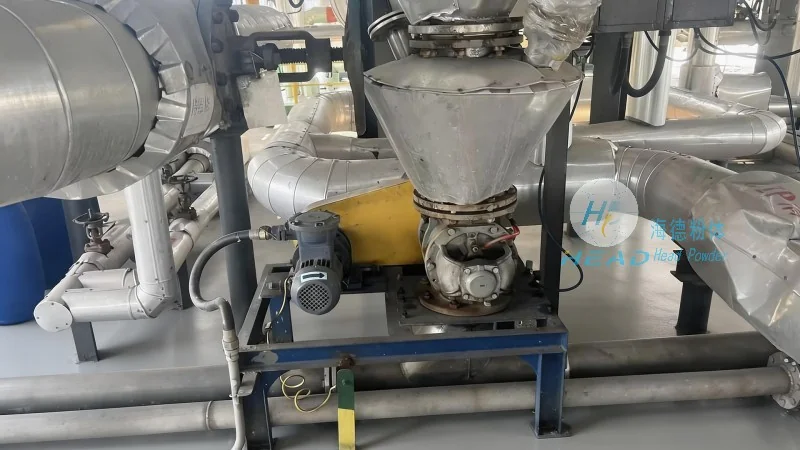
Positive pressure systems operate by forcing air or gas into the material container or hopper, creating an internal pressure that pushes the material forward. This method is often used for materials that are free-flowing or have a relatively low density. The positive pressure ensures that the material is continuously moved through the system, reducing the risk of clogging and maintaining a consistent flow rate. In contrast, negative pressure systems work by creating a vacuum or suction within the material container, drawing the material into the handling equipment. This approach is typically used for materials that are more cohesive or have a higher density, as the suction helps to break up any agglomerates and ensure smooth material transfer.
Key Factors to Consider When Choosing Between Positive and Negative Pressure for PUR Material Handling
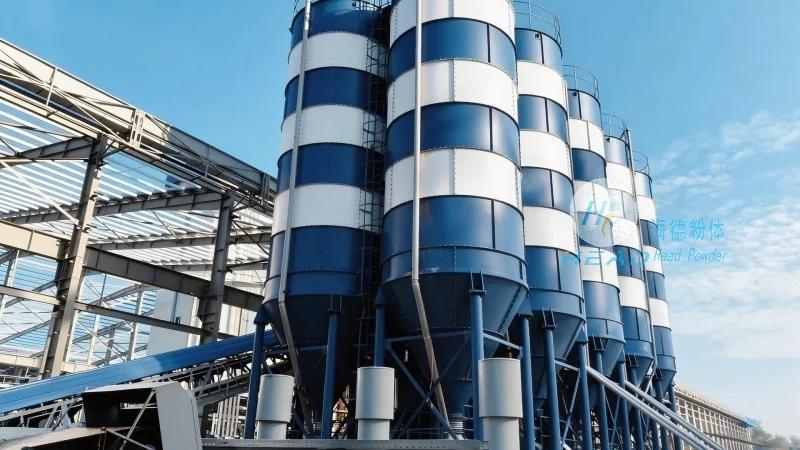
Several factors should be evaluated when deciding between positive and negative pressure systems for PUR material handling. The first consideration is the material's physical properties, including its density, flowability, and tendency to agglomerate. Free-flowing materials with low density are often better suited for positive pressure systems, as the pressure helps maintain a steady flow without excessive force. Conversely, cohesive or high-density materials may require negative pressure systems, as the suction helps to break up clumps and ensure uniform material transfer. Another critical factor is the system's capacity and throughput requirements. Positive pressure systems are generally more suitable for high-volume applications, as they can handle larger quantities of material with consistent pressure. Negative pressure systems, while effective for smaller batches or more delicate materials, may have lower throughput capabilities. Additionally, the need for contamination control and material purity should be considered. Positive pressure systems can be more prone to dust and particle contamination if not properly sealed, whereas negative pressure systems can help maintain a cleaner environment by drawing material into the system and preventing external particles from entering. Finally, the overall cost and maintenance requirements of each system should be evaluated. Positive pressure systems may require more robust components to withstand higher pressures, while negative pressure systems may need regular maintenance to ensure the vacuum pump operates efficiently.
Application Examples of Positive and Negative Pressure Systems in PUR Material Handling
Positive pressure systems are commonly used in applications such as the handling of PUR granules or pellets for injection molding or extrusion. The positive pressure ensures that the material is continuously fed into the processing equipment, maintaining a consistent flow rate and reducing downtime. For example, in automotive manufacturing, positive pressure systems are used to transport PUR foams for seat cushion production, where the material needs to be delivered at a high rate to meet production demands. Negative pressure systems, on the other hand, are often used in applications involving PUR powders or fine particles, such as in the production of PUR coatings or adhesives. The suction mechanism helps to draw the fine particles into the system, preventing clogging and ensuring a smooth transfer process. In the construction industry, negative pressure systems are used to handle PUR insulation materials, where the material needs to be delivered to spray equipment with precision and minimal waste. These examples illustrate how the choice between positive and negative pressure systems depends on the specific application and material characteristics.
Conclusion: Making the Right Choice for Your PUR Material Handling Needs
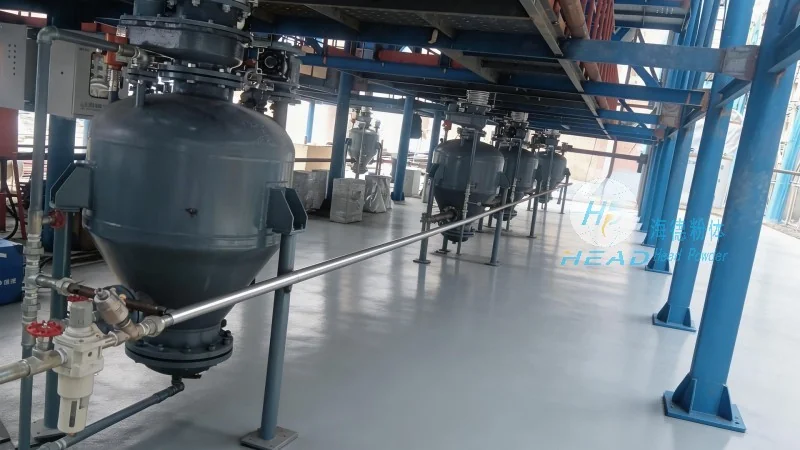
Choosing between positive pressure and negative pressure for PUR material handling requires a thorough understanding of the material's properties and the operational requirements of your production process. By evaluating factors such as material flowability, density, throughput needs, and contamination control, you can select the most suitable system to ensure efficient and reliable material handling. Positive pressure systems offer advantages in high-volume applications with free-flowing materials, while negative pressure systems are better suited for cohesive or high-density materials that require precise control. Ultimately, the goal is to choose a system that minimizes downtime, reduces material waste, and maintains product quality. For businesses operating in the PUR industry, partnering with a reputable supplier like Shandong HeadPowder Engineering Co., Ltd. can provide access to specialized expertise and tailored solutions that address your specific material handling challenges. With the right system in place, you can enhance operational efficiency, improve safety, and achieve better overall performance in your PUR material handling processes.