

Silica Powder Pneumatic Conveying: Choosing Positive Pressure or Negative Pressure? How to Distingui
When it comes to the pneumatic conveying of silica powder, selecting the appropriate system is crucial for ensuring efficient material handling and maintaining product quality. The choice between positive pressure and negative pressure systems depends on several factors, including the properties of the material, the distance of transport, and the overall process requirements. Understanding the distinctions between these two methods is essential for making an informed decision.
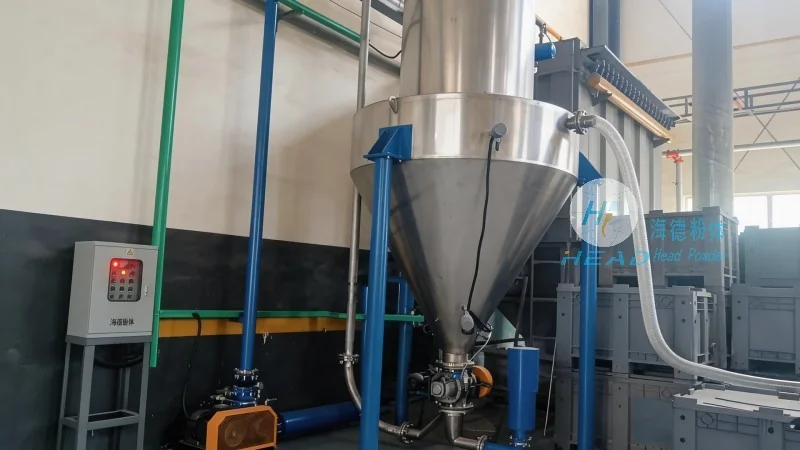
Introduction to Pneumatic Conveying Systems
Pneumatic conveying is a method of transporting bulk materials through a pipeline using air or gas as the conveying medium. It is widely used in industries such as pharmaceuticals, food processing, and chemical manufacturing due to its ability to handle fine powders like silica powder without contamination. The two primary types of pneumatic conveying systems are positive pressure and negative pressure systems, each with its own advantages and limitations.
Characteristics of Silica Powder
Silica powder, also known as silicon dioxide (SiO₂), is a common fine powder used in various applications, including construction, electronics, and cosmetics. Its properties, such as particle size, moisture content, and flowability, significantly impact the choice of pneumatic conveying system. Silica powder is typically dry and free-flowing, but it can be prone to caking or bridging under certain conditions, which may affect the efficiency of the conveying process.
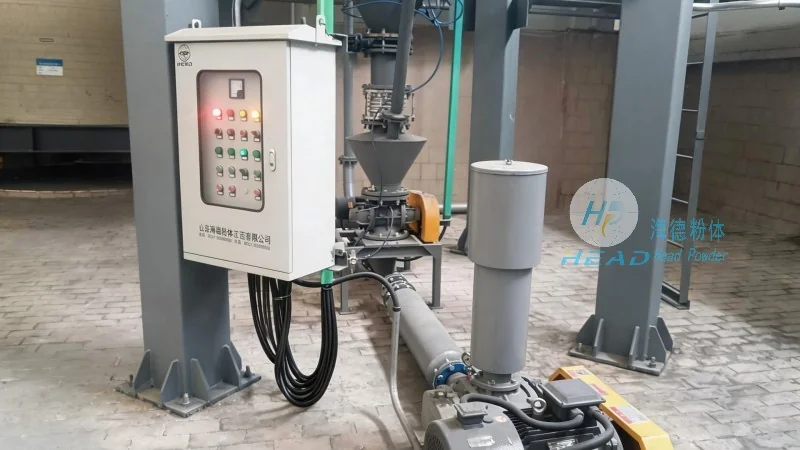
Positive Pressure Pneumatic Conveying
Positive pressure systems operate by blowing air or gas into the conveying line, creating a pressure higher than the ambient air pressure. This method is often preferred for transporting silica powder over longer distances or when the material needs to be delivered to multiple destinations. The high pressure ensures that the powder is fully suspended and transported efficiently. In positive pressure systems, the material is typically fed into the pipeline at the inlet, and the air flow carries the powder through the line to the discharge point.
Negative Pressure Pneumatic Conveying
Negative pressure systems, also known as suction or vacuum systems, create a lower pressure inside the conveying line compared to the ambient air. This system draws the material into the pipeline using a vacuum pump. Negative pressure is generally more suitable for short-distance conveying or when the material needs to be collected from a source and transported to a single destination. The low pressure may be less effective for handling fine powders that are prone to clogging or bridging, as the reduced air flow can lead to material accumulation in the line.
Distinguishing Between Positive and Negative Pressure Systems
The key differences between positive and negative pressure pneumatic conveying systems can be summarized as follows:
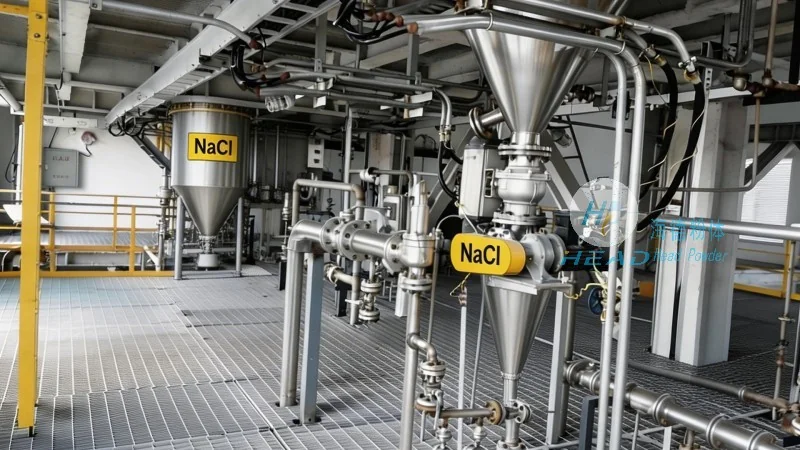
- Pressure Differentiation: Positive pressure systems use higher air pressure to push the material, while negative pressure systems use lower pressure to pull the material.
- Material Handling: Positive pressure is better for abrasive or fine powders like silica, as it maintains consistent flow and prevents material buildup. Negative pressure may be more suitable for non-abrasive materials or when the material is less prone to clogging.
- Distance and Complexity: Positive pressure systems are often used for longer distances or multiple points of discharge, while negative pressure is preferred for shorter distances or single-point collection.
- Energy Consumption: Positive pressure systems typically consume more energy due to the higher air pressure required, whereas negative pressure systems may be more energy-efficient for short distances.
Factors to Consider When Choosing a System
When deciding between positive and negative pressure pneumatic conveying for silica powder, several factors should be taken into account:
- Material Properties: The particle size, moisture content, and flowability of silica powder will influence the system's performance. For example, if the powder is fine and has high moisture content, a positive pressure system may be more effective in preventing clogging.
- Transport Distance: The distance between the source and the destination is a critical factor. Longer distances often require positive pressure systems due to their ability to maintain material flow over extended pipelines.
- Number of Discharge Points: If the material needs to be delivered to multiple locations, a positive pressure system with multiple outlets may be more suitable. Conversely, a single-point collection may be better suited for a negative pressure system.
- Environmental and Safety Requirements: The system must comply with local regulations regarding dust control and air emissions. Positive pressure systems may require additional filtration to meet environmental standards.
Conclusion
Choosing the right pneumatic conveying system for silica powder is essential for optimizing material handling efficiency and maintaining product quality. By understanding the characteristics of both positive and negative pressure systems and considering factors such as material properties, transport distance, and operational requirements, industries can select the most appropriate system for their specific needs. Companies like Shandong HeadPowder Engineering Co., Ltd., with expertise in pneumatic conveying solutions, can provide tailored systems that address the unique challenges of handling silica powder.