

Choosing Between Positive Pressure and Negative Pressure for Asphalt Powder Pneumatic Conveying: How
When it comes to transporting asphalt powder, the choice between positive pressure and negative pressure pneumatic conveying systems is a critical decision for industrial operations. Both methods offer unique advantages and are suitable for different applications, making it essential to understand the distinctions between them. This article aims to provide a comprehensive overview of the key differences, helping professionals in the construction and material handling sectors make informed choices for their asphalt powder conveying needs.
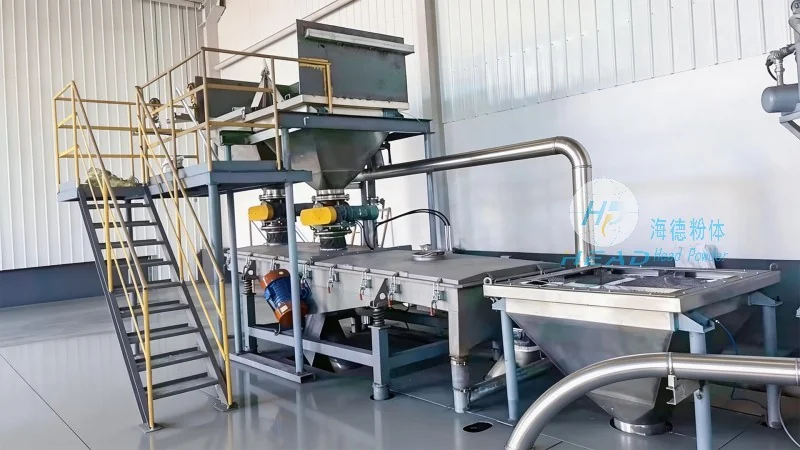
About Shandong HeadPowder Engineering Co., Ltd.
HeadPowder, a leading manufacturer in the field of pneumatic conveying systems, specializes in providing tailored solutions for asphalt powder transportation. With a strong commitment to quality and innovation, the company has established itself as a trusted partner for businesses seeking reliable and efficient conveying solutions. HeadPowder's expertise lies in designing and manufacturing systems that meet the specific requirements of asphalt powder handling, ensuring optimal performance and durability in demanding industrial environments.

Positive Pressure Pneumatic Conveying for Asphalt Powder
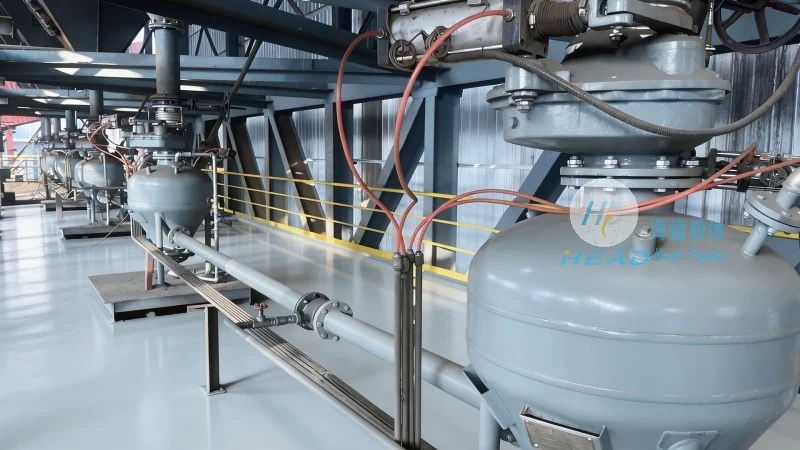
Positive pressure systems operate by blowing air or gas into the conveying line, creating a pressure higher than the ambient air pressure. This method is particularly effective for transporting abrasive materials like asphalt powder over long distances or through complex piping networks. The high-pressure air forces the material to move through the system, ensuring consistent and reliable flow. One of the key advantages of positive pressure is its ability to handle high volumes of material with minimal pressure drop, making it suitable for large-scale production facilities. Additionally, positive pressure systems are generally more resistant to blockages and can handle materials with higher moisture content, which is often the case with asphalt powder.
Negative Pressure Pneumatic Conveying for Asphalt Powder
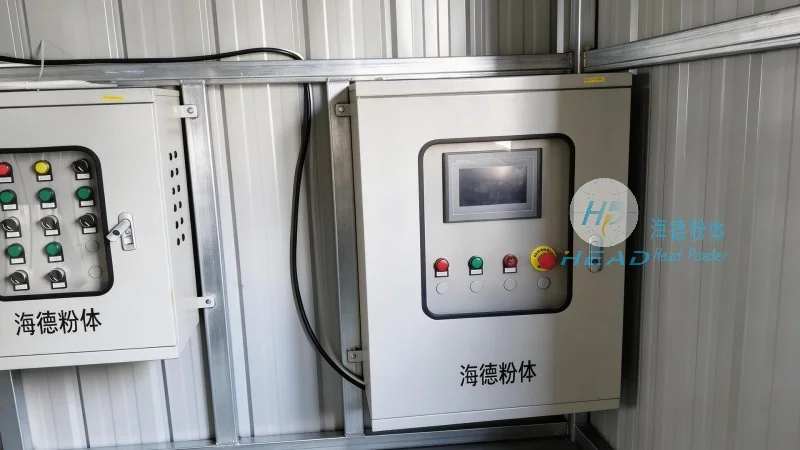
Negative pressure systems, on the other hand, work by creating a vacuum in the conveying line, drawing the material and air mixture into the system. This approach is ideal for applications where the material needs to be transported from a central source to multiple destinations or over shorter distances. The vacuum created pulls the material through the system, making it suitable for handling fine powders that might be susceptible to dust dispersion. Negative pressure systems are often more energy-efficient for shorter conveying distances and can be more cost-effective for smaller-scale operations. However, they may require more maintenance to prevent dust leakage and are generally less effective for long-distance or high-volume applications compared to positive pressure systems.
Distinguishing Between Positive and Negative Pressure Systems
Differentiating between positive and negative pressure pneumatic conveying systems involves considering several key factors, including the distance of material transport, the volume of material to be handled, and the nature of the material itself. For long-distance or high-volume asphalt powder transport, positive pressure systems are typically preferred due to their superior performance in handling abrasive and high-moisture materials. Conversely, for shorter distances or applications requiring multiple discharge points, negative pressure systems may offer a more economical solution. The choice also depends on the available space and infrastructure, as positive pressure systems may require more robust piping and pressure control equipment, while negative pressure systems may need additional filtration and dust collection measures to prevent environmental contamination.
HeadPowder's Expertise in Asphalt Powder Conveying Solutions
HeadPowder Engineering Co., Ltd., based in Shandong, China, leverages its extensive experience to design and supply customized pneumatic conveying systems tailored to the unique needs of asphalt powder handling. The company's engineers work closely with clients to assess their specific requirements, including the type of asphalt powder, conveying distance, and operational conditions, to develop optimal solutions. Whether a client requires a positive pressure system for large-scale production or a negative pressure system for smaller, localized applications, HeadPowder provides comprehensive support from system design and installation to maintenance and after-sales service. By choosing HeadPowder, businesses can ensure efficient, reliable, and cost-effective asphalt powder transportation, enhancing overall operational productivity and reducing downtime.