

Choosing Positive Pressure or Negative Pressure for Graphite Powder Pneumatic Conveying? How to Dist
When it comes to transporting graphite powder via pneumatic conveying systems, the choice between positive pressure and negative pressure methods is a critical decision. The selection impacts operational efficiency, safety, and overall system cost. Understanding the distinctions between these two approaches is essential for optimizing the handling of graphite powder, a material known for its unique properties such as high conductivity and thermal stability.
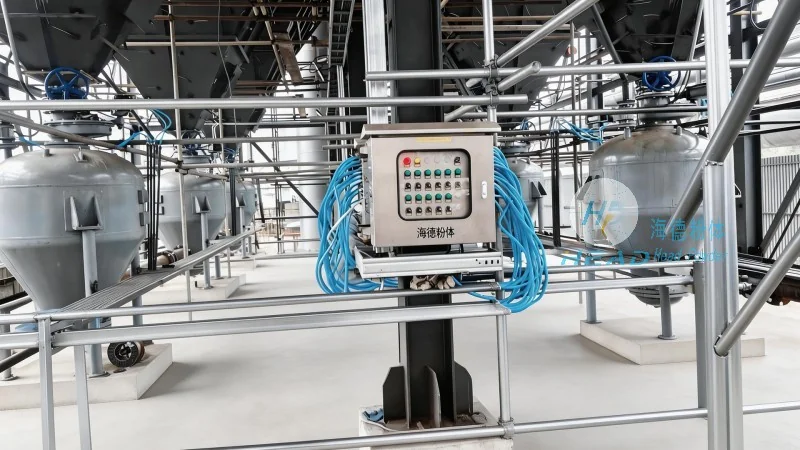
Understanding Pneumatic Conveying Systems for Graphite Powder
Pneumatic conveying is a method of transporting bulk materials like graphite powder through a pipeline using air or gas as the conveying medium. This technology is widely used in industries where traditional mechanical conveying may be impractical due to the material's characteristics. The two primary types of pneumatic conveying systems are positive pressure and negative pressure, each with distinct operational principles and applications.
Positive Pressure Pneumatic Conveying
Positive pressure systems operate by blowing air or gas into the material to be conveyed, forcing it through the pipeline. In the context of graphite powder, this method involves a blower or compressor that generates pressure within the system, pushing the powder from the source to the destination. The advantages of positive pressure conveyors include the ability to transport materials over long distances, maintain consistent flow rates, and handle abrasive or sensitive materials without damage. For graphite powder, which can be prone to dust generation and requires careful handling to prevent contamination, positive pressure systems offer controlled and reliable transport.
Negative Pressure Pneumatic Conveying
Negative pressure systems, conversely, rely on suction to draw the material into the pipeline. A vacuum is created at the receiving end, and the material is pulled through the system. This approach is often simpler and less expensive to install compared to positive pressure systems, making it suitable for shorter conveying distances. However, negative pressure conveyors may be less effective for transporting fine powders like graphite powder over long distances due to potential issues with particle segregation and system efficiency. They are generally more suited for applications where the material is to be collected from a hopper or a relatively close source.
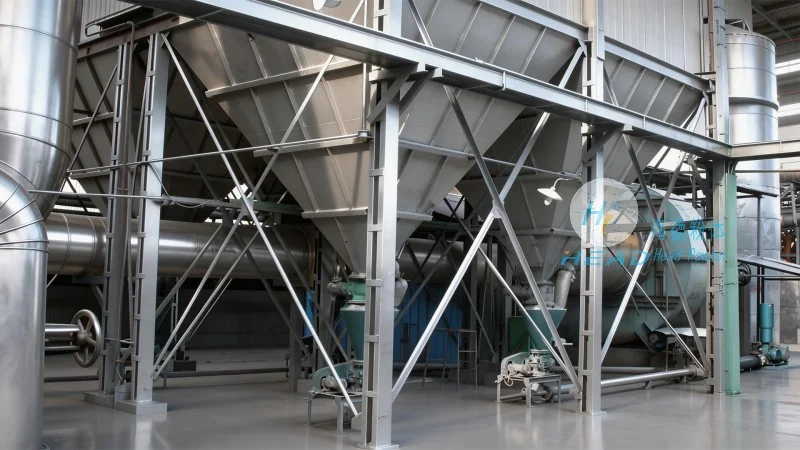
Distinguishing Between Positive and Negative Pressure Systems
The key factors for distinguishing between positive and negative pressure pneumatic conveying systems include the required conveying distance, the nature of the material (e.g., particle size, moisture content, and flowability), and the overall system complexity and cost. For graphite powder, which often requires precise control to avoid oxidation or contamination, the choice of system can significantly impact product quality and safety. Positive pressure systems are typically preferred for long-distance or high-volume applications, while negative pressure systems may be more appropriate for short-distance or low-volume handling.
Factors Influencing the Choice of Conveying Method
Several practical considerations influence the selection of a pneumatic conveying system for graphite powder. These include the distance between the source and destination, the volume of material to be transported, the need for dust control and environmental compliance, and the available space for equipment installation. For instance, if the graphite powder needs to be transported from a production facility to a processing plant located several kilometers away, a positive pressure system might be more suitable due to its ability to maintain pressure and flow over longer distances. Conversely, if the material is to be moved from a hopper to a nearby mixer within a few meters, a negative pressure system could suffice.
Role of Material Properties in System Selection
Graphite powder's properties, such as its fine particle size and tendency to form aggregates, play a crucial role in determining the most effective conveying method. Positive pressure systems can better handle cohesive materials by maintaining consistent air flow and preventing particle buildup in the pipeline. Negative pressure systems, while simpler, may struggle with fine powders that are prone to clogging or segregation, potentially leading to reduced system efficiency and increased maintenance costs. Therefore, understanding the specific characteristics of the graphite powder being handled is essential for selecting the optimal pneumatic conveying system.
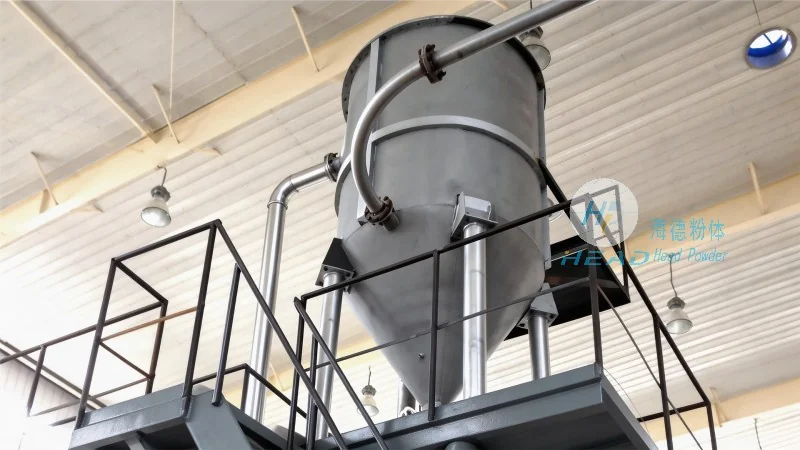
System Design and Equipment Considerations
The design of the pneumatic conveying system, including the type of blower or vacuum pump, the size of the pipeline, and the presence of filters and cyclones, also impacts the choice between positive and negative pressure. Positive pressure systems often require more robust equipment to handle higher pressures and maintain flow, while negative pressure systems may use less powerful suction devices. The cost of installation and maintenance is another critical factor. Positive pressure systems may have higher upfront costs due to the need for compressors and higher-grade materials for components exposed to high pressure, whereas negative pressure systems are generally more economical but may require more frequent cleaning and maintenance to prevent clogging.
Conclusion and Practical Recommendations
Choosing between positive pressure and negative pressure pneumatic conveying for graphite powder requires a careful evaluation of operational needs, material characteristics, and budget constraints. Positive pressure systems are generally recommended for long-distance, high-volume applications where reliability and consistent performance are paramount. Negative pressure systems are more suitable for short-distance, low-volume handling where simplicity and cost-effectiveness are key. Ultimately, the best choice depends on the specific requirements of the graphite powder handling process and the overall goals of the operation.
Shandong HeadPowder Engineering Co., Ltd., a leading provider of engineering solutions for powder handling, specializes in designing and implementing customized pneumatic conveying systems tailored to the unique needs of graphite powder applications. With a focus on safety, efficiency, and quality, the company offers expert guidance and advanced technology to help clients optimize their material transport processes. Based in Shandong, China, HeadPowder Engineering leverages years of industry experience to deliver reliable solutions that meet the highest standards of performance and compliance.