

Choosing Positive Pressure or Negative Pressure for Graphene Pneumatic Conveying? How to Distinguish
When it comes to handling graphene materials through pneumatic conveying systems, the choice between positive pressure and negative pressure methods is a critical decision that impacts efficiency, cost, and operational safety. For businesses dealing with graphene, understanding the nuances of each system is essential to select the most suitable approach for their specific needs. This article, brought to you by Shandong HeadPowder Engineering Co., Ltd. (commonly known as HeadPowder), explores the key differences between positive and negative pressure pneumatic conveying systems and provides guidance on how to choose the right method for graphene applications.
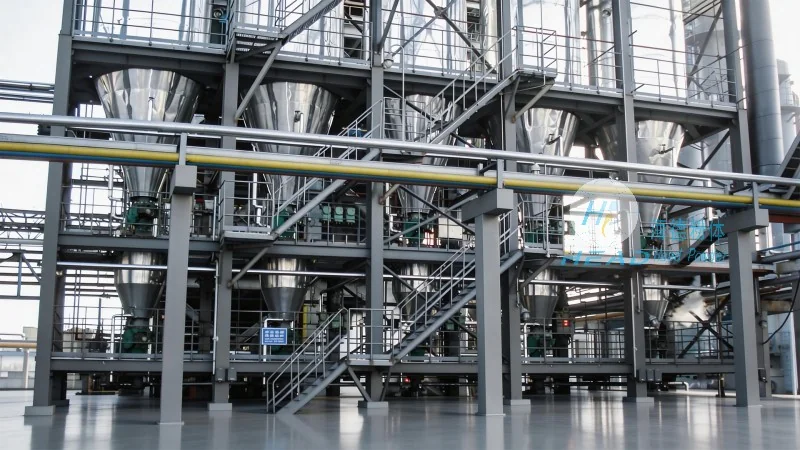
Understanding Pneumatic Conveying Systems for Graphene
Pneumatic conveying is a method of transporting bulk materials like graphene through a pipeline using air or gas as the conveying medium. This technology offers a dust-free, enclosed system that minimizes contamination and improves material handling safety. The two primary types of pneumatic conveying systems are positive pressure and negative pressure, each with distinct characteristics and applications.
Positive Pressure Pneumatic Conveying
Positive pressure systems operate by blowing air or gas into the conveying line, creating a pressure higher than the ambient air pressure. This method is particularly effective for transporting materials over longer distances or through complex networked pipelines. For graphene, which is often sensitive to air exposure and requires precise control over particle size and distribution, positive pressure systems can provide consistent flow rates and minimize material degradation. The high-pressure environment also helps in maintaining the integrity of the graphene sheets, preventing agglomeration and ensuring uniform material transport.
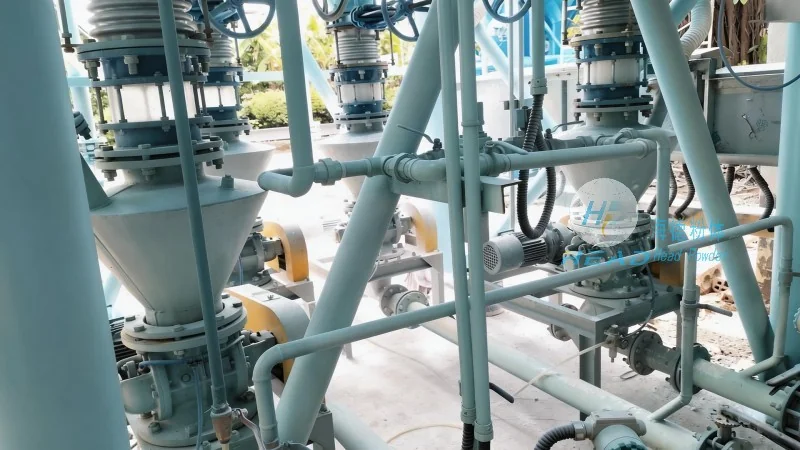
Negative Pressure Pneumatic Conveying
Negative pressure systems, on the other hand, work by creating a vacuum in the conveying line, drawing material into the system from the source. This approach is ideal for applications where the material source is located at a higher elevation or where the system needs to handle materials that are prone to dust generation. Negative pressure systems are often more suitable for shorter conveying distances and can be more cost-effective for smaller-scale operations. However, they may require more robust filtration and air handling equipment to prevent dust contamination and ensure compliance with environmental regulations.
Distinguishing Between Positive and Negative Pressure Systems
Differentiating between positive and negative pressure pneumatic conveying systems involves considering several key factors. The first is the material characteristics of the graphene, including its particle size, moisture content, and sensitivity to air. Larger or more cohesive graphene particles may benefit from the higher pressure and flow control of positive pressure systems, while finer or more delicate materials might be better suited to the gentle suction of negative pressure systems. The distance and layout of the conveying network are also critical. Longer or more complex pipelines typically require positive pressure to maintain sufficient flow, whereas shorter, simpler systems can often operate effectively with negative pressure.
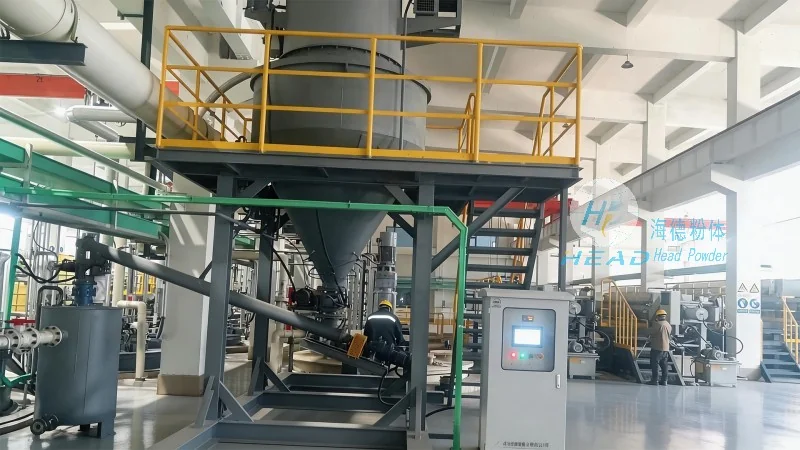
Factors to Consider When Choosing a System
When selecting between positive and negative pressure for graphene pneumatic conveying, several practical factors should be evaluated. The initial investment and operational costs are significant considerations. Positive pressure systems often require more powerful air compressors and higher maintenance for the pressure equipment, while negative pressure systems may need more extensive filtration and vacuum pumps. The environmental impact and safety requirements also play a role. Positive pressure systems are generally considered safer for handling hazardous materials like graphene, as they prevent external air from entering the system and contaminating the material. Negative pressure systems, however, may require additional measures to prevent dust emissions and ensure worker safety.
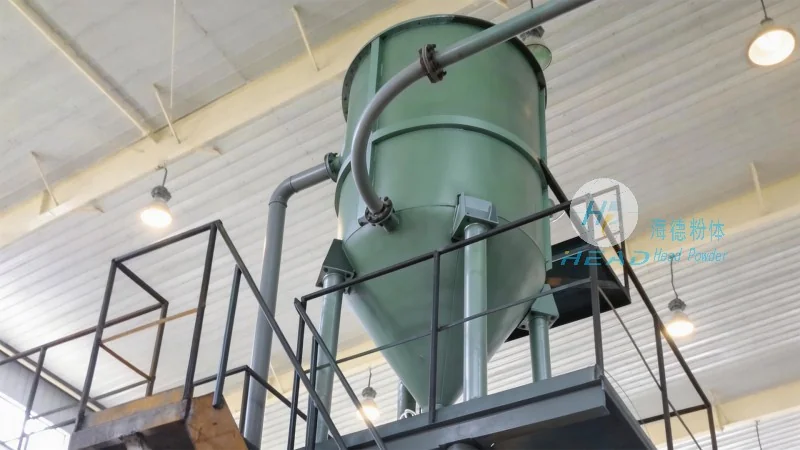
Application Examples in Graphene Handling
Real-world applications of positive and negative pressure systems in graphene processing illustrate their suitability for different scenarios. For example, a large-scale graphene production facility in China might use a positive pressure system to transport raw graphene from processing units to storage silos over a distance of several hundred meters, ensuring consistent material flow and preventing contamination. In contrast, a smaller research lab might employ a negative pressure system to transfer small batches of graphene from a lab-scale reactor to a testing station, where the shorter distance and lower material volumes make the vacuum approach more practical and cost-effective.
Conclusion
Choosing between positive pressure and negative pressure for graphene pneumatic conveying depends on a careful assessment of material properties, system requirements, and operational constraints. Positive pressure systems offer advantages in terms of flow control, material integrity, and safety for larger-scale operations, while negative pressure systems are more suitable for shorter distances and more delicate materials. By understanding the specific needs of the graphene handling process and evaluating the pros and cons of each system, businesses can select the most efficient and effective pneumatic conveying solution. As the demand for graphene continues to grow, the ability to choose the right conveying method will remain a key factor in optimizing production and ensuring the quality of graphene materials.