

Choosing Between Positive Pressure and Negative Pressure for Bulk Salt Conveying? How to Distinguish
Bulk material handling, especially for products like table salt, often relies on pneumatic conveying systems. The choice between positive pressure and negative pressure systems is a critical decision for manufacturers and process engineers. This article explores the key differences between these two approaches, focusing on their applications in salt handling, and provides insights into how to select the appropriate system for your operations.
Understanding Positive Pressure Conveying
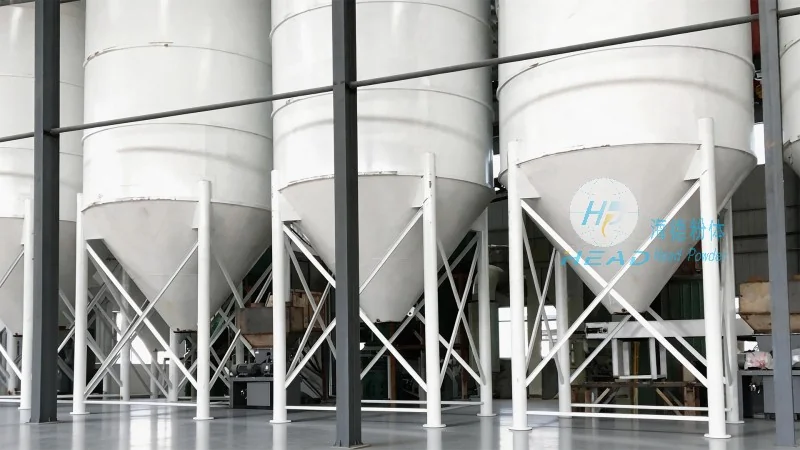
Positive pressure pneumatic conveying systems operate by blowing air or a gas mixture into the conveying line, creating a pressure higher than the ambient air pressure. This method is particularly effective for conveying dry, free-flowing materials like salt over moderate distances. The primary advantage of positive pressure systems is their ability to handle abrasive or corrosive materials without significant wear on the equipment. They are also suitable for applications requiring high conveying rates and long distances. In the context of salt processing, positive pressure systems can efficiently transport salt from storage silos to processing units, packaging lines, or storage facilities. The pressurized air ensures that the salt moves smoothly through the pipeline, minimizing blockages and ensuring consistent flow rates. This method is often preferred when the conveying distance is significant, as it can maintain the material's integrity and prevent contamination from external air.
Understanding Negative Pressure Conveying
Negative pressure, or vacuum, pneumatic conveying systems work by creating a vacuum in the conveying line, drawing material from the source into the system. This approach is typically used for shorter conveying distances and when the material is to be collected from a hopper or a container. The vacuum system pulls the salt into the pipeline, making it ideal for applications where the material needs to be transferred from a lower elevation or when the receiving point is at a lower pressure. One of the key benefits of negative pressure systems is their ability to handle materials that are more prone to dust generation or when the environment requires a closed system to prevent contamination. For salt handling, negative pressure systems are often used in smaller-scale operations or for transferring salt from a storage bin to a processing machine. The vacuum ensures that the salt is drawn into the line without the need for external pressure, which can be beneficial in environments where noise or air pressure fluctuations are concerns. However, negative pressure systems may have limitations in terms of conveying distance and material capacity compared to positive pressure systems.
Distinguishing Between Positive and Negative Pressure Systems
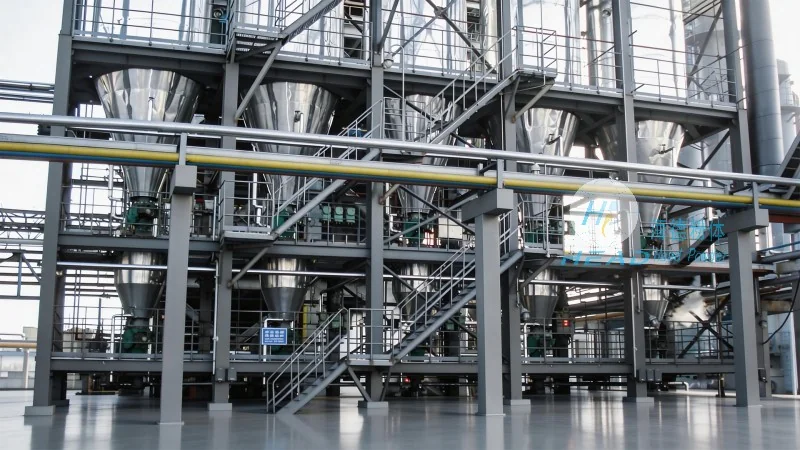
When deciding between positive and negative pressure for salt conveying, several factors must be considered. The first is the conveying distance: positive pressure systems are generally more suitable for longer distances, while negative pressure is better for shorter runs. The second is the material characteristics: if the salt is highly abrasive or has a tendency to create dust, a positive pressure system with robust components may be necessary. Conversely, if the operation involves collecting salt from a hopper and the environment requires a closed system, negative pressure might be the better choice. The third factor is the system's capacity and flow rate requirements. Positive pressure systems can handle higher volumes and maintain consistent flow rates over longer distances, which is essential for large-scale salt processing plants. Negative pressure systems, while effective for smaller operations, may not meet the high throughput demands of industrial salt processing. Additionally, the cost and maintenance considerations play a role. Positive pressure systems often require more powerful blowers and may have higher energy consumption, while negative pressure systems may need more robust vacuum pumps and filtration systems to handle dust and prevent system clogging.
Factors to Consider When Choosing a System for Salt Conveying
Choosing the right pneumatic conveying system for salt handling involves evaluating several technical and operational factors. The first consideration is the distance between the source and the destination. For example, if the salt needs to be transported from a silo located 500 meters away from the processing plant, a positive pressure system with a high-pressure blower is likely the most efficient option. Conversely, if the salt is to be transferred from a hopper to a nearby packaging machine within a 50-meter distance, a negative pressure system with a vacuum pump may suffice. The second factor is the material's flow characteristics. Salt is a free-flowing, non-abrasive material, but it can generate dust during handling. Therefore, the system must be designed to minimize dust emissions and ensure that the salt remains in a dry, consistent state. This may involve using appropriate filters and seals in both positive and negative pressure systems. The third factor is the system's scalability. For growing businesses, the chosen system should be able to accommodate increased production volumes without requiring significant modifications. Positive pressure systems are often more scalable, as they can be expanded by adding additional blower stages or increasing the pipeline diameter. Negative pressure systems may have limitations in terms of scalability, as the vacuum pump's capacity may need to be upgraded to handle higher material volumes.
Application Examples in Salt Processing
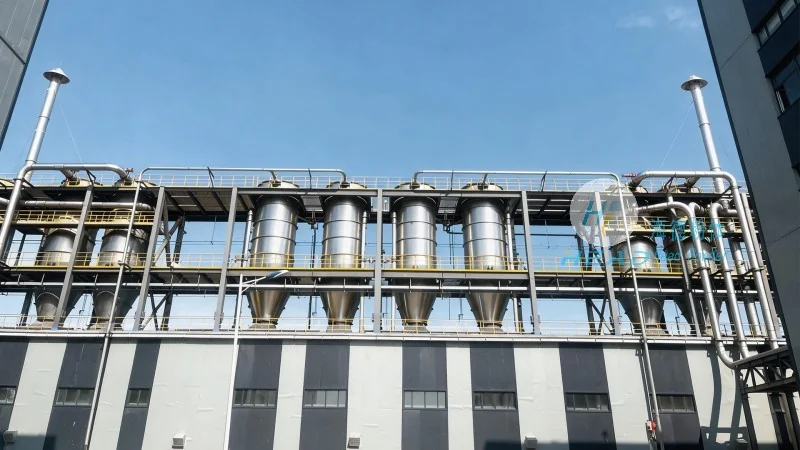
Let's look at some practical examples of how positive and negative pressure systems are used in salt processing. In a large-scale salt production facility, a positive pressure system might be used to transport salt from the storage silos to the grinding and packaging units. The system would consist of a high-pressure blower, a series of pipelines, and a dust collection system to ensure that the salt is conveyed efficiently and without contamination. The positive pressure ensures that the salt moves through the pipelines at a consistent rate, even over long distances, and that the material remains dry and free from external moisture or contaminants. On the other hand, in a smaller-scale salt processing plant, a negative pressure system might be used to transfer salt from a hopper to a weighing and packaging machine. The vacuum system would draw the salt from the hopper into the pipeline, ensuring that the material is collected without spillage or dust generation. This system is particularly useful in environments where noise and air pressure fluctuations are concerns, as the vacuum pump operates at lower speeds compared to high-pressure blowers.
Conclusion and Recommendations
When selecting between positive and negative pressure pneumatic conveying systems for salt handling, it is essential to consider the specific requirements of your operation. Positive pressure systems are generally more suitable for longer distances, higher material volumes, and applications where the material is abrasive or prone to dust generation. Negative pressure systems are better for shorter distances, smaller-scale operations, and when the environment requires a closed system to prevent contamination. By evaluating factors such as conveying distance, material characteristics, system capacity, and operational costs, you can make an informed decision that optimizes the efficiency and reliability of your salt handling process. For businesses in the salt industry, consulting with experts like Shandong HeadPowder Engineering Co., Ltd. can provide tailored solutions that meet your specific needs and ensure the long-term success of your operations.