

Choosing Between Positive Pressure and Negative Pressure for Sulfur Pellet Pneumatic Conveying: How
When it comes to transporting sulfur pellets, selecting the right pneumatic conveying system is crucial for efficiency, cost-effectiveness, and operational safety. The choice between positive pressure and negative pressure systems often presents a critical decision point for industrial facilities. This article explores the key differences between these two approaches, helping you understand how to make an informed choice for your sulfur pellet handling needs.
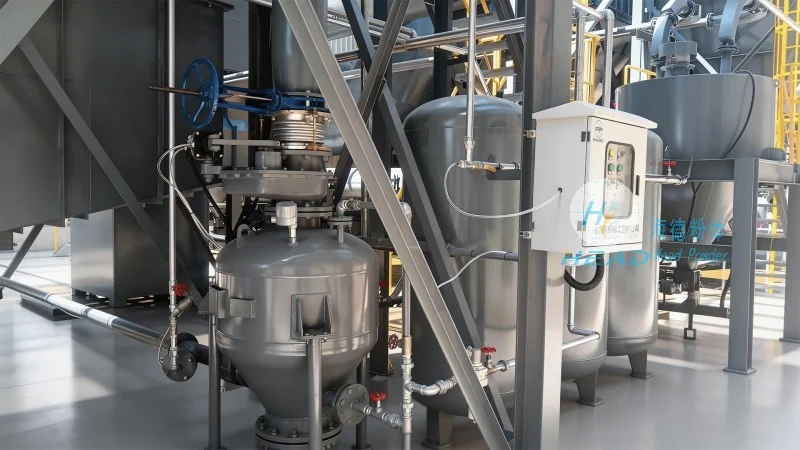
Understanding Positive Pressure and Negative Pressure Conveying
Positive pressure conveying systems operate by blowing air or a carrier gas into the conveying line, creating a pressure higher than the ambient air. This method pushes the material through the system, making it suitable for long-distance or high-capacity applications. Conversely, negative pressure systems draw material into the line using a vacuum, creating a pressure lower than the surrounding environment. This approach is often preferred for short-distance or low-volume transfers.
Key Factors to Consider When Choosing Between Positive and Negative Pressure Systems
Several factors influence the selection of a pneumatic conveying system for sulfur pellets. These include the distance between the source and destination, the volume of material to be moved, the nature of the material (e.g., dustiness, abrasiveness), and the available space for system installation. Additionally, the cost of equipment, energy consumption, and maintenance requirements are critical considerations that can sway the decision toward one system over the other.
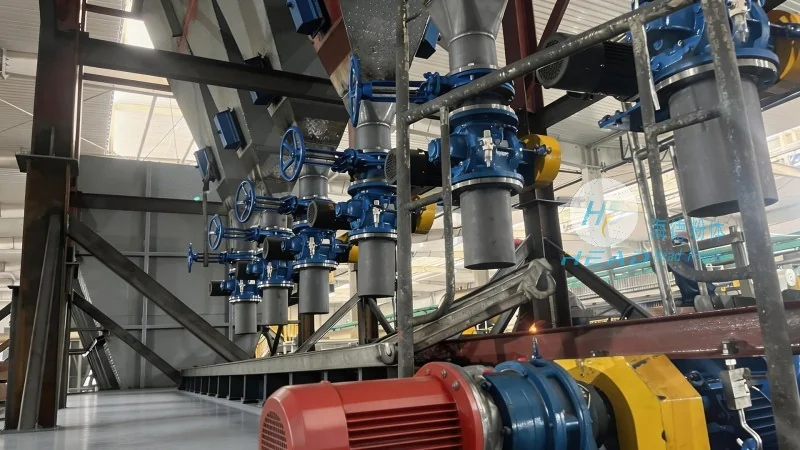
Distinguishing Features of Positive Pressure Pneumatic Conveying
Positive pressure systems typically employ high-pressure blowers such as rotary lobe or centrifugal compressors to generate the necessary airflow. These units are capable of delivering consistent pressure and volume, ensuring reliable material transport over long distances. The system's design often includes a series of ducts, valves, and filters to maintain material flow and prevent blockages. For sulfur pellets, which can be abrasive and prone to dust generation, the positive pressure helps keep the material in suspension, reducing wear on equipment and minimizing dust emissions.
Distinguishing Features of Negative Pressure Pneumatic Conveying
Negative pressure systems utilize vacuum pumps, commonly including water ring or rotary vane types, to create the suction required for material intake. The vacuum is applied at the receiving end of the system, drawing material from the source into the conveying line. This approach is particularly effective for short-distance transfers, such as moving sulfur pellets from a storage silo to a processing unit. The compact nature of negative pressure systems makes them suitable for facilities with limited space, as they require less ductwork and installation area.
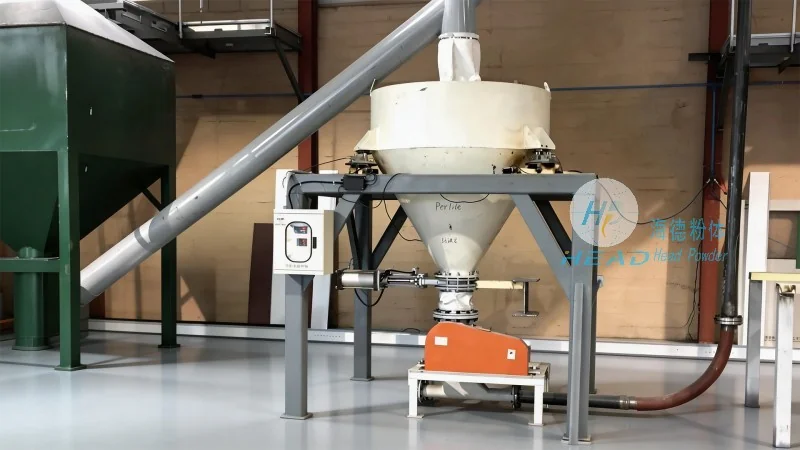
Practical Considerations for Sulfur Pellet Handling with Pneumatic Conveying
For sulfur pellet applications, the choice between positive and negative pressure systems should align with the specific operational requirements of the facility. Positive pressure systems are often preferred for large-scale, long-distance conveying where high throughput is required. Negative pressure systems may be more suitable for smaller-scale operations or where space constraints are a primary concern. It is also essential to consider the environmental impact of each system, as positive pressure systems may generate more noise and air emissions compared to their negative pressure counterparts. Additionally, energy consumption is a significant factor; positive pressure systems typically consume more energy due to the continuous operation of high-pressure blowers, while negative pressure systems are more energy-efficient but may require additional sealing to prevent air leaks.
Conclusion
Ultimately, the decision between positive pressure and negative pressure pneumatic conveying for sulfur pellets depends on a careful evaluation of operational needs, material characteristics, and cost implications. By understanding the distinguishing features and practical considerations of each system, you can select the most appropriate solution for your industrial requirements. Whether you opt for positive or negative pressure, ensuring proper system design and maintenance will help maximize efficiency and minimize downtime in sulfur pellet handling operations. As a leading provider of engineering solutions for material handling, Shandong HeadPowder Engineering Co., Ltd. (headpowder) specializes in designing and implementing pneumatic conveying systems tailored to the unique needs of industrial clients. With decades of experience in the field, headpowder has developed expertise in handling challenging materials like sulfur pellets, offering customized solutions that enhance operational efficiency and safety.