

Choosing Between Positive Pressure and Negative Pressure for Desulfurizer Pneumatic Conveying: How t
When it comes to the pneumatic conveying of desulfurizers, selecting the right pressure system is crucial for efficiency, safety, and operational costs. Two primary options exist: positive pressure and negative pressure systems. Understanding the differences between these two approaches is essential for making an informed decision that aligns with your specific industrial needs. This article will explore the characteristics, advantages, and key factors to consider when choosing between positive pressure and negative pressure for desulfurizer pneumatic conveying, helping you distinguish the most suitable method for your application.
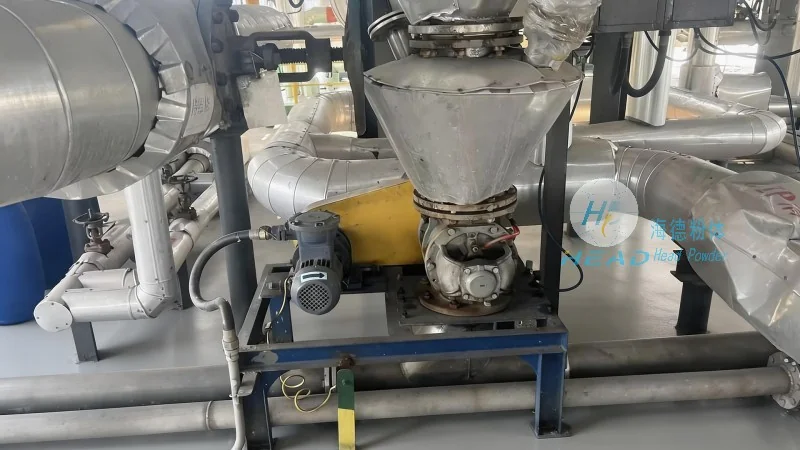
Understanding Pneumatic Conveying Systems
Pneumatic conveying is a method of transporting bulk materials, such as desulfurizers, through a pipeline using air or gas as the conveying medium. The system can be categorized into two main types based on the pressure differential between the conveying line and the surrounding environment: positive pressure and negative pressure systems. Each system has distinct operational principles and applications, which we will delve into below.

Positive Pressure Pneumatic Conveying
Positive pressure systems operate by forcing air or gas into the conveying line at a pressure higher than the ambient air pressure. This method pushes the material through the pipeline, ensuring a continuous and reliable flow. The primary advantages of positive pressure systems include high conveying capacity, the ability to handle abrasive or corrosive materials without damage to the equipment, and the flexibility to transport materials over long distances or through complex piping networks. Additionally, positive pressure systems are generally easier to maintain and can be integrated with existing industrial infrastructure. However, they may require more robust equipment and higher energy consumption compared to negative pressure systems.
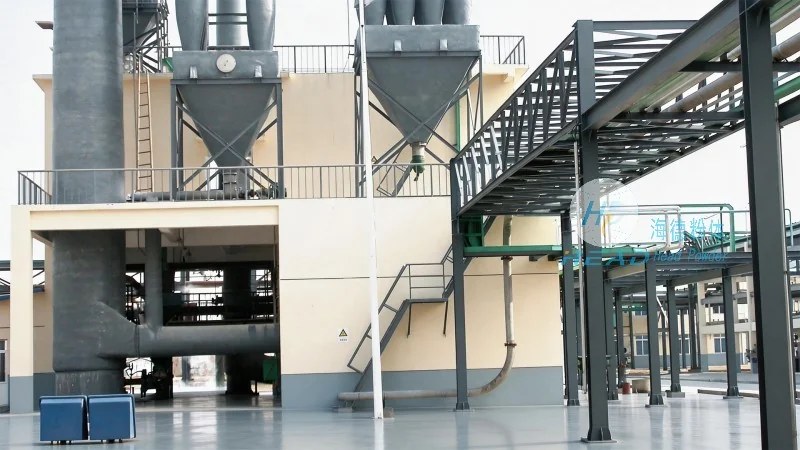
Negative Pressure Pneumatic Conveying
Negative pressure systems, also known as suction systems, work by creating a vacuum in the conveying line, which draws the material from the source into the pipeline. The material is then transported to the destination under the pressure difference. The key benefits of negative pressure systems include lower energy consumption, reduced noise levels, and the ability to handle materials that are sensitive to pressure or temperature changes. These systems are often preferred for applications where the material is being transported from a high point to a lower point, as the vacuum helps in pulling the material down. However, negative pressure systems may have limitations in terms of conveying distance and material capacity, and they require careful maintenance to prevent dust leakage and system inefficiencies.
Distinguishing Between Positive and Negative Pressure Systems
How can you determine which system is best for your desulfurizer pneumatic conveying needs? Several factors should be considered when making this decision:
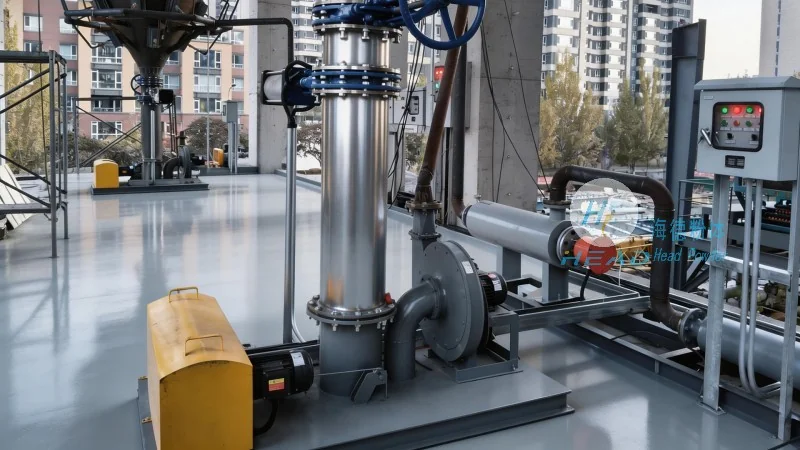
- Material Properties: The physical and chemical characteristics of the desulfurizer, such as particle size, moisture content, and abrasiveness, play a significant role. For example, if the material is highly abrasive or corrosive, a positive pressure system with durable components may be more suitable. Conversely, if the material is sensitive to pressure or contains fine particles that could cause clogging, a negative pressure system might be preferable.
- Conveying Distance and Layout: The distance and complexity of the pipeline layout are critical. Positive pressure systems are generally more effective for long-distance or complex routing, as they can maintain consistent pressure and flow. Negative pressure systems are better suited for shorter distances or when the material needs to be transported from a higher elevation to a lower one.
- Environmental and Safety Considerations: The impact on the surrounding environment and workplace safety is an important factor. Positive pressure systems may require additional filtration and dust control measures to prevent air pollution. Negative pressure systems, while quieter, may still pose risks if not properly sealed. Both systems must comply with relevant safety regulations to ensure worker protection.
- Energy Efficiency and Operating Costs: The energy consumption and long-term operating costs of each system should be evaluated. Positive pressure systems typically consume more energy due to the need to generate higher pressure, whereas negative pressure systems are more energy-efficient. However, the initial investment and maintenance costs may differ, and a comprehensive cost-benefit analysis is recommended.
Conclusion
Choosing between positive pressure and negative pressure for desulfurizer pneumatic conveying requires a thorough assessment of your specific requirements. Positive pressure systems offer high capacity and reliability for demanding applications, while negative pressure systems provide energy efficiency and gentler handling for sensitive materials. By considering factors such as material properties, conveying distance, environmental impact, and operational costs, you can select the most appropriate system for your industrial needs. Shandong HeadPowder Engineering Co., Ltd., a leading provider in the field, offers expert guidance and customized solutions to help you implement the optimal pneumatic conveying system for your desulfurizer handling processes.