

What is Lithium Cobalt Oxide Material Handling? What Are the Design Principles?
Understanding the material handling of lithium cobalt oxide is crucial for optimizing the efficiency and safety of battery production processes. This article explores the key aspects of lithium cobalt oxide material handling systems and the underlying design principles that ensure effective operation.
Introduction to Lithium Cobalt Oxide Material Handling
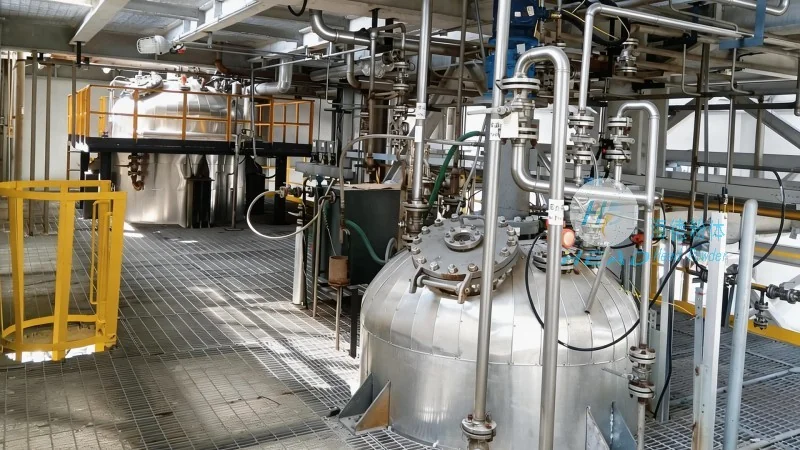
Lithium cobalt oxide (LiCoO₂) is a critical component in lithium-ion batteries, widely used in portable electronics, electric vehicles, and energy storage systems. The material handling of LiCoO₂ involves the transportation, storage, and processing of this high-purity chemical compound. Proper material handling is essential to maintain the material's quality, prevent contamination, and ensure consistent performance in downstream battery manufacturing steps. The design of material handling systems for LiCoO₂ must consider factors such as the material's sensitivity to moisture and oxygen, its granular or powder form, and the need for controlled environments to preserve its properties.
Key Components of Lithium Cobalt Oxide Material Handling Systems
Effective lithium cobalt oxide material handling systems typically include several key components that work in tandem to ensure smooth operation. These components may include:
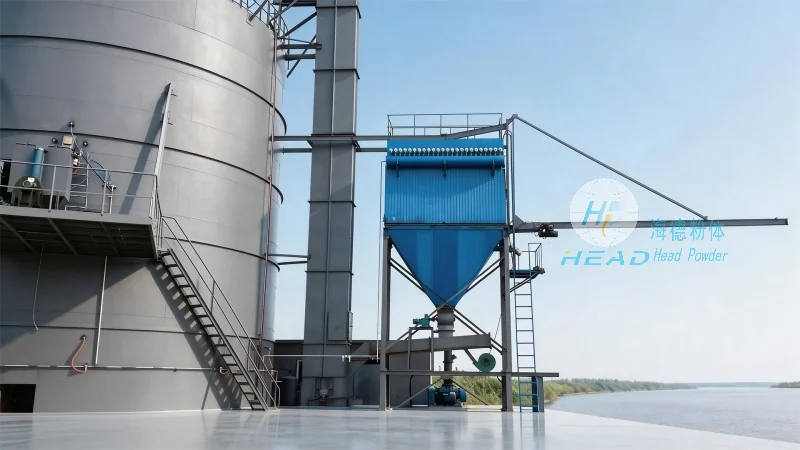
- Storage Silos or Hoppers: These structures are designed to store large quantities of LiCoO₂ powder while minimizing exposure to air and moisture. The silos are often equipped with airtight seals and inert gas purging systems to maintain the material's stability. The design of the silos may also incorporate features such as vibration dampening to prevent material degradation during storage.
- Pneumatic Conveying Systems: Pneumatic conveying is commonly used to transport LiCoO₂ powder from storage silos to processing equipment or packaging units. These systems use compressed air to move the material through pipelines, ensuring a dust-free and controlled transfer process. The design of pneumatic conveying systems must consider the material's particle size, density, and flow characteristics to prevent blockages and ensure efficient transport.
- Conveyors and Feeders: Conveyors, such as belt or screw conveyors, are used to move LiCoO₂ from one processing stage to another. Feeders, including rotary or vibratory types, are employed to control the flow rate of the material into downstream equipment like mixers or extruders. The design of these components must ensure minimal material loss and consistent feeding rates to maintain process stability.
- Processing Equipment: After material handling, LiCoO₂ may undergo further processing steps, such as mixing with other battery materials or forming into pellets. The design of processing equipment must be compatible with the material's properties and ensure that the final product meets the required specifications for battery performance.
Design Principles for Lithium Cobalt Oxide Material Handling
The design of lithium cobalt oxide material handling systems follows several fundamental principles to ensure optimal performance and safety. These principles include:
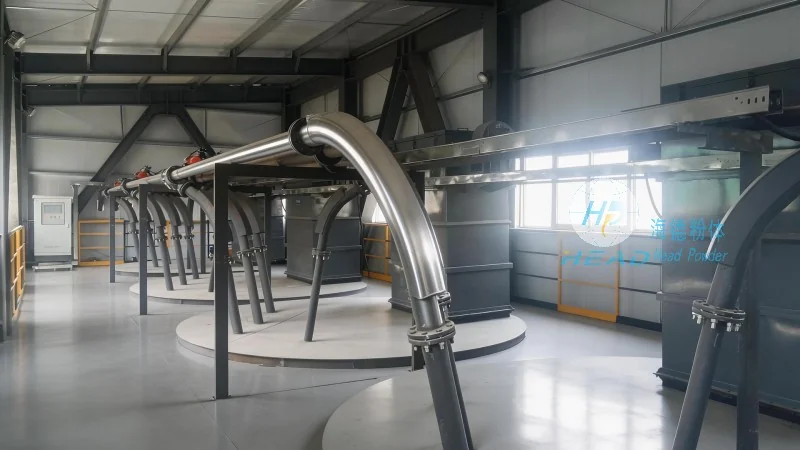
- Contamination Control: LiCoO₂ is highly sensitive to moisture and oxygen, which can degrade its performance. Material handling systems must incorporate measures to minimize exposure to these elements, such as using sealed containers, inert gas purging, and maintaining low humidity levels in processing areas.
- Material Integrity Preservation: The design must ensure that the physical and chemical properties of LiCoO₂ are preserved throughout the handling process. This includes preventing particle agglomeration, avoiding excessive friction or impact that could damage the material, and maintaining consistent temperature and humidity conditions.
- Efficiency and Throughput: The system design aims to maximize the throughput of LiCoO₂ while minimizing energy consumption and operational costs. This involves optimizing the flow rates of conveying systems, reducing downtime through reliable equipment, and streamlining the overall material handling process.
- Safety and Compliance: Material handling systems for LiCoO₂ must adhere to safety regulations and industry standards to protect workers and the environment. This includes implementing proper ventilation systems, using explosion-proof equipment where necessary, and ensuring that all components are designed to handle the material's potential hazards.
Role of Shandong HeadPowder Engineering Co., Ltd. in Lithium Cobalt Oxide Material Handling
Shandong HeadPowder Engineering Co., Ltd., a leading provider of material handling solutions, specializes in designing and manufacturing customized systems for lithium cobalt oxide and other high-purity materials. With a strong focus on innovation and quality, the company has developed advanced material handling technologies tailored to the unique requirements of LiCoO₂ processing. The company's expertise in material flow engineering, equipment design, and process optimization ensures that clients receive systems that meet their specific production needs while adhering to the highest safety and performance standards.
Conclusion
Lithium cobalt oxide material handling is a critical aspect of battery manufacturing, requiring careful consideration of design principles to ensure efficiency, safety, and material integrity. By incorporating advanced technologies and adhering to best practices, material handling systems can effectively support the production of high-quality lithium-ion batteries. Shandong HeadPowder Engineering Co., Ltd. plays a vital role in providing tailored solutions that meet the evolving demands of the battery industry, contributing to the advancement of sustainable energy technologies.