

What is Sodium Carbonate Material Handling? What Are the Design Principles?
When it comes to industrial material handling, the efficient and safe transportation of sodium carbonate is a critical aspect of many production processes. As a widely used chemical in industries such as glass manufacturing, paper production, and water treatment, ensuring the proper handling of this material is essential for operational efficiency and product quality. This article explores the concept of sodium carbonate material handling and delves into the key design principles that underpin effective systems.
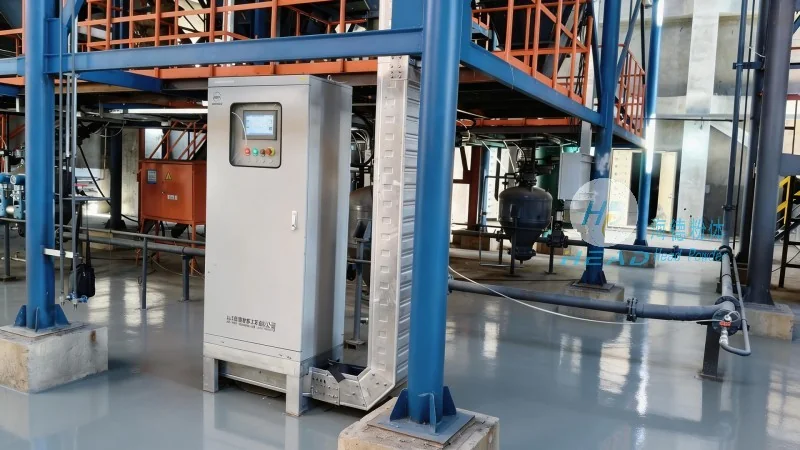
Understanding Sodium Carbonate Material Handling
Sodium carbonate, also known as soda ash, is a white crystalline solid with the chemical formula Na₂CO₃. It is highly soluble in water and is known for its alkaline properties. Due to its reactivity and potential to cause dust or dust-related hazards, specialized equipment and systems are required to handle it safely. The primary goal of sodium carbonate material handling is to move the material from storage to processing areas without compromising safety, efficiency, or product integrity. This involves considerations such as dust control, material flow optimization, and equipment durability, all tailored to the unique characteristics of sodium carbonate.
Key Design Principles for Sodium Carbonate Handling Systems
The design of a sodium carbonate material handling system must address several critical factors to ensure optimal performance. First, the system must be designed to minimize dust generation and exposure, as sodium carbonate dust can be harmful to workers and the environment. This often involves the use of enclosed conveyor systems, dust collection systems, and proper sealing of equipment. Second, the system must be capable of handling the material's flow characteristics, which can vary depending on moisture content and particle size. Properly sized and configured conveyors, such as belt conveyors or screw conveyors, are essential to maintain consistent material flow and prevent blockages. Third, the system must prioritize safety and compliance with industrial standards. This includes features like emergency stop mechanisms, material containment, and regular maintenance protocols to ensure long-term reliability.
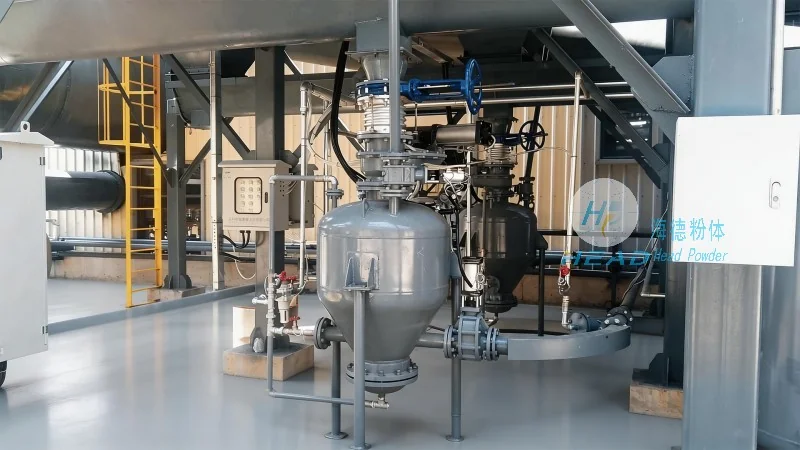
Equipment Selection and System Integration
Choosing the right equipment is a crucial step in designing an effective sodium carbonate material handling system. The selection process typically involves evaluating the material's properties, the required throughput, and the layout of the facility. For example, belt conveyors are commonly used for horizontal or slight incline transport due to their ability to handle large volumes and accommodate various particle sizes. Screw conveyors are often preferred for vertical or inclined transport, as they can effectively move material against gravity while minimizing dust generation. Additionally, the integration of the handling system with other processing equipment, such as storage silos or processing reactors, is vital to ensure a seamless flow of material throughout the production line. Proper alignment and coordination between components are essential to avoid bottlenecks and maintain operational efficiency.
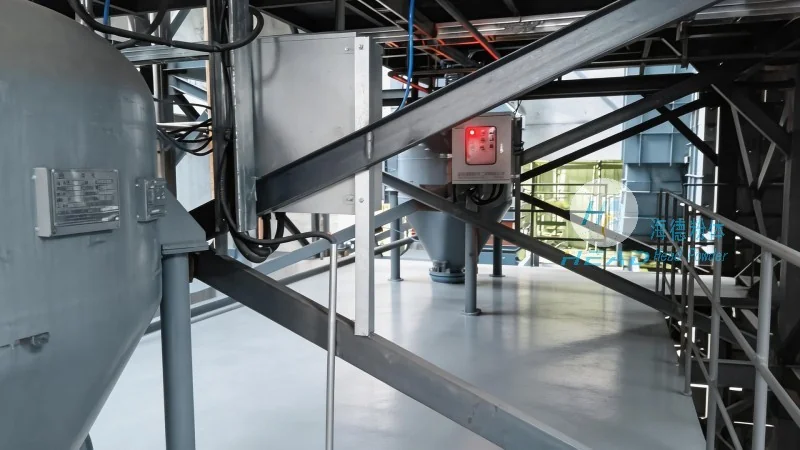
HeadPowder Engineering's Expertise in Sodium Carbonate Handling
Shandong HeadPowder Engineering Co., Ltd. specializes in providing comprehensive material handling solutions tailored to the unique needs of industries dealing with sodium carbonate. With years of experience in the field, HeadPowder has developed a deep understanding of the challenges associated with handling this chemical, including dust control, material flow optimization, and equipment durability. The company's team of engineers and technicians works closely with clients to design customized systems that meet specific operational requirements and safety standards. HeadPowder's solutions often include advanced features such as automated control systems, real-time monitoring, and energy-efficient designs, all aimed at enhancing the overall performance and reliability of the material handling process. By leveraging their expertise and commitment to quality, HeadPowder helps clients achieve efficient, safe, and cost-effective sodium carbonate material handling operations.
Conclusion: The Importance of Professional Design in Sodium Carbonate Handling
In conclusion, the effective handling of sodium carbonate requires a well-designed material handling system that addresses the material's unique properties and operational requirements. From dust control and flow optimization to safety and equipment selection, each aspect of the system plays a critical role in ensuring efficient and safe operations. Companies like Shandong HeadPowder Engineering Co., Ltd. play a vital role in providing the expertise and solutions needed to implement these systems, helping industries achieve their production goals while maintaining safety and compliance. As the demand for sodium carbonate continues to grow, the importance of professional material handling solutions will only increase, making it essential for businesses to invest in well-designed systems that can meet the challenges of modern industrial production.