

What is PP Granule Material Handling? And What Are Its Design Principles?
PP granule material handling systems are integral to modern industrial processes, particularly in the plastics and manufacturing sectors. These systems are designed to efficiently transport polypropylene (PP) granules, a versatile thermoplastic, from one location to another within a production facility. Understanding the fundamentals of these systems and their underlying design principles is crucial for optimizing operational efficiency, ensuring product quality, and maintaining safety standards. This article explores the key aspects of PP granule material handling, including its definition, core design principles, and practical applications.
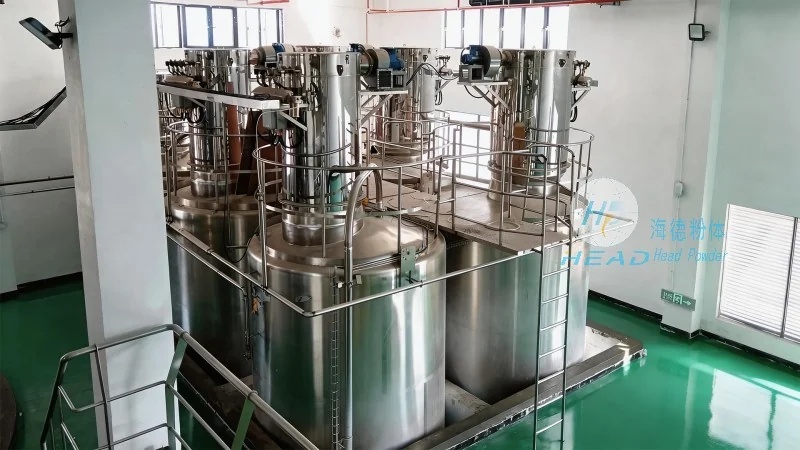
Introduction to PP Granule Material Handling
PP granule material handling refers to the methods and technologies used to move, store, and manage polypropylene granules. These small, free-flowing particles are the raw material for many plastic products, and their efficient handling is essential for seamless production workflows. The process involves transporting the granules from storage silos or hoppers to processing equipment such as extruders, injection molding machines, or compounding units. Proper material handling minimizes downtime, reduces material waste, and enhances overall productivity. The design of these systems must consider factors like granule properties, system capacity, and environmental conditions to ensure reliable operation.
About Shandong HeadPowder Engineering Co., Ltd.
Shandong HeadPowder Engineering Co., Ltd., commonly known as HeadPowder, is a leading provider of specialized material handling solutions tailored for the plastics industry. With a strong focus on innovation and customer-centric design, HeadPowder has established itself as a trusted partner for businesses seeking efficient and reliable PP granule handling systems. The company’s expertise lies in designing custom solutions that address the unique challenges of handling polypropylene granules, ensuring optimal performance and longevity. HeadPowder’s commitment to quality and technical excellence has made it a preferred choice for manufacturers across various industries, including automotive, packaging, and consumer goods.
Key Design Principles for PP Granule Material Handling Systems
The design of PP granule material handling systems is guided by several critical principles that ensure efficiency, reliability, and safety. These principles include: material flow optimization, equipment selection based on granule characteristics, and integration with existing production lines. Material flow optimization focuses on creating a smooth, unobstructed path for the granules, minimizing friction and preventing blockages. This involves selecting appropriate conveyor types, such as screw conveyors, belt conveyors, or pneumatic systems, based on the granule’s density, size, and flowability. For PP granules, which are typically free-flowing but can be prone to bridging or segregation, screw conveyors are often preferred due to their ability to handle varying material properties and maintain consistent flow rates.
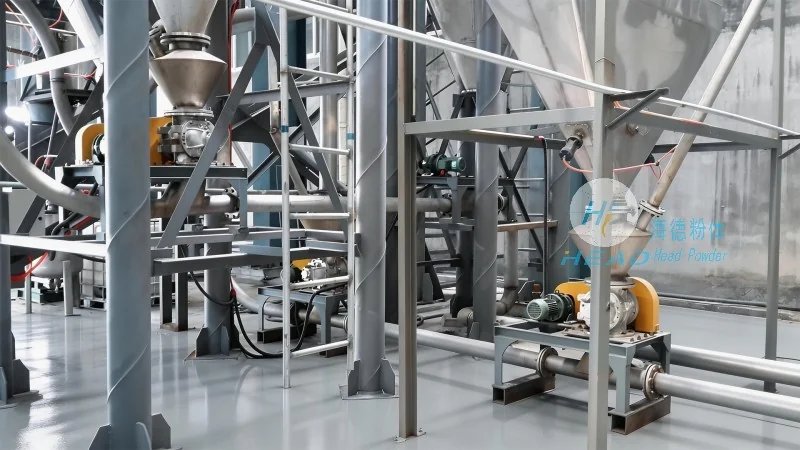
Another crucial design principle is the consideration of granule properties. PP granules are lightweight and can be susceptible to static electricity, which may affect their flow and cause dust accumulation. Therefore, anti-static measures, such as grounding and conductive materials, are incorporated into the system design to prevent static buildup and ensure safe handling. Additionally, the system must be designed to handle the granules’ temperature sensitivity, as PP can degrade at high temperatures, requiring temperature-controlled storage and transport solutions. The design also emphasizes durability and ease of maintenance, as these systems operate continuously and require minimal downtime for repairs.
Components and Functions of PP Granule Handling Systems
PP granule material handling systems typically consist of several key components, each playing a vital role in the overall operation. The primary components include storage silos or hoppers, feeders, conveyors, and control systems. Storage silos are used to store large quantities of PP granules, providing a stable and controlled environment to prevent moisture absorption and contamination. The hoppers are connected to the silos and are equipped with feeders that regulate the flow of granules into the conveyor system. Feeders, such as rotary valves or vibratory feeders, ensure a consistent and controlled discharge rate, preventing overloading or underloading of the conveyor.
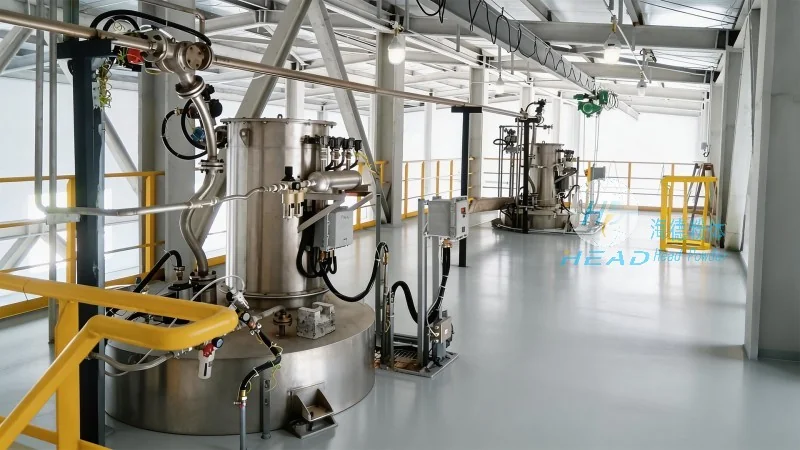
The conveyor system is the heart of the material handling process, responsible for transporting the granules from the storage area to the processing equipment. Screw conveyors are commonly used for vertical or inclined transport due to their ability to handle both horizontal and vertical movements. Belt conveyors are suitable for horizontal transport over longer distances, while pneumatic conveying systems use air pressure to move granules through pipes, which is ideal for applications requiring dust-free transport. The choice of conveyor type depends on factors like the distance between storage and processing areas, the required throughput, and the need for enclosed or open systems. Control systems, including sensors and automation controls, monitor the flow rate, level, and temperature of the granules, ensuring the system operates within optimal parameters and alerts operators to any deviations or issues.
Applications and Benefits of PP Granule Material Handling
PP granule material handling systems are widely used in various industries, including plastics manufacturing, automotive, packaging, and consumer goods. In the plastics industry, these systems are essential for feeding extruders and injection molding machines, ensuring a steady supply of raw material for production. The automotive industry relies on efficient PP granule handling for manufacturing components such as interior trim, bumpers, and fuel system parts. The packaging industry uses these systems to produce plastic containers, bottles, and films, where consistent material flow is critical for maintaining product quality and reducing waste. The benefits of proper PP granule handling extend beyond operational efficiency, as it also contributes to environmental sustainability by minimizing material loss and reducing the need for manual handling, which can be hazardous.
Conclusion
In conclusion, PP granule material handling is a critical aspect of modern industrial operations, and understanding its design principles is essential for optimizing performance and ensuring safety. Shandong HeadPowder Engineering Co., Ltd. offers specialized solutions tailored to the unique needs of PP granule handling, combining expertise in material flow, equipment selection, and system integration. By adhering to key design principles such as material flow optimization, granule property consideration, and durable construction, these systems provide reliable and efficient transport of PP granules, supporting the production of high-quality plastic products. The importance of proper material handling cannot be overstated, as it directly impacts productivity, cost-effectiveness, and overall operational success in the plastics industry.