

What is Frac Sand Material Handling? What Are the Design Principles?
Understanding the processes and principles behind frac sand material handling is crucial for optimizing operations in the oil and gas industry. This article delves into the key aspects of frac sand handling systems, focusing on the design principles that ensure efficiency, safety, and reliability in transporting and managing this critical proppant material.
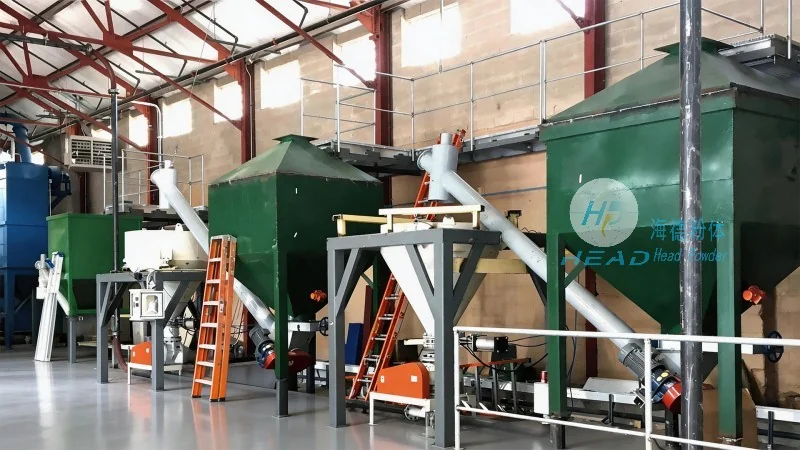
What is Frac Sand Material Handling?
Frac sand material handling refers to the comprehensive process of transporting, storing, and distributing frac sand—a high-quality silica sand used as a proppant in hydraulic fracturing operations. The primary goal of these systems is to move frac sand from storage facilities to the well site efficiently, while maintaining its integrity and ensuring it remains free from contamination. This involves a series of equipment and processes designed to handle the abrasive and high-volume nature of frac sand.
The Role of Frac Sand in Hydraulic Fracturing
Before exploring the handling systems, it's essential to understand the importance of frac sand in hydraulic fracturing. Frac sand acts as a proppant, holding open the fractures created during the fracturing process, which allows for increased oil and gas production. The quality and consistency of frac sand are critical, as any degradation or contamination can reduce its effectiveness and impact the overall success of the fracturing operation. Therefore, the material handling process must prioritize preserving the sand's properties throughout its journey from the mine to the well site.
Key Design Principles for Frac Sand Handling Systems
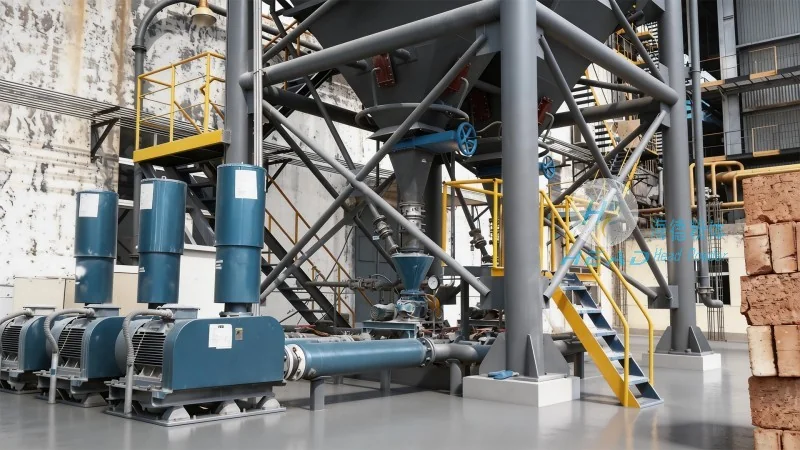
The design of frac sand handling systems is guided by several fundamental principles aimed at maximizing efficiency and minimizing risks. These principles include:
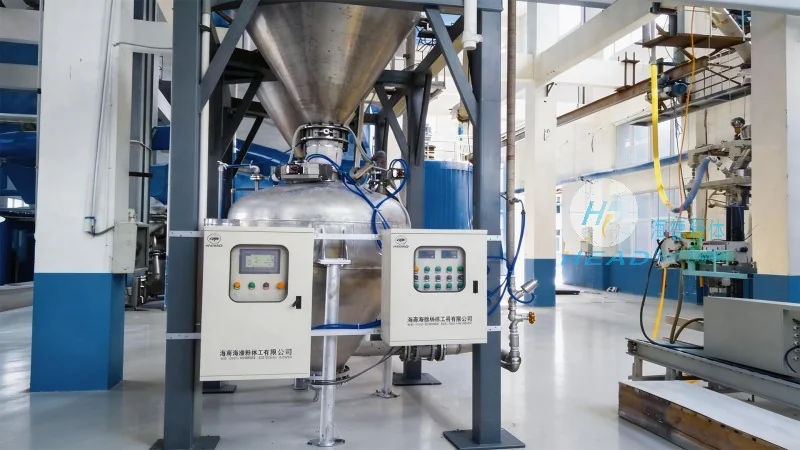
- Material Compatibility: Ensuring that all equipment and materials used in the handling process are compatible with frac sand to prevent wear, corrosion, or contamination. This involves selecting materials like stainless steel, abrasion-resistant alloys, and specialized coatings for components such as hoppers, conveyors, and pipelines.
- Flow Optimization: Designing systems to maintain consistent and controlled flow rates of frac sand. This includes using appropriate hopper designs, conveyor systems, and pneumatic or hydraulic transport methods to avoid blockages, segregation, or uneven distribution of the sand.
- Space Efficiency: Optimizing the layout and space utilization of handling facilities to accommodate high-volume operations while minimizing footprint. This is particularly important in well sites where space is limited, and efficient use of area is essential for smooth workflow.
- Safety and Environmental Compliance: Incorporating safety features and adhering to environmental regulations to protect workers and the environment. This includes proper dust control measures, containment systems, and equipment that reduces the risk of accidents or spills.
Components of a Typical Frac Sand Handling System
A typical frac sand handling system consists of several interconnected components, each playing a vital role in the overall process. These components include:

- Storage Silos: Large, vertical or horizontal silos used to store frac sand in bulk. These silos are designed to hold large quantities of sand and are equipped with feeding mechanisms to control the flow of sand into downstream equipment.
- Hoppers and Feeders: Hoppers are used to collect sand from storage silos and direct it into conveyors or transport systems. Feeders, such as rotary or vibratory types, ensure a consistent and controlled flow of sand, preventing overloading or underloading of downstream equipment.
- Conveyors: Conveyors, including belt, screw, or pneumatic types, are used to transport frac sand horizontally or vertically over long distances. Belt conveyors are commonly used for bulk material handling due to their high capacity and durability, while pneumatic conveyors are suitable for shorter distances or when dust control is a priority.
- Pipelines and Valves: For long-distance transport, pipelines are used to move frac sand under pressure. Valves and control systems regulate the flow of sand through the pipelines, ensuring smooth operation and preventing backflow or blockages.
- Dust Control Systems: Given that frac sand is a fine, abrasive material, dust control is a critical component of any handling system. These systems include dust collectors, filters, and ventilation equipment to minimize airborne dust, protect workers, and comply with environmental regulations.
Design Considerations for Different Handling Scenarios
The design of frac sand handling systems varies depending on the specific application and operational requirements. For example:
- On-Site Handling: Systems designed for well sites typically require compact, mobile, or modular components to accommodate the dynamic nature of well operations. These systems may include portable silos, compact conveyors, and integrated dust control units.
- Off-Site Processing: For larger-scale operations, such as frac sand processing plants, the design focuses on high throughput and efficiency. These systems may include multiple storage silos, advanced feeding and conveying equipment, and integrated processing lines to prepare the sand for transport to well sites.
- Transportation: When transporting frac sand from the mine to the processing plant or well site, specialized trucks or railcars are used. The design of loading and unloading systems for these vehicles is critical to ensure safe and efficient transfer of the sand.
Conclusion
Effective frac sand material handling is a complex process that requires careful consideration of design principles, equipment selection, and operational efficiency. By adhering to the key principles of material compatibility, flow optimization, space efficiency, and safety, companies can ensure that frac sand is handled effectively, preserving its quality and supporting successful hydraulic fracturing operations. The expertise of companies like Shandong HeadPowder Engineering Co., Ltd. in designing and implementing these systems plays a vital role in optimizing frac sand handling processes across the oil and gas industry.